2026 Best Aerial Lifts for Global Buyers?
Choosing the 2026 best Aerial Lifts requires more than comparing maximum height and headline prices. Global buyers face uneven ground, narrow access roads, harsh weather, different power systems, and changing project schedules. A lift that performs well on a European warehouse floor may struggle on a remote construction site in Southeast Asia or Africa. Context matters.
IPAF’s former CEO Tim Whiteman captured the central principle: “The safest way to work at height is from the ground.” That reminder should guide every purchase decision. Buyers need to examine working height, horizontal outreach, platform capacity, turning radius, ground pressure, battery performance, and emergency-lowering systems. Operator training matters just as much. So do local service networks, spare-parts availability, and documented inspection procedures.
The strongest Aerial Lifts are not always the largest machines. Sometimes, a compact electric scissor lift is the smarter choice for indoor maintenance. A rough-terrain boom lift may be better for uneven ground, steel erection, or exterior cladding. Hybrid and low-emission models can reduce noise and fuel use, but their charging requirements deserve honest attention. They are not perfect.
This guide compares leading lift categories for international buyers. It considers practical performance, ownership costs, safety features, regional support, and application fit. Specifications can mislead. Real work exposes weaknesses. A reliable decision balances technical data with operator experience, site conditions, and long-term maintenance evidence.
Aerial Lift Types and Their Best Use Cases in 2026
2026 Best Aerial Lifts for Global Buyers?
Aerial Lift Types and Their Best Use Cases in 2026
Choosing an aerial lift in 2026 starts with the worksite, not the machine’s brochure. Scissor lifts suit level floors, warehouses, and indoor maintenance. Their wide platforms provide useful space for tools and materials. Electric models usually reduce indoor noise and exhaust concerns. Keep it simple.
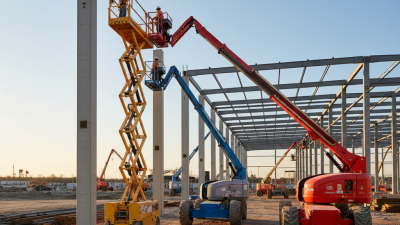
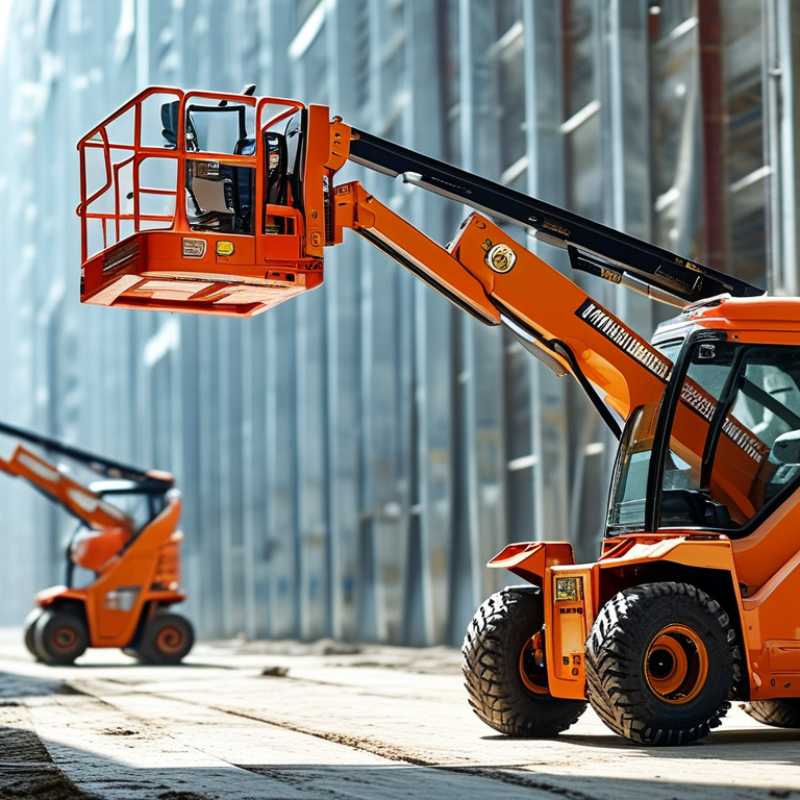
Boom lifts serve tasks requiring horizontal reach or access above obstacles. Articulated booms work well around steel frames, trees, and irregular building facades. Telescopic booms provide longer, straighter reach on construction sites. However, greater reach can reduce stability when wind increases. I would never judge capacity by height alone.
Vertical mast lifts fit narrow aisles, retail repairs, and light-duty facility work. Truck-mounted lifts help service teams move between distant locations quickly. Rough-terrain lifts are better for uneven ground, but buyers should inspect traction, ground clearance, and outrigger control. A machine designed for dry soil may perform poorly after heavy rain. That detail is often missed.
Global buyers should verify platform height, rated load, battery or fuel support, spare-part access, and emergency lowering systems. Operator training remains essential, even with modern controls and sensors. Check regional certification requirements before ordering. Specifications can look impressive. Site reality is less polite. A careful inspection, realistic load test, and maintenance plan usually matter more than a low purchase price. Some buyers still choose excessive capacity, creating unnecessary transport and service costs. A better decision matches the lift to daily tasks, local terrain, climate, and available technicians.
Global Buying Factors: Compliance, Cost, and After-Sales Support
For global buyers, the best aerial lift is not always the tallest or cheapest. Compliance should guide the shortlist. Check platform load ratings, emergency lowering, guarding, alarms, and local inspection rules before requesting a quote. A lift approved in one market may need additional testing elsewhere. Ask for technical files, manuals, certificates, and factory inspection records. Experienced procurement teams know small document gaps can delay customs clearance or site approval. A translated manual may also omit a critical operating limit.
Purchase price is only one line in the budget. Calculate shipping, customs, power requirements, operator training, spare parts, scheduled servicing, and downtime. Electric models may reduce indoor emissions, but battery replacement and charging infrastructure still affect ownership costs. Compare a five-year estimate, not a promotional quote. The estimate will be imperfect. That is normal. Leave room for currency changes, port delays, and regional labor rates. After-sales support can decide whether equipment earns money or sits idle. Require response times, remote diagnostics, parts availability, and technician coverage in writing. Ask how warranty claims are documented and who handles them.
Tips: Use a compliance checklist for every supplier. Request parts lead times in days, not vague promises. Inspect service records from similar climates and job sites. A warm, dusty project can expose weaknesses that a showroom never shows.
How to read this benchmark: Compliance receives the highest recommended weighting because aerial lifts must meet applicable local safety, inspection, training, and documentation requirements. Total cost includes purchase price, transport, energy or fuel, maintenance, spare parts, and downtime. After-sales support covers technician availability, parts supply, warranty handling, training, and service response time. These factors should be adjusted to match the buyer’s operating region and fleet strategy.
The compliance considerations are aligned with widely used requirements and guidance such as OSHA 29 CFR 1910.67, EN 280, ISO 18878, and applicable national machinery and workplace-safety regulations.
How to Select the Best Aerial Lift for Different Work Environments
2026 Best Aerial Lifts for Global Buyers?
Selecting the best aerial lift starts with the work environment, not the maximum platform height. For indoor warehouses, electric scissor lifts reduce noise and exhaust. Non-marking tires protect polished floors. Narrow aisles may require a compact vertical mast lift. Check the turning radius carefully. A few centimeters can decide whether the machine reaches the work zone.
Outdoor construction sites demand different priorities. Rough-terrain scissor lifts suit uneven ground and heavier materials. Articulated boom lifts help workers pass over pipes, roofs, or machinery. Review platform capacity, outreach, ground pressure, and permitted wind speed. A larger machine is not automatically safer. It may overload weak surfaces or create transport problems. The IPAF Global Safety Report recorded 118 powered-access fatalities in 2023, reinforcing the need for task-specific planning. Operators should also verify emergency lowering systems, guardrails, inspection records, and training requirements under applicable local rules.
Climate and maintenance deserve equal attention. Humid coastal sites may accelerate corrosion. Cold regions can reduce battery performance. Dusty areas require protected components and disciplined cleaning. Global buyers should compare translated manuals, spare-parts access, charging standards, and local service support. These details are easy to underestimate. A lift that looks perfect in a catalogue may perform poorly after months of harsh use. The selection process is rarely flawless, so record assumptions and review them before delivery.