2026 Best Pipeline Strainer for Industrial Buyers
The 2026 Best Pipeline Strainer for Industrial Buyers should help buyers compare equipment by operating conditions, not marketing claims alone. A strainer that performs well in clean water may struggle with sticky process fluids, frequent debris, or pressure surges. Start with the basics: fluid type, flow rate, operating pressure, temperature, and the size of particles the system must capture. These details shape the choice between a basket, Y-type, duplex, or automatic design.
Look closely at screen area, mesh opening, body material, connection style, and pressure-drop data. A compact unit may fit a crowded line, yet its small screen can require more frequent cleaning. That matters. For example, a basket strainer installed before a pump can catch scale and weld fragments, but only if its screen rating suits the pump’s protection needs. Check how the cover opens, whether the basket can be removed safely, and how much clearance maintenance requires. Fit matters. Specifications should be confirmed against actual service conditions and supplier documentation.
Reliable selection also depends on what happens after installation. Ask about replacement screens, gasket availability, inspection intervals, and support for unusual fluids. Published performance figures are useful, but test conditions may not match a plant’s real operating cycle. Some choices remain uncertain until field data is reviewed. This guide compares practical criteria and common strainer types to help industrial buyers build a shortlist. It cannot replace engineering review; treat it as a starting point, and verify every critical rating before purchase.
What a Pipeline Strainer Is and Why Industrial Systems Use One
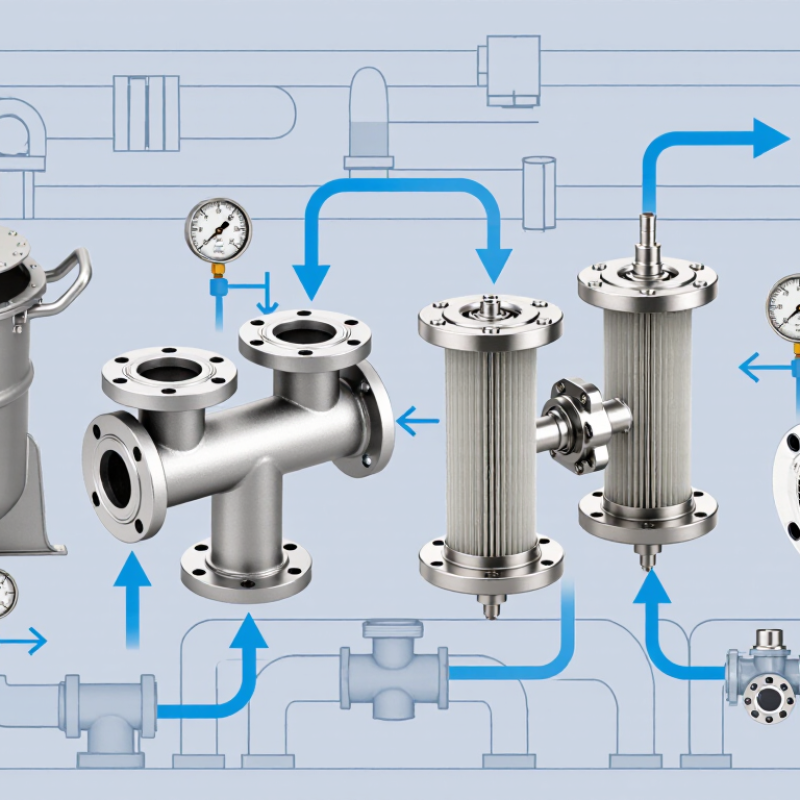
A pipeline strainer is a mechanical device fitted into a process line to catch solid debris before it reaches sensitive equipment. Inside the body, a perforated basket or screen intercepts particles while liquid or gas continues through the pipe. Common catches include rust flakes, weld fragments, scale, and other installation debris. Details matter. Screen openings should match the process and the particles that need to be removed. A screen that is too fine may restrict flow, especially in viscous liquids or lines carrying a heavy solids load.
Industrial systems use strainers to help protect pumps, control valves, meters, and heat exchangers from wear or blockage. For example, a basket strainer upstream of a pump can collect loose debris before it damages internal surfaces. Operators can check pressure readings across the strainer; a rising difference may indicate that the screen is loading up. Cleaning access matters, too. A unit that is difficult to isolate or open can turn a simple maintenance task into lost operating time. In practice, the specification sheet rarely tells the whole story: startup debris and changing flow rates can surprise even a careful team. A strainer is not a substitute for process filtration, and an unsuitable screen can create its own problems.
How Pipeline Strainers Capture Debris During Fluid Flow
2026 Best Pipeline Strainer for Industrial Buyers
As fluid enters a pipeline strainer, it passes through a perforated screen or mesh element. The openings allow the process fluid to continue while trapping particles that are too large to pass through. Depending on the design, debris collects inside a basket or along the screen surface. A properly selected opening size protects downstream equipment without unnecessarily restricting flow. Small detail, big consequences.
Captured debris gradually blocks open screen area. Operators may notice a rising pressure difference across the strainer, reduced flow, or changes in pump performance. A differential pressure gauge can help indicate when cleaning is needed; relying only on a fixed cleaning schedule may miss changing conditions. Screen choice should reflect expected particle size, fluid properties, flow rate, and acceptable pressure loss. The part buyers sometimes underestimate is maintenance access: a strainer can fit the line and still be awkward to open or clean. No screen catches every contaminant, and very fine particles may pass through. That limitation deserves attention before installation.
Common Strainer Types and Their Industrial Applications
Industrial strainers protect pumps, valves, and heat exchangers by catching debris before it reaches sensitive equipment. The right type depends on flow rate, available space, solids load, and how often operators can clean the screen. Small details matter. A fine mesh may capture more particles, but it can also clog quickly and increase pressure drop.
Y-strainers suit steam, water, and gas lines where debris loads are usually modest. Their angled body fits tight pipe runs, though cleaning may require stopping the line.
Basket strainers handle higher liquid flow and larger debris loads, such as cooling water or process fluids. Their larger screens can mean less frequent cleaning, but the housing needs more installation space.
T-strainers are often used in larger pipelines, where a removable screen can be accessed through a cover. Check the maintenance clearance before choosing one.
Duplex strainers use two chambers, allowing operators to switch flow while cleaning the inactive basket. This can help protect continuous processes, but valves and operating procedures must be configured carefully.
Temporary cone strainers are sometimes installed during commissioning to catch weld slag or construction debris. They are not always suitable for permanent service.
In practice, buyers should confirm the fluid, operating temperature, pressure rating, and expected particle size with qualified engineering staff. Screen specifications alone do not tell the whole story.
I have seen selection discussions overlook cleaning access, a practical mistake that can make routine maintenance harder than expected.
How to Select a Pipeline Strainer for an Industrial System in 2026
Selecting a pipeline strainer starts with the fluid, not the pipe size. Record the flow rate, operating pressure, temperature, and likely debris before comparing models. A strainer that is too small can create excessive pressure loss, even when its connection matches the line. Check the manufacturer’s flow data at your actual operating conditions. Small details count.
Choose the screen opening to catch harmful particles without restricting flow unnecessarily. A finer mesh is not automatically better; it may clog quickly in a dirty service. Y-type strainers suit many compact lines, while basket designs can offer more screen area where space allows. For continuous operation, consider a duplex arrangement so one chamber can be cleaned while the other remains in service. Confirm that the body and screen materials suit the fluid and temperature, and leave room to remove the screen safely. A differential-pressure gauge can reveal rising blockage before flow noticeably drops. On startup, inspect and clean the screen after initial flushing; debris loads are often hard to predict. There is no perfect selection from a catalog table alone. Verify the final choice against system data and maintenance conditions.
Installation, Inspection, and Maintenance of Pipeline Strainers
Installation, Inspection, and Maintenance of Pipeline Strainers
A pipeline strainer protects pumps, meters, and control valves by catching debris before it reaches sensitive components. Install it where the element can be removed safely, with enough clearance for the cover and basket. Follow the flow-direction arrow, support heavy piping independently, and avoid forcing misaligned flanges together. For liquid service, vent trapped air where the design allows. Small details matter. A strainer fitted backward or squeezed into a cramped space can turn routine cleaning into a shutdown.
Inspection should track differential pressure across the strainer, not just whether the line still flows. Record clean-start readings, then compare them under similar operating conditions. Rising pressure drop can indicate a blocked screen; sudden changes may point to process debris or a damaged element. The U.S. Department of Energy’s Improving Pumping System Performance: A Sourcebook for Industry reports that pumping systems account for nearly 20% of global electricity demand. That figure is not a strainer-efficiency estimate, but it underscores why avoidable flow resistance deserves attention.
During maintenance, isolate and depressurize the section before opening the housing, following site procedures and equipment instructions. Inspect the mesh for tears, flattened areas, corrosion, and deposits lodged in the seams. Clean without tools that can enlarge openings, and replace damaged elements rather than relying on a patch. Keep a log of pressure readings, cleaning dates, and debris type. The log may be imperfect, but it can reveal recurring contamination and help teams question whether the screen size or cleaning interval needs adjustment.