
three part picture of forklifts

2026 Best Screw Dry Vacuum Pump Which Type Should You Buy?

Choosing the right Screw Dry Vacuum Pump in 2026 is not simply a race toward lower pressure. The better question is practical: what must your process handle every hour? Semiconductor coating, chemical drying, food packaging, and central vacuum systems demand different pump characteristics. Gas composition, vapor load, dust, ultimate pressure, pumping speed, and operating temperature can change the decision completely. A pump that performs beautifully in a clean laboratory may struggle beside a warm, solvent-heavy production line.

John F. O’Hanlon, author of A User’s Guide to Vacuum Technology, offers a useful principle: “Choose the pump for the process, not merely for the lowest pressure.” That advice remains highly relevant. A modern Screw Dry Vacuum Pump can provide oil-free operation, stable performance, and lower contamination risk. However, screw geometry, purge requirements, cooling design, sealing arrangements, and service access still matter. The specification sheet never tells the whole story.

Small details become expensive later. A dusty inlet can damage rotors. Poor vapor management can increase corrosion. A narrow maintenance area can turn routine servicing into an outage. There is no universal winner. Even experienced buyers can overvalue ultimate vacuum and undervalue lifecycle cost. This guide compares major screw dry pump types, explaining where each design fits, where it disappoints, and which selection mistakes deserve a second look before purchase.
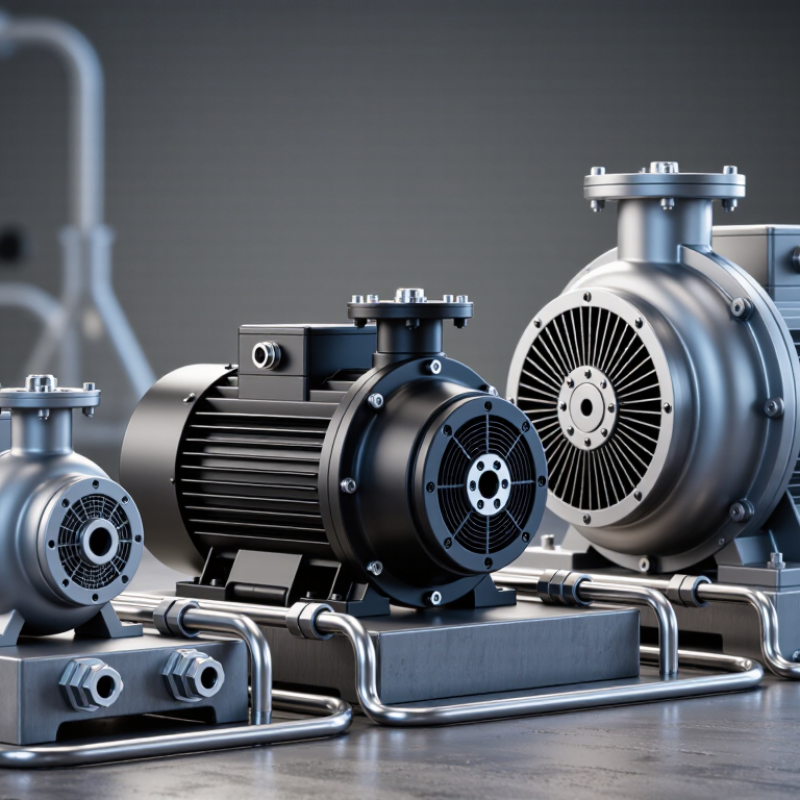
2026 Best Screw Dry Vacuum Pump Which Type Should You Buy?

What Is a Screw Dry Vacuum Pump and How Does It Work?

A screw dry vacuum pump uses two precisely shaped screws rotating in opposite directions. Gas enters through the inlet and fills the spaces between the screw flights. As the rotors turn, these pockets move toward the exhaust side. Their volume gradually decreases, compressing the gas before discharge. The screws do not normally touch each other or the housing, so the compression chamber needs no lubricating oil.

The design sounds simple. It is not. Clearances must remain extremely small, while heat must move away from the compression chamber. Many models use water cooling, although air cooling suits some compact systems. Screw profiles may also use changing pitches to improve compression across different pressure ranges. Purge gas can protect the pump when vapor or reactive process gases enter. In daily operation, inlet filters matter more than many buyers expect. Fine dust can damage performance quickly.

Choose a pump by actual gas load, vapor content, particle level, and required operating pressure. A laboratory ultimate-pressure figure may not match a warm production system with leaks and continuous vapor. Specs can mislead. Check pumping speed at your working pressure, not only at the headline value. Also examine noise, cooling-water quality, seal replacement, and service access. The sound matters. A rising pitch or unusual vibration can reveal contamination before the pressure reading changes. I would leave extra capacity for process variation, because real equipment rarely behaves like a clean test chamber.

Which Screw Dry Vacuum Pump Types Are Available in 2026?

In 2026, screw dry vacuum pumps are available in several practical configurations. The main type uses oil-free, twin-screw rotors to move gas without lubricating oil entering the process chamber. Fixed-pitch models offer simpler operation and lower maintenance. Variable-pitch models adjust compression along the rotor, often reducing power consumption and exhaust heat. The difference matters.

Cooling creates another important split. Air-cooled pumps suit clean workshops, laboratory systems, and installations with limited water access. Water-cooled designs handle continuous, high-load operation more steadily, especially near furnaces, coating equipment, or chemical process lines.

Some models include gas ballast, nitrogen purge, corrosion-resistant coatings, or staged exhaust treatment. These features improve reliability, but they also raise purchase and service costs.

Market evidence supports careful selection. Grand View Research estimated the global vacuum pumps market at about USD 5.5 billion in 2023 and forecast growth through 2030, with dry technologies gaining attention. MarketsandMarkets also identifies semiconductor, analytical, and industrial processing as major demand areas in its vacuum pumps market report. These figures indicate direction, not a guaranteed return. A pump tested at 10 Pa may perform differently under vapor, dust, or frequent cycling. I would compare ultimate pressure, pumping speed, inlet temperature, purge consumption, noise, and service intervals using real process data. A higher specification is not always the better purchase.

How to Compare Performance, Capacity, and Operating Costs

Choosing a screw dry vacuum pump in 2026 requires more than checking the lowest pressure rating.

Compare performance under your real process conditions. A pump may reach an impressive ultimate vacuum, yet perform poorly with moisture, solvents, or frequent pressure changes. Check pumping speed at the working pressure, not only at the inlet. Also review gas ballast performance, temperature limits, noise, and continuous-duty capability. Small test data can reveal large differences.

Capacity should match your chamber volume and production rhythm. Oversizing can increase purchase and energy costs without improving cycle time. Undersizing may cause long evacuation periods and overheating. Measure the chamber’s leak rate and gas load first. Then compare the required cubic meters per hour.

My first comparison focused too heavily on peak capacity. That was a mistake. Stable performance mattered more during repeated cycles.

Tips: Request performance curves, power readings, and maintenance schedules. Calculate energy cost per operating hour, including standby consumption. Check service access around filters, seals, and cooling paths. Oil-free does not mean maintenance-free. Inspect inlet protection, condensate handling, and replacement-part availability. A slightly higher initial price may be reasonable if it reduces downtime. Still, verify the claim with application data, because efficiency figures can change with pressure, temperature, and installation quality.

What Factors Should Guide Your Screw Dry Vacuum Pump Choice?

2026 Best Screw Dry Vacuum Pump Which Type Should You Buy?

What Factors Should Guide Your Screw Dry Vacuum Pump Choice?

Your process should decide the pump, not its catalog pressure. Check gas flow, vapor load, dust, temperature, and operating hours first. A pump reaching 0.01 mbar may still fail under wet chemical vapor or powder exposure. SEMI’s 2025 World Fab Forecast projects global semiconductor capacity at about 33.7 million eight-inch-equivalent wafers monthly, with roughly 7% annual growth. That expansion increases demand for stable, clean vacuum systems. However, higher capacity does not mean every screw pump needs maximum speed.

Compare pumping speed at your actual inlet pressure. Review ultimate pressure only after measuring the real gas load. ISO 21360-1 provides a consistent method for vacuum-pump performance testing, which helps separate laboratory figures from field results. Energy also deserves attention. The International Energy Agency reports that electric motor systems use about 53% of global electricity. Variable-speed control, low-leakage pipework, and efficient cooling can therefore affect lifecycle cost significantly. A smaller pump may be wiser. Oversizing often creates unnecessary heat and power consumption.

Tips: Measure the real load. Not the brochure. Record pressure, temperature, and current for one production cycle. Ask about condensate handling, purge requirements, seal replacement intervals, and noise. I would also challenge the maintenance estimate; clean dry gas can become corrosive after several months. No selection table replaces a logged process test.

2026 Best Screw Dry Vacuum Pump Which Type Should You Buy? - What Factors Should Guide Your Screw Dry Vacuum Pump Choice?

Typical engineering ranges for oil-free screw vacuum pumps. Actual performance depends on gas composition, inlet pressure, operating temperature, purge settings, and the manufacturer’s design.
Pump type Typical ultimate pressure Typical pumping-speed range Best suited for Main advantages Important limitations Key buying priority
Standard air-cooled screw pump Approximately 0.5–5 mbar
(50–500 Pa)
5–300 m³/h Packaging, vacuum forming, material handling, drying, and general industrial duty Simple installation; no cooling-water circuit; low utility requirements; oil-free compression Limited heat rejection; may require derating at high ambient temperature or during continuous high-load operation Ambient conditions, ventilation, noise, and required inlet capacity
Standard water-cooled screw pump Approximately 0.01–1 mbar
(1–100 Pa)
30–1,200 m³/h Central vacuum systems, semiconductor support processes, large-scale drying, and continuous industrial production Efficient heat removal; stable performance at high throughput; suitable for demanding continuous duty Needs cooling-water supply, filtration, drainage, and water-quality control; higher installation complexity Cooling-water temperature, flow rate, water treatment, and total operating cost
Chemical-duty screw pump Approximately 0.01–5 mbar
depending on purge and gas load
10–500 m³/h Solvent evaporation, filtration, distillation, chemical processing, and corrosive or condensable service Improved corrosion resistance; gas ballast or purge options; better tolerance of condensable vapors Higher purchase price; purge gas consumption; materials must be matched to the process chemistry Chemical compatibility, vapor-condensation risk, purge strategy, and exhaust treatment
High-vacuum optimized screw pump Approximately 0.001–0.1 mbar
(0.1–10 Pa)
20–500 m³/h Vacuum furnaces, coating support, freeze-drying systems, leak testing, and applications requiring lower base pressure Lower base pressure than general-purpose models; can reduce reliance on oil-sealed backing pumps Longer pump-down may occur with heavy gas loads; performance is sensitive to contamination and inlet conductance Required base pressure, chamber volume, conductance, leak rate, and gas-load profile
Variable-speed screw pump Approximately 0.01–5 mbar
model dependent
10–1,200 m³/h Processes with changing vacuum demand, multi-shift production, and systems requiring energy optimization Adjustable capacity; reduced energy use at partial load; smoother pressure control Higher controls complexity; inverter compatibility and motor-cooling limits must be checked Daily load variation, control range, response time, and energy-cost savings
Compact integrated screw package Approximately 0.1–5 mbar
(10–500 Pa)
5–150 m³/h Laboratory equipment, small production cells, CNC fixtures, and decentralized vacuum points Small footprint; fast deployment; integrated controls and accessories; simplified commissioning Less reserve capacity; limited expansion options; service access may be restricted by the enclosure Available floor space, connection requirements, service access, and future capacity needs
Selection guide: Choose an air-cooled model for simpler general-duty installations, a water-cooled model for high continuous throughput, a chemical-duty model for corrosive or condensable gases, a high-vacuum model for lower base pressure, and a variable-speed model when vacuum demand changes significantly.

Which Screw Dry Vacuum Pump Is Best for Different Applications?

The best screw dry vacuum pump depends on the process, not the catalogue headline. Start with the process. For semiconductor and coating work, choose a corrosion-resistant model with protected screw surfaces, controlled purge gas, and stable performance at low pressure. Reactive gases and powder can damage internal clearances. That detail matters.

For packaging, central vacuum, and general industrial handling, an air-cooled screw pump may offer simpler installation and lower maintenance. Water-cooled designs suit continuous duty, hot environments, or processes requiring better temperature control. If the system faces frequent pressure changes, select a pump with a wide operating range and responsive control. A variable-speed drive can reduce energy use during partial demand, although savings depend on the entire vacuum network.

Chemical processing and solvent recovery require careful attention to gas ballast, exhaust filtration, and material compatibility. Freeze-drying may need strong vapor handling and reliable operation over long cycles. In dusty applications, an inlet separator can protect the pump before contamination reaches the screws. I have seen systems fail because users sized the pump by ultimate pressure alone. That is not enough. Vapor load, leakage, cycle time, and cleaning intervals often matter more.

A technically sound choice includes measured flow at working pressure, not only advertised peak capacity. Ask for test conditions, service data, and maintenance intervals. The “best” pump can still disappoint when piping is narrow or purge settings are ignored. Recheck the real process before buying.