2026 Top Fountain Contractors for Global Buyers
Global fountain projects are becoming more ambitious, digital, and environmentally accountable. Buyers now expect sculptural impact, reliable engineering, transparent costs, and responsible water use. This is where experienced Fountain Contractors become essential. They coordinate hydraulic design, stonework, pumps, lighting, controls, safety systems, and long-term maintenance. One missed detail can create weak jets, slippery paving, or expensive downtime.
Industry evidence supports this wider view. The United Nations World Water Development Report 2024 highlights increasing water stress and the need for efficient management. The report reminds project owners that beauty cannot ignore resource pressure. Grand View Research’s water features market analysis also identifies growing demand for customized installations, smart controls, and commercial landscape applications. These trends matter for hotels, retail destinations, civic plazas, and private estates.
As WET founder Mark Fuller has said, “Water is a universal language.” His observation explains why fountains continue to connect visitors across cultures. Yet successful projects require more than visual emotion. The best contractors interpret local climate, water quality, import conditions, electrical standards, and maintenance capacity. They test pump performance, inspect nozzle alignment, and document every control setting. Practical work matters.
This 2026 guide evaluates leading Fountain Contractors for global buyers through experience, technical capability, project evidence, communication, and after-sales support. It considers both established firms and promising specialists. No ranking is perfect. Supplier availability, pricing, and regulations can change quickly. Buyers should still verify licenses, references, warranties, and site-specific engineering before signing. The right partner creates a fountain that performs beautifully, not merely photographs well.
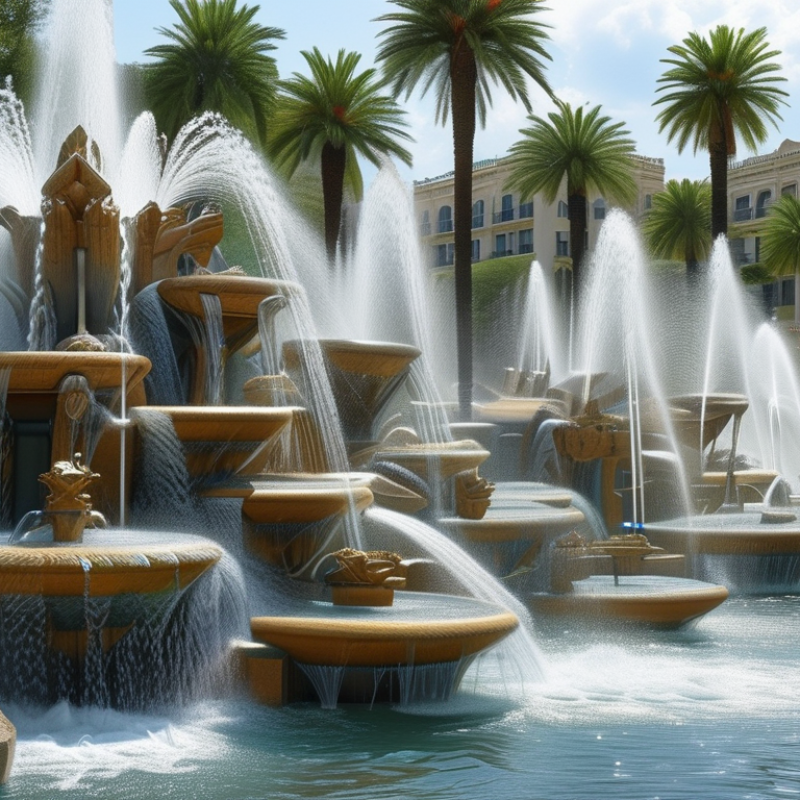
What Fountain Contractors Do for Global Buyers
2026 Top Fountain Contractors for Global Buyers
What Fountain Contractors Do for Global Buyers
Fountain contractors turn a design idea into a working water feature. They review the site, water source, electrical supply, drainage, and local climate. A strong contractor also checks drawings before construction begins. This prevents pump rooms from becoming too small or difficult to service. Details matter. Water behaves differently in hot, cold, windy, and coastal locations.
For international buyers, contractors coordinate more than installation. They prepare equipment schedules, technical drawings, material lists, and maintenance instructions. They may help select pumps, nozzles, filters, lighting, control panels, and waterproofing systems. They also confirm voltage requirements, shipping dimensions, packaging, and customs documents. Qualified teams should follow applicable safety standards and use traceable testing records. Remote communication is common, but clear photographs and inspection reports reduce misunderstandings.
Experienced contractors test water flow, spray height, lighting scenes, and emergency shutdown functions before handover. They train local staff to clean filters and identify unusual pump noise. This practical support can protect operating costs over time. Still, no contractor can predict every site problem. I have seen attractive plans fail because wind was underestimated or drainage was ignored. Honest contractors admit these risks early and suggest workable changes. Buyers should request references, warranties, service response times, and a clear list of excluded work. A low initial quote may hide civil works, lifting equipment, or future filter replacement. That deserves careful review.
Key Criteria for Evaluating Fountain Contractors in 2026
Choosing among the top fountain contractors in 2026 requires more than comparing attractive project images. Global buyers should examine verified experience, engineering depth, and long-term service capacity. Ask for completed projects with similar water volume, climate, visitor traffic, and installation complexity. Details matter.
A reliable contractor should explain hydraulic calculations, pump efficiency, filtration, waterproofing, lighting control, and winter protection in clear language. Request drawings, material specifications, testing records, and a realistic maintenance schedule. Safety planning must cover electrical systems, wet surfaces, public access, and emergency shutdowns. Ask for evidence. Strong contractors also understand local permits, import procedures, water standards, and installation partners. These details reduce delays across borders.
Do not judge reliability from a polished proposal alone. Some bids hide maintenance costs or assume ideal water quality. That gap matters. Ask who responds when a pump fails during a public event, how spare parts are stored, and whether remote monitoring has practical limits. References should include recent clients willing to discuss defects, response times, and final costs. A useful evaluation also checks contract clarity, warranty exclusions, training, and payment milestones. No contractor is flawless. Experienced buyers leave room for questions, revisions, and independent technical review before approval.
Top Fountain Contractor Categories and Their Specialties
2026 Top Fountain Contractors for Global Buyers
Top Fountain Contractor Categories and Their Specialties
Architectural fountain contractors serve civic plazas, hotels, and commercial entrances. They coordinate structural loads, waterproofing, stonework, pumps, and hydraulic calculations. Their strength is visual precision. A two-millimeter level error can create uneven water sheets. Global buyers should request shop drawings, flow-rate tests, and local code reviews. The UN World Urbanization Prospects projects that 68% of people will live in urban areas by 2050, increasing demand for durable public water features.
Interactive fountain contractors specialize in programmable jets, LED lighting, sensors, and timed performances. They design control panels, emergency shutoffs, slip-resistant surfaces, and accessible circulation zones. These systems need more than attractive animation. They require reliable commissioning and trained maintenance staff. Small failures become public quickly. The U.S. Environmental Protection Agency reports that leaks waste nearly one trillion gallons of water annually in the United States, so recirculation, automatic level control, and leak detection deserve careful specification.
Landscape fountain contractors build ponds, streams, cascades, and planted water gardens. They balance ecology, filtration, irrigation, and seasonal maintenance. Their work suits resorts, parks, and residential estates. Natural-looking does not mean maintenance-free. Designers sometimes underestimate sediment and algae control. Buyers should inspect comparable projects, review maintenance logs, and confirm spare-parts access before signing. The UN World Water Development Report 2024 notes that agriculture represents about 70% of global freshwater withdrawals, making efficient fountain operation an increasingly responsible design choice.
How to Compare Design, Engineering, Installation, and Support
2026 Top Fountain Contractors for Global Buyers
How to Compare Design, Engineering, Installation, and Support
A strong fountain contractor should turn a visual concept into measurable performance. Ask for hydraulic calculations, pump curves, nozzle schedules, electrical loads, and maintenance access drawings. A beautiful rendering is not enough. Site reviews often expose weak drainage, excessive splash, or hidden service problems.
Energy deserves equal attention. The U.S. Department of Energy’s 2022 Commercial Buildings Energy Consumption Survey reports that lighting represents about 17% of commercial building electricity use. Efficient underwater lighting, dimming controls, and timed operation can reduce a fountain’s operating burden. The U.S. Environmental Protection Agency states that WaterSense products use at least 20% less water than standard alternatives, although this figure should not be applied blindly to decorative systems. Reclaimed water may also require additional treatment.
Installation quality is visible in small details. Check pipe labeling, waterproofing records, vibration control, control-panel testing, and commissioning reports. Request evidence of water-quality procedures based on the World Health Organization’s recreational-water guidance and local regulations. Public-health requirements differ between regions.
Support is often underestimated. Ask who responds after a blocked nozzle, sensor fault, or winter shutdown. Confirm spare-parts lead times and remote-monitoring responsibilities. The U.S. Centers for Disease Control and Prevention’s Model Aquatic Health Code offers useful disinfection principles, but it is not a universal fountain standard. Applying it without local review would be careless. Yet ignoring aerosol and microbial risks is worse.
International Purchasing, Compliance, and Project Coordinationarsuarmi
In 2026, global fountain projects demand more than attractive water movement. International buyers need contractors who understand purchasing, compliance, and coordination. An experienced team checks site surveys, hydraulic calculations, electrical loads, and maintenance access before quoting. I have learned that a beautiful rendering can hide a weak drainage plan. Small errors become expensive after shipment. Clear drawings matter. The contractor should issue dimensioned layouts, equipment schedules, finish samples, and a realistic production timeline.
Purchasing across borders requires disciplined documentation. Confirm material grades, pump curves, voltage, frequency, packaging, spare parts, and inspection points in writing. Compliance must match the installation country, not the supplier’s assumptions. Local rules may cover electrical protection, water hygiene, noise, accessibility, customs classification, and environmental discharge. A responsible contractor identifies applicable standards with qualified local professionals. They should provide test records, manuals, origin documents, and safe installation instructions. Never treat a generic certificate as universal approval.
Project coordination often decides whether a fountain opens on time. One communication lead should connect the buyer, architect, civil engineer, freight agent, and site supervisor. Weekly reviews can track drawing approval, factory testing, shipping dates, and unresolved risks. Photos of crate labels and cable connections help prevent confusion. Delays still happen. Weather, port congestion, or revised site conditions can change the plan. I prefer honest risk registers over optimistic promises. Sometimes, postponing shipment until the foundation is checked again is the safer decision.