What Are the Advantages of Industrial Robots for Businesses?
In today's competitive market, businesses continually seek ways to enhance productivity and efficiency. One significant innovation is the adoption of industrial robots. Industrial Robots Advantages can transform operations, offering enticing benefits. These automated machines improve precision and reduce human error. They consistently perform repetitive tasks, allowing human workers to engage in more value-added activities.
However, the integration of industrial robots is not without challenges. The initial investment can be substantial, and businesses must consider ongoing maintenance costs. Additionally, companies may face resistance from employees concerned about job security. Balancing technology with a skilled workforce is crucial for success. Despite these hurdles, many organizations recognize the long-term gains. They see increased output and lower operational costs.
As businesses evaluate the advantages of industrial robots, they must weigh potential drawbacks. An honest reflection on these aspects can guide thoughtful adoption. Embracing automation requires commitment and a clear strategy. A pragmatic approach will ensure that industrial robots deliver their promised benefits while addressing the human element in the workplace.
Overview of Industrial Robots in Modern Manufacturing
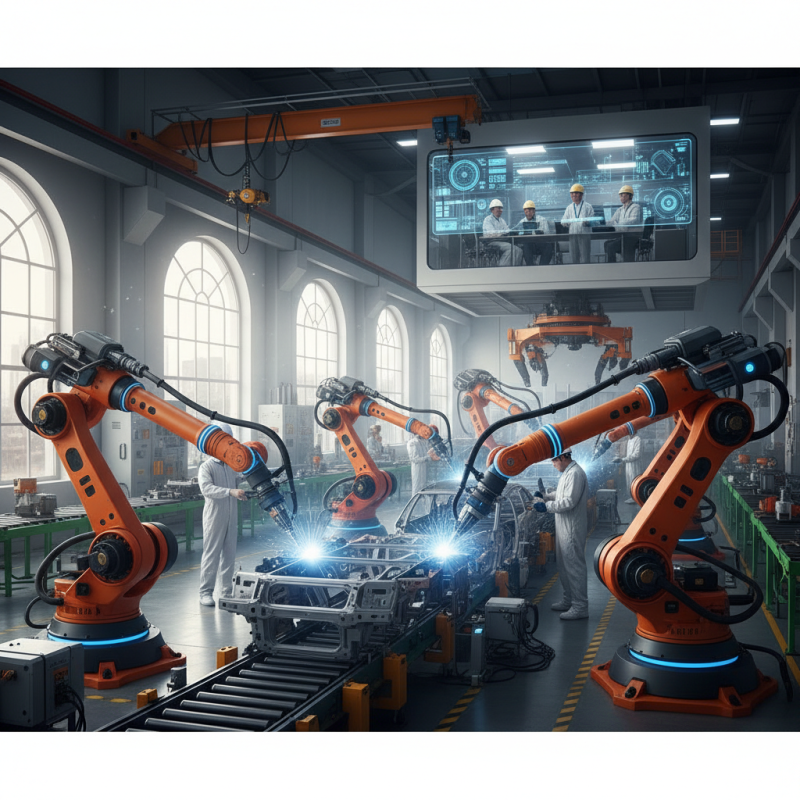
Industrial robots have become a cornerstone in modern manufacturing, transforming how businesses operate. According to a report from the International Federation of Robotics, global robot sales reached approximately 384,000 units in 2021. This surge highlights the growing reliance on automated technology to increase efficiency and reduce production costs. Companies adopting these robots report productivity improvements of up to 30%.
Investment in industrial robots often leads to a significant ROI. A study by McKinsey found that companies can recoup their robotic investments within just 1.5 to 3 years. However, the adaptation process isn't always smooth. Some businesses face challenges in integrating robots into existing workflows. It's essential to ensure proper training and support for staff during this transition.
Additionally, while robots excel at repetitive tasks, they lack the flexibility of human workers. They struggle with unexpected changes in the production line. Businesses must weigh the benefits against these potential limitations. The evolution of robotics technology continues, aiming to enhance adaptability and collaboration between humans and machines. Keeping a balance between innovation and workforce needs remains critical for sustainable growth.
Enhanced Efficiency and Productivity through Automation
With the rise of automation, businesses are increasingly turning to industrial robots. These machines can handle repetitive tasks with precision and speed. This leads to a significant boost in efficiency for various industries. Robots can work round the clock, minimizing downtime. Such continuous operation can accelerate production rates and meet high demand.
Incorporating robots into the workforce raises questions, though. Some employees may feel threatened by automation. Job roles are changing, and companies must address these concerns thoughtfully. Retraining and reskilling are essential. Workers need to adapt to new responsibilities alongside robots. This shift may not be seamless for everyone.
Quality control shows another area of improvement. Robots monitor processes and reduce errors. However, they are not infallible. Malfunctions can happen, and human oversight remains crucial. Businesses should find a balance between machines and human expertise for optimal outcomes. As industries evolve, reflecting on these challenges is vital for sustainable growth.
Cost Reduction and ROI: Financial Benefits of Using Robots
Industrial robots are transforming the manufacturing landscape, particularly through significant cost reduction. According to a report by Deloitte, companies implementing robotic automation can expect cost savings of 20-40%. This is achieved by minimizing labor expenses and reducing errors in production. Robots work tirelessly, ensuring consistent quality without the fatigue that human workers experience. Overhead costs can also decrease as robots often require less floor space than traditional setups.
The return on investment (ROI) for robotics can be compelling. A study found that businesses see an average ROI of 200% within five years of automation adoption. This impressive figure reflects the dual benefits of energy efficiency and enhanced productivity. For instance, robots can operate 24/7, increasing output without additional labor costs. However, companies must be cautious. Initial investments can be high, and integration into existing systems can pose challenges. Businesses need a strategic approach, ensuring they align robotic capabilities with production goals.
Additionally, while robots can elevate efficiency, there are areas where reliance on automation can falter. Departments may require upskilling to manage robotic systems effectively. Integration of AI and machine learning can introduce complexities as well. Some manufacturers may face resistance from workers concerned about job security. Balancing the efficiency of robotics with human oversight is crucial for long-term success.
Improved Quality and Precision in Production Processes
Industrial robots have become essential in production processes, enhancing both quality and precision. According to a report from the International Federation of Robotics, industries that adopted automation saw a 30% increase in product quality. This is largely due to robots consistently performing tasks with a high degree of accuracy. Unlike humans, robots eliminate variability caused by fatigue or distraction. This ensures that each product meets strict quality standards, reducing defects significantly.
Moreover, the precision of industrial robots allows for tighter tolerances in manufacturing. A study from MIT highlighted that robotic systems can achieve tolerances of up to ±0.01 mm. Such precision is vital in sectors like aerospace and medical device manufacturing, where small deviations can lead to catastrophic failures. However, integrating robots isn’t without challenges. Companies need to invest in training and updating existing workflows to maximize benefits.
While robots improve quality, the transition to automation poses dilemmas. Workers may feel threatened by job displacement. This disruption can impact workplace morale and productivity. Companies must address these concerns actively. Balancing technology integration with a skilled workforce is crucial for long-term success. Robotics offers clear advantages, yet the human element must not be overlooked.
Workforce Safety and Ergonomics: Reducing Human Risk Factors
Industrial robots are transforming the manufacturing landscape by significantly enhancing workforce safety and ergonomics. Implementing robots into workflows can effectively reduce the physical strain on employees. Manual tasks that involve heavy lifting or repetitive motions can lead to fatigue and injury. Robots take on these strenuous tasks, allowing human workers to focus on more complex responsibilities.
The shift to robotic assistance does raise concerns about dependency on technology. Some businesses might overlook the need for ongoing employee training. While robots handle hazardous tasks, workers must adapt to new roles. This adjustment can create discomfort and require time for familiarization. Organizations must balance automation with proper human resource management to ensure a smooth transition.
Additionally, robots can operate in environments that are unsafe for humans, such as extreme temperatures or high-risk areas. This not only protects human life but also maintains productivity. Nevertheless, the challenge lies in integrating these systems thoughtfully. Employers must consider the implications of automation on team dynamics and job satisfaction. A thoughtful approach is critical for maximizing the benefits of industrial robots while safeguarding workforce morale.
What Are the Advantages of Industrial Robots for Businesses?
| Advantage | Description | Impact on Workforce Safety | Ergonomics Improvement |
| Reduced Workplace Injuries | Robots perform dangerous tasks, minimizing human exposure to hazardous environments. | Significantly lowers the rate of injuries and accidents. | Decreases repetitive strain injuries by replacing manual labor. |
| Enhanced Precision and Consistency | Robots provide consistent performance in repetitive tasks. | Reduces risk of mistakes that could lead to unsafe situations. | Improves working conditions by ensuring high-quality outputs. |
| Increased Efficiency | Robots operate faster than humans and can work 24/7. | Less fatigue-related errors lead to safer work environments. | Reduces physical demands on workers, promoting better posture and less fatigue. |
| Cost Savings | Reduction in labor costs and lower injury costs. | Prevents costs associated with workplace injuries. | Promotes better ergonomic practices, reducing long-term health costs. |
| Flexibility in Operations | Robots can be reprogrammed for different tasks. | Minimizes risk by allowing workers to be reassigned to safer tasks. | Supports diverse tasks without the need for specialized manual handling by workers. |