Best Aluminum Window Frame Options for Global Buyers?
When considering the best Aluminum Window Frame options, several factors come into play. Aluminum window frames offer durability, aesthetics, and energy efficiency. They are increasingly popular among global buyers looking for high-quality solutions. However, choosing the right frame can be challenging due to the variety of available products.
Each region presents unique challenges and preferences. Buyers must assess their climate, design needs, and budget. Researching different manufacturers is essential. It can help identify reliable suppliers and materials. Quality is non-negotiable when investing in aluminum window frames.
While aluminum frames withstand weather and time, they may not fit all project requirements. Buyers should reflect on their long-term needs and installation specifics. Seeking professional advice can significantly influence the decision-making process. Ultimately, the best choice balances quality, functionality, and design appeal.
Top Features to Consider When Choosing Aluminum Window Frames
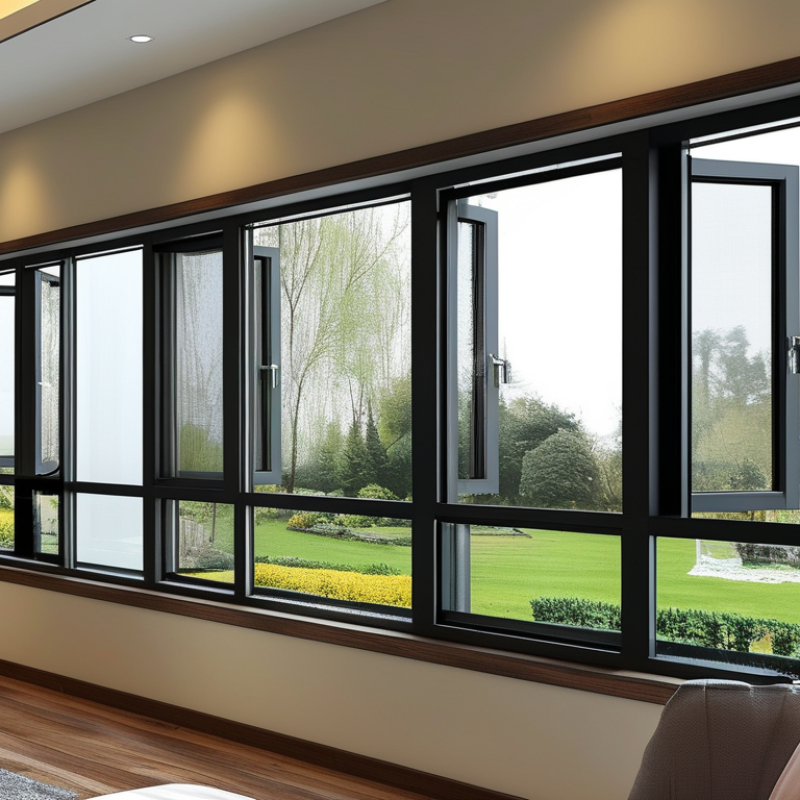
When selecting aluminum window frames, several essential features come into play. Durability is paramount. Aluminum is inherently strong, resistant to rust and corrosion. However, not all aluminum frames are created equal. Look for high-quality alloys that ensure longevity, especially in harsh climates.
Energy efficiency is another critical aspect. Choose frames with thermal breaks. These reduce heat transfer, thereby optimizing insulation. A well-insulated frame can lead to significant energy savings. Aesthetic appeal also matters. Aluminum frames offer a sleek look, fitting a variety of architectural styles. The finish can enhance the visual aspect while providing additional durability.
Customization is often overlooked. Many manufacturers allow tailored solutions in size and color. This flexibility enables buyers to match their frames with their design vision. However, the installation process is vital. Improper installation can lead to future problems. Always consider hiring professionals for the job. It’s essential to weigh these factors carefully. Some buyers may prioritize aesthetics over functionality, leading to regret down the line. Finding the right balance is key.
Aluminum Window Frame Options Comparison
Types of Aluminum Window Frames Available for Global Markets
When it comes to aluminum window frames, there are several types available that cater to diverse global markets. One popular option is the thermal break frame. This design includes a layer of insulation between the interior and exterior materials, reducing heat transfer. It’s beneficial in regions with extreme temperatures, enhancing energy efficiency significantly. Homeowners and builders appreciate this feature for sustainability.
Another option is the standard aluminum frame. These frames are lightweight, robust, and require minimal maintenance. They offer excellent protection against environmental elements like rain and wind. However, they may not provide the same level of insulation as thermal break frames. This can be a downside for buyers in colder climates.
Lastly, folding or sliding frames appeal to those seeking a modern aesthetic. These frames allow for expansive views and can open up living spaces. However, they might require more frequent cleaning due to their larger surface area. Each type has its upsides and downsides. Understanding these details helps buyers make informed decisions without feeling overwhelmed.
Best Aluminum Window Frame Options for Global Buyers
| Frame Type | Thermal Performance | Cost ( per square meter ) | Weight | Durability |
| Standard Aluminum Frame | Moderate | $50 - $70 | Medium | High |
| Thermal Break Aluminum Frame | High | $80 - $100 | Light | Very High |
| Pultruded Aluminum Frame | Moderate | $70 - $90 | Heavy | High |
| Aluminum-Clad Wood Frame | High | $100 - $120 | Medium | Very High |
| Marine Grade Aluminum Frame | High | $100 - $140 | Medium | Extreme |
Comparative Analysis of Aluminum vs. Other Window Frame Materials
When comparing aluminum window frames to other materials, several factors come into play. Aluminum frames are known for their strength and durability. They can withstand extreme weather conditions better than common alternatives such as vinyl or wood. According to a report by the American Society for Testing and Materials, aluminum frames can have a lifespan of 30 years or more, while wood may require frequent maintenance and replacement within 15-20 years.
Energy efficiency is another crucial aspect. A study published in the Journal of Architectural Engineering highlighted that aluminum frames, when thermally broken, can have energy efficiency ratings that are comparable to wood and superior to vinyl. This dual functionality makes them an increasingly popular option. However, most buyers may overlook the initial higher cost of aluminum. It often results in long-term savings, balancing the upfront investment against reduced energy bills and maintenance costs over time.
Despite these advantages, aluminum frames are not without their drawbacks. They can conduct heat more than other materials if not properly insulated. This might lead to condensation issues in humid climates. Additionally, their aesthetic appeal may not satisfy all homeowners, who often prefer the classic look of wooden frames. These nuances are vital for buyers to consider when choosing the best window frames for their specific needs.
Sustainability and Energy Efficiency of Aluminum Window Frames
Aluminum window frames are increasingly recognized for their sustainability and energy efficiency. According to the latest industry analysis by the Global Aluminum Association, aluminum can be recycled indefinitely without losing quality. This feature makes it a sustainable choice for construction. Nearly 75% of aluminum produced in the past 130 years is still in use today.
When it comes to energy efficiency, aluminum frames offer several advantages. They can be designed with thermal breaks that enhance insulation. Studies show that buildings with aluminum frame windows can achieve energy savings of up to 30%. However, the initial energy cost in production can be higher than some other materials, which raises concerns. It's vital to assess the life cycle of these products, weighing short-term costs against long-term benefits.
Moreover, aluminum frames are not without their challenges. If not properly insulated, they may transfer heat more than other materials. Thus, builders must ensure they use the latest technologies to minimize this downside. As the construction landscape evolves, a focus on advancements in aluminum frame technology will be essential for meeting global sustainability goals.
Cost Considerations and Budgeting for Aluminum Window Frame Options
When considering aluminum window frames, budgeting plays a crucial role. Aluminum is often praised for its durability and insulation properties, yet the cost can vary significantly based on design and features. Standard models tend to be more affordable, while custom designs can elevate expenses. Buyers must weigh these options carefully.
One key tip is to set a clear budget from the outset. This helps prevent overspending on unnecessary features. For instance, consider the finish and color. Anodized finishes might cost more but ensure longevity. You should also explore local suppliers for competitive pricing. Shipping costs can add to your overall budget too.
Quality should not be compromised for cost savings. Cheap frames might save money upfront, but they could lead to issues later. Look for options that balance cost and longevity. This requires a little market research. Engage with professionals to assess the quality of prospective frames. It's vital to ensure a perfect fit for your windows to maximize energy efficiency and aesthetics. A good fit can ultimately save on heating and cooling costs over time.