What Is the Best Fork Lift Truck Training for 2026?
As we approach 2026, the demand for skilled operators in the warehouse sector continues to rise. Fork lift truck training will be more crucial than ever. Companies need trained individuals who can ensure safety and efficiency. The complexities of modern logistics require a solid understanding of lift truck operations.
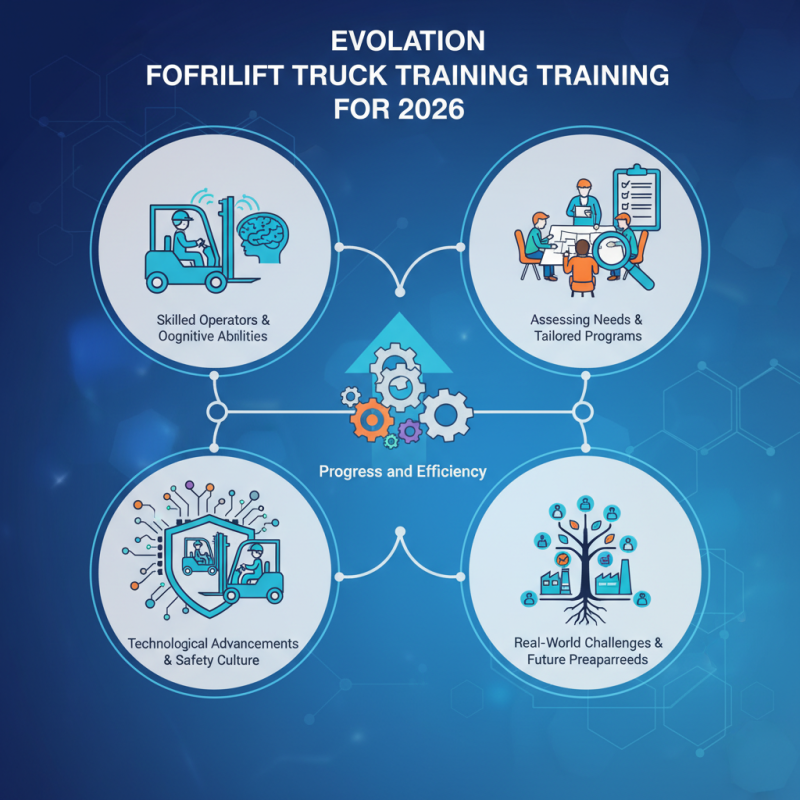
In today's ever-evolving marketplace, the focus is not solely on training programs but also on the needs of the workforce. Organizations must assess their specific requirements for fork lift truck training. Many existing training methods may not keep up with technological advancements. This gap may hinder productivity and safety on the floor.
Moreover, effective training should not only address technical skills but also promote a culture of safety. Trainees must be prepared for real-world challenges. Companies should avoid generic approaches and tailor programs to their unique environment. Reflecting on current practices could unveil areas for improvement. It’s time to rethink how we prepare operators for the future of fork lift truck training.
Emerging Trends in Fork Lift Truck Training for 2026
In 2026, fork lift truck training is likely to undergo significant transformation. Virtual and augmented reality training tools are emerging, simulating real-world scenarios. These technologies can enhance learning experiences and reduce risks. However, they are not foolproof. Some workers may find it hard to adapt. Traditional methods still have their place, but companies must find the right balance.
Another trend is the focus on sustainability. Training programs are beginning to include eco-friendly practices. Operators learn about energy-efficient techniques. This shift is important but may leave some trainees overwhelmed by the amount of information. They might struggle to implement these practices efficiently.
Furthermore, soft skills training is gaining importance in this field. Communication and teamwork are crucial for safety. Some programs have started to incorporate this aspect. However, not all trainers excel in this area. There’s room for improvement, as trainees often crave more guidance in these skill sets. Each of these trends offers unique opportunities and challenges that need careful consideration moving forward.
Essential Skills and Certifications for Fork Lift Operators
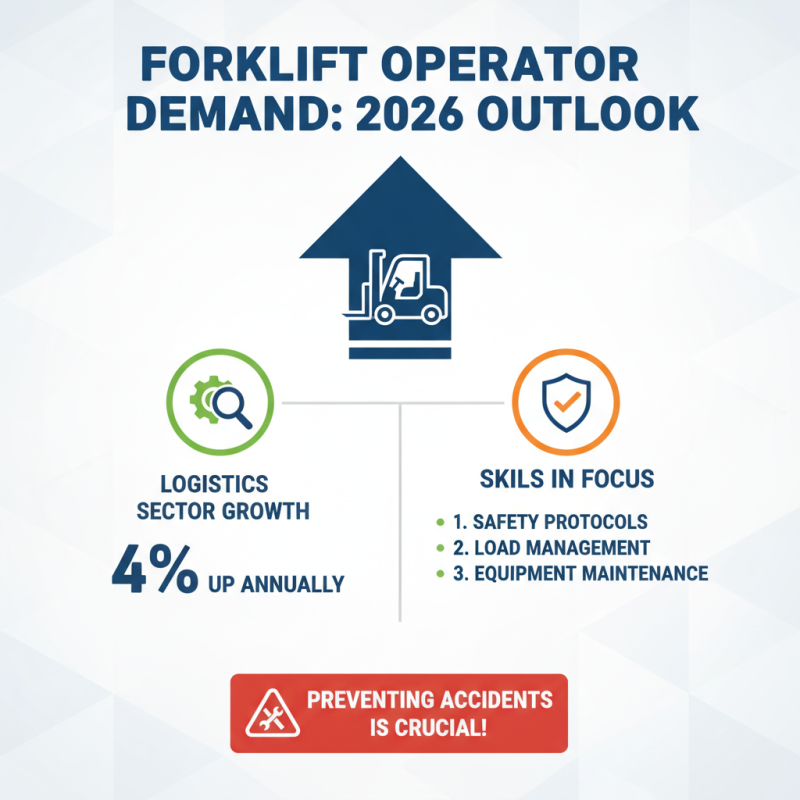
In 2026, the demand for skilled fork lift operators is expected to rise significantly. According to industry reports, the logistics sector is projected to grow by 4% annually. This growth emphasizes the need for effective training programs that focus on essential skills. Operators must excel in safety protocols, load management, and equipment maintenance. These areas are crucial to prevent workplace accidents.
Certification remains a key factor in operator competence. The Occupational Safety and Health Administration (OSHA) mandates training and certification for operators, which many companies now prioritize. However, what about soft skills? Communication and teamwork often get overlooked. Yet, they are vital for efficient operations in busy environments. A study indicated that 30% of accidents stem from poor communication among team members.
Real-world training scenarios are essential, too. Simulations can replicate challenging situations. Yet, they may not always reflect on-the-ground realities. Operators might struggle when faced with unexpected obstacles. Programs should evolve. They need to bridge the gap between theory and practice. Cultivating a mindset focused on continuous improvement can further enhance skills.
Innovative Training Methods and Technologies in 2026
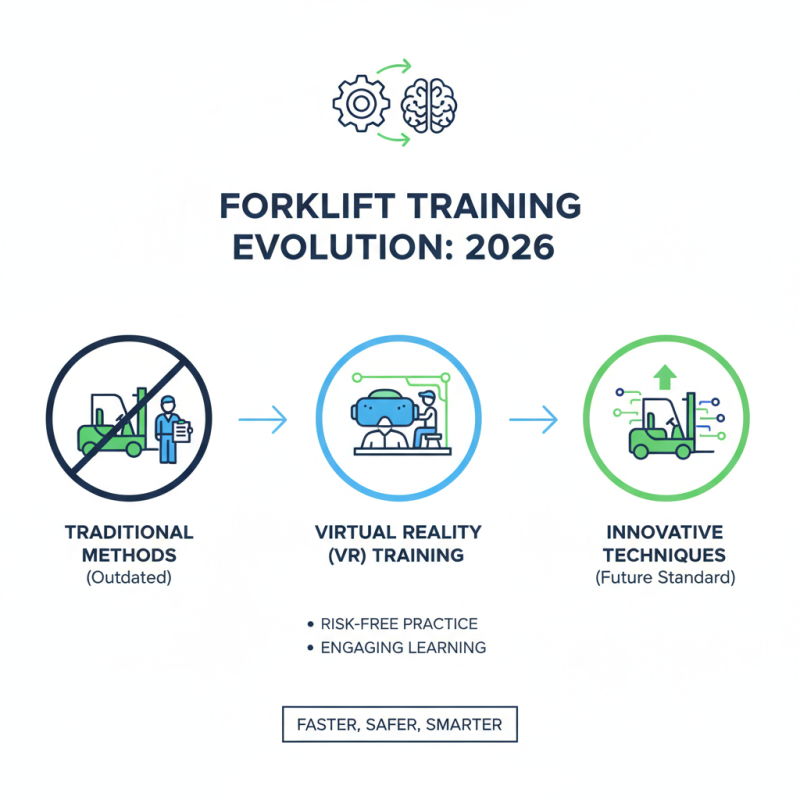
In 2026, forklift truck training is evolving rapidly. Traditional methods are being replaced by innovative techniques. Virtual reality (VR) is gaining traction in training programs. This technology immerses trainees in realistic environments. They can practice without the risks associated with real equipment. It’s an engaging way to learn.
Online courses are becoming more common. These courses offer flexibility for busy schedules. Trainees can learn at their own pace. However, not all online programs ensure hands-on experience. That is a significant gap in training quality. Blended learning, combining online and in-person sessions, could bridge this divide.
Simulation-based training is also on the rise. Using advanced software, trainees can face various scenarios. However, the challenge remains in making these simulations as realistic as possible. Some trainees might still feel unprepared for real-world situations. Continuous feedback and assessment will be crucial for improvement. The industry must focus on these aspects to enhance overall safety and efficiency.
Safety Standards and Regulations Impacting Fork Lift Training
Forklift training is critical in ensuring a safe workplace. According to the Occupational Safety and Health Administration (OSHA), improper forklift training contributes to over 20,000 injuries each year in the U.S. alone. The evolving safety standards and regulations highlight the increased importance of comprehensive training programs. In 2026, operators must stay updated with these regulations to minimize accidents.
A robust training program must cover new safety measures. Trainees should understand load capacity, pedestrian safety, and hazard recognition. Regular refreshers are important. Trainees forget vital safety information over time. Statistics indicate that 70% of forklift-related injuries occur due to inadequate training.
Tips: Implement hands-on training sessions. Use simulations to create a safe yet realistic environment. Encourage feedback from trainees. This will help identify knowledge gaps. Additionally, review and update your training materials regularly to ensure they meet the latest safety standards. Remember, safety knowledge is an ongoing journey, not a destination.
Comparative Analysis of Training Programs: In-House vs. External Providers
Training programs for forklift operators play a crucial role in workplace safety and efficiency. The choice between in-house and external providers can significantly impact the effectiveness of training. According to a recent industry report, 70% of companies prefer in-house training due to its tailored content and convenience. However, this approach may lack the latest industry standards and insights.
In contrast, external training providers often offer comprehensive programs. They utilize experienced trainers who bring diverse knowledge. Industry data shows that organizations using external trainers see a 30% increase in employee confidence. Yet, cost can be a barrier. Some businesses hesitate to invest in these programs, fearing they won't see immediate returns.
The evaluation of training methods is essential. Detailed assessments can pinpoint strengths and weaknesses. Companies might discover that their in-house training fails to cover critical safety protocols. Yet, they may find external sessions lack practical application. This highlights the need for a blended approach, combining the best of both worlds to ensure well-rounded training.
Comparison of In-House vs. External Fork Lift Truck Training Programs for 2026