Who Is the Best Surface Mount Machine Manufacturer in China?
Choosing the best Surface Mount Machine manufacturer in China takes more than comparing prices or placement speeds. WSTS’s Spring 2024 forecast projected global semiconductor sales of $611.2 billion in 2024 and $687.4 billion in 2025. This is not a direct measure of SMT equipment demand. It does, however, show the scale of the electronics supply chain that SMT production serves.
On a factory floor, the real test is visible: Can the machine place tiny components accurately across long shifts, handle product changeovers, and provide useful process data? Michael Ford, Senior Director of Emerging Industry Strategy at Aegis Software, is an industry voice on connected manufacturing. His published work emphasizes turning production data into actionable insight; that perspective is useful when assessing machine monitoring and traceability. This is a paraphrase, not a verbatim quotation. A machine can look impressive in a demonstration. Daily performance is harder to judge.
This guide compares Chinese manufacturers through practical criteria: placement accuracy, throughput, feeder compatibility, software, service coverage, and documented customer experience. Buyers should also examine acceptance-test methods and spare-parts support before committing. Not every specification tells the whole story. Some claims deserve closer verification. The strongest supplier is not automatically the largest or cheapest; it is the one whose demonstrated capabilities fit your products, production volume, and support needs.
What Is a Surface Mount Machine and How Is It Used?
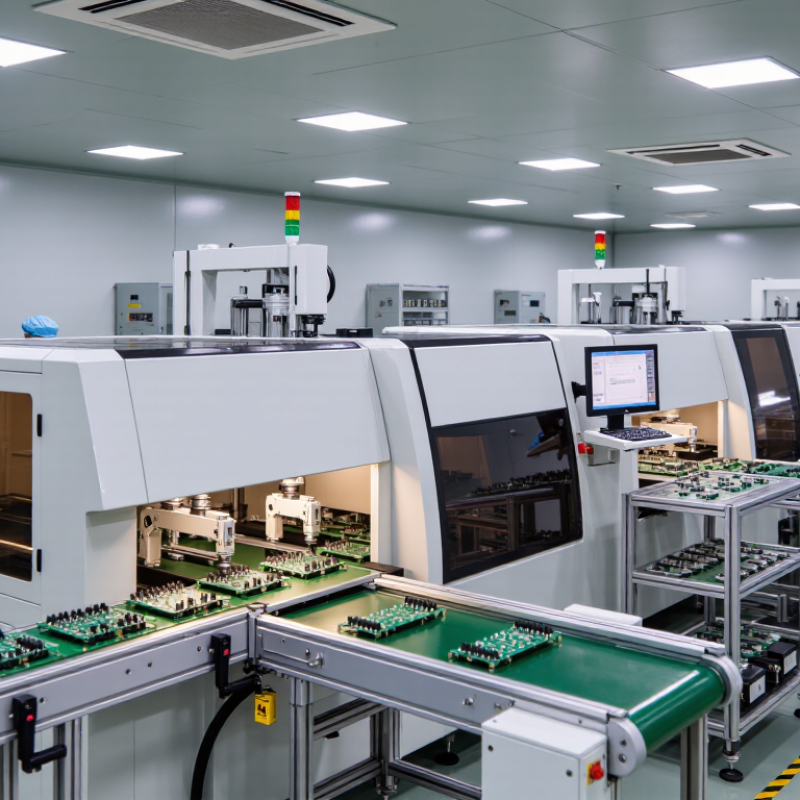
A surface-mount machine places electronic components directly onto solder-pasted pads on a printed circuit board. In a production line, a stencil printer applies paste, a pick-and-place machine positions components, and a reflow oven melts the solder. The board then moves through inspection. Small parts can be smaller than a grain of rice.
Placement depends on feeders, nozzles, machine vision, and a carefully prepared board. Cameras check component orientation and alignment before placement; the oven’s temperature profile helps form reliable solder joints. One detail is easy to underestimate: a fast placement machine cannot fix uneven solder paste or poorly maintained feeders. The whole line matters.
Prismark’s 2024 industry review reported that global PCB production value fell to about US$68.4 billion in 2023. That figure describes the board market, not machine sales, but it shows the scale of electronics manufacturing these lines serve. For a factory, the right setup depends on board size, component range, changeover frequency, and inspection needs. Higher speed sounds attractive, yet frequent product changes can make flexibility more valuable. There is no perfect setting for every factory.
How Are Surface Mount Machine Manufacturers Evaluated?
Choosing a surface mount machine manufacturer in China requires more than comparing quoted placement speeds. MarketsandMarkets’ 2023 Surface Mount Technology Market report estimated growth from USD 5.1 billion in 2023 to USD 7.3 billion by 2028. That signals rising demand, not proven machine quality. Buyers should request measured accuracy and repeatability results under IPC-9850, rather than relying on brochure figures. Test with actual components and board designs. Small parts matter.
Assess throughput alongside changeover time, feeder compatibility, downtime, and local service response. Ask for a factory acceptance test using a representative board, then compare the placement data with agreed tolerances. A Cpk of 1.33 is a common process-capability reference, not a universal pass mark for every machine. Request the test conditions and raw results. Check spare-part lead times and technician availability in writing. A fast machine can still be a poor fit when product changeovers are frequent. I would also question any evaluation based on a single demonstration run; it may hide variation across shifts. Evidence beats promises.
How Do Chinese Manufacturers Compare in Technology and Support?
Comparing Chinese surface-mount machine manufacturers is less about impressive specifications and more about proven performance on your actual boards. A useful technology check is a production trial using components, feeder types, and board sizes similar to yours. Watch placement accuracy, changeover time, and how often operators need to intervene. Inspect the feeder setup and software workflow, not just the machine’s exterior. Ask for test results and clarify how accuracy was measured. Numbers matter. A polished demonstration can hide setup time and the learning curve for new operators.
Support deserves the same scrutiny. Ask how quickly technicians respond across your time zone, what training is included, and which spare parts are stocked locally. Request a sample maintenance schedule and a clear escalation process for faults. A fast reply is helpful, but practical advice matters more: can support staff diagnose an error from machine logs or a short video? Check whether installation guidance covers calibration, feeder maintenance, and software updates. No service plan is perfect. Even experienced teams can overlook a small detail, so compare written commitments with references from customers running similar production volumes.
Who Is the Best Surface Mount Machine Manufacturer in China?
Suggested Evaluation Weights for Comparing Technology and Support
These percentages are a suggested buyer scoring framework, not measured market data or ratings of Chinese manufacturers. Compare suppliers using documented specifications, production trials, and written service commitments; the best choice depends on your production needs.
How Can Buyers Identify the Best Manufacturer for Their Needs?
Buyers should judge a surface mount machine manufacturer by evidence from their own production needs, not brochure speed. List the boards, components, changeover frequency, and placement accuracy your line requires. Then request a trial using a representative board and real components. Check placement results, feeder setup, changeover time, and inspection records. Ask how the supplier verifies accuracy and handles service calls. A fast demo is not enough.
The International Federation of Robotics’ World Robotics 2024 report records 541,302 industrial robots installed worldwide in 2023, with Asia accounting for about 70 percent. This reflects a large automation market, but it is not an SMT placement-speed benchmark. Keep that distinction clear.
Compare quoted output with a timed trial on your own board, including stoppages and changeovers. Ask for documented acceptance criteria, spare-parts lead times, operator training, and local technical support. Check whether software can trace placement and production data. Numbers need context. I would not treat a polished demo as proof; even a careful trial may miss the headaches of daily changeovers. Request references from factories with similar board complexity, then verify the details directly.