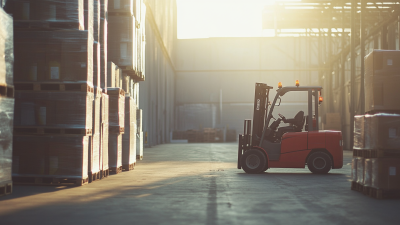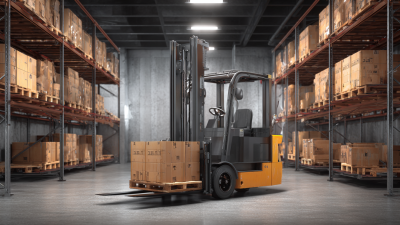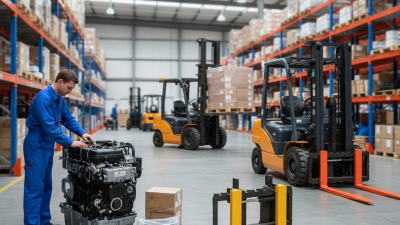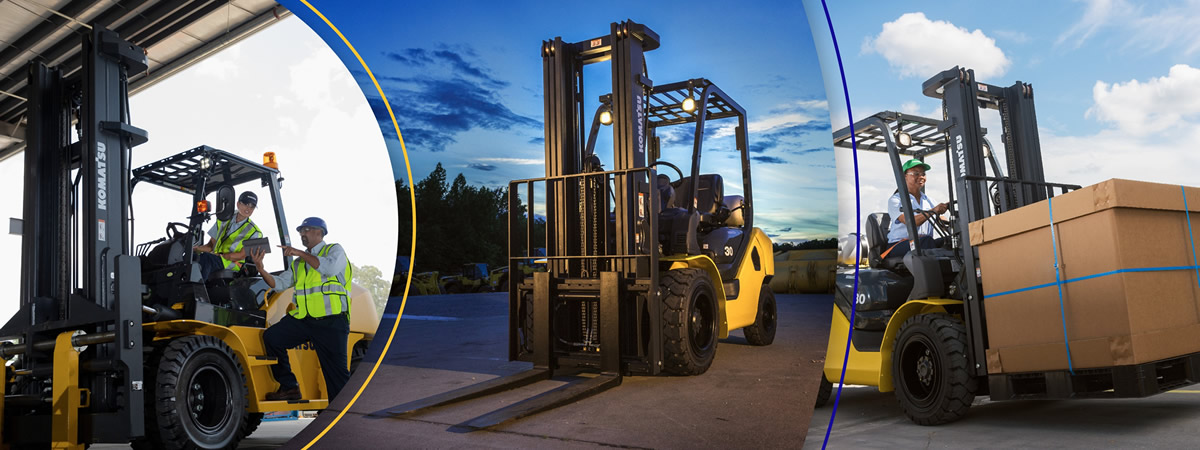
three part picture of forklifts

7 Best Used Electric Forklifts to Buy in 2026

Choosing a Used Electric Forklift in 2026 means weighing more than its purchase price. The right machine should suit your loads, aisle widths, shift length, and charging setup. A compact three-wheel model may maneuver neatly indoors, while a four-wheel truck can offer steadier handling on broader routes. Small differences matter.

This guide highlights seven used electric forklifts worth considering across common warehouse and industrial tasks. It focuses on practical buying questions: battery age and condition, estimated run time, charger compatibility, rated capacity, mast lift height, and availability of service records. Inspect the forks, tires, hydraulics, controls, and safety features in person whenever possible. A clean exterior is not proof of a sound machine.

Condition varies, even within the same model year. Ask for maintenance history and arrange a qualified inspection before committing. If a seller cannot verify battery performance, budget for testing or replacement; that cost can change the deal substantially. There is no single best choice. A low-hour truck may still have a tired battery, and a well-used machine may be a better fit if its service history is clear. These recommendations are a starting point, not a substitute for checking your own workload, facility requirements, and local service support.
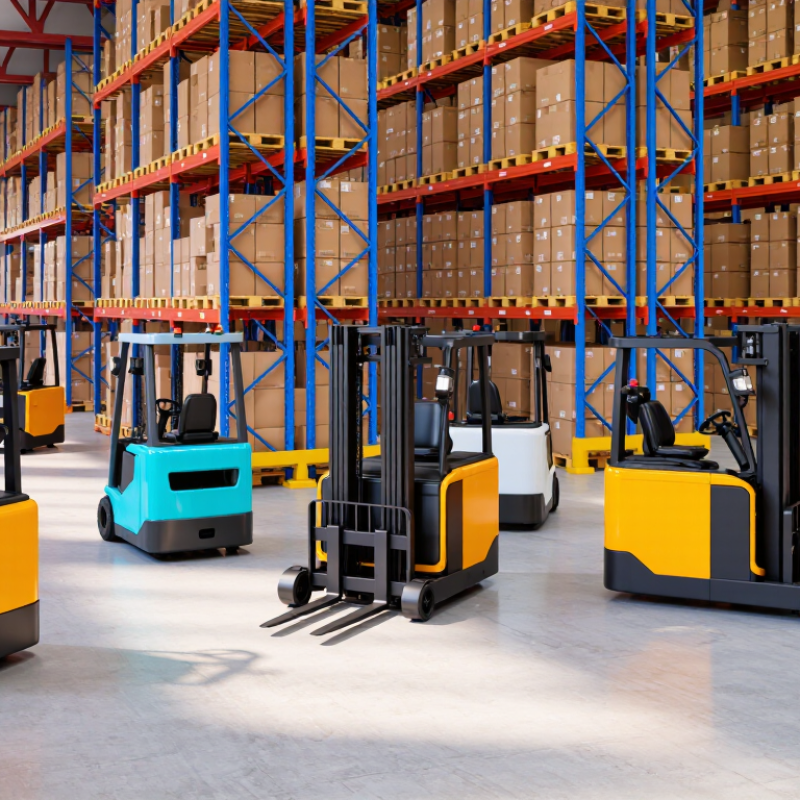
7 Best Used Electric Forklifts to Buy in 2026

Used Electric Forklift Selection Criteria for 2026

For a used electric forklift in 2026, judge the battery by measured capacity, not the dashboard’s “full” light. Ask for a recent load test and service records. During a trial, lift a representative load, travel across the actual floor, and watch for sudden voltage drops or sluggish hydraulics. Check battery age, cell condition, charger compatibility, and whether your shift allows charging time. Small details matter.

Inspect the mast, forks, tires, brakes, and steering under load, then compare the machine’s rated capacity with your heaviest pallet and lift height. OSHA’s Powered Industrial Trucks guidance estimates that forklifts cause about 85 fatal accidents and 34,900 serious injuries annually in the United States.That makes functioning safety features and a documented inspection history essential, not optional. Verify the horn, lights, seat belt, and operator-restraint system. Numbers help, but a brief yard test cannot reveal every fault.

Ask an independent technician to inspect the truck before purchase. A battery replacement can outweigh an attractive purchase price, so request a written estimate and warranty terms. I would also check parts availability and charger access at the intended site. A low-hour meter is reassuring, but not proof; storage conditions and charging habits can tell a less convenient story.
Best Compact Used Electric Forklifts for Tight Spaces

In tight warehouses, compact used electric forklifts can turn narrow aisles into workable routes. Three-wheel counterbalance models often offer a small turning radius for pallet moves near shelving. Stand-up reach trucks suit taller racks, but need smooth floors and careful operator training. Measure twice. Compare the machine’s published turning radius with your aisle width, then leave room for the load to swing. A few inches can decide whether a turn feels controlled or awkward.

Check the mast’s lowered height against doorways, sprinklers, and trailer openings. Inspect tires for uneven wear, forks for cracks or bends, and hydraulics for leaks or drift. Battery condition matters: ask for service records and a load test, not just a dashboard charge reading. That detail is often missing. Also confirm the charger is included and compatible with the battery. A short test drive should reveal sluggish steering, weak lifting, or unusual noise. Used machines may look tidy while hiding costly wear, so bring a qualified technician if records are incomplete. There is a trade-off: the smallest truck may carry less or lift less high than your workflow requires. Check the actual load weight and rack height before choosing.

7 Best Used Electric Forklifts to Buy in 2026 — Best Compact Used Electric Forklifts for Tight Spaces
Rank Forklift Type Best For Typical Rated Capacity Typical Maximum Fork Lift Typical Overall Width Typical Turning Radius
1 Three-wheel electric counterbalance Compact indoor aisles, frequent turns, and general pallet handling 1,000–1,800 kg (2,200–4,000 lb) 3.0–6.0 m (10–20 ft) 0.95–1.15 m (37–45 in) 1.35–1.75 m (53–69 in)
2 Electric reach truck Narrow-aisle racking and stacking loads at greater heights 1,000–2,000 kg (2,200–4,400 lb) 5.0–11.0 m (16–36 ft) 1.10–1.30 m (43–51 in) 1.50–1.90 m (59–75 in)
3 Compact four-wheel electric counterbalance Indoor and light outdoor work where stability is a priority 1,500–2,000 kg (3,300–4,400 lb) 3.0–6.0 m (10–20 ft) 1.05–1.25 m (41–49 in) 1.65–2.00 m (65–79 in)
4 Stand-up electric counterbalance Short travel runs, frequent stops, and space-constrained loading areas 1,000–1,600 kg (2,200–3,500 lb) 3.0–6.0 m (10–20 ft) 0.90–1.10 m (35–43 in) 1.40–1.80 m (55–71 in)
5 Electric deep-reach truck High-density storage and racking that requires extended reach 1,000–1,600 kg (2,200–3,500 lb) 6.0–12.0 m (20–39 ft) 1.20–1.40 m (47–55 in) 1.60–2.00 m (63–79 in)
6 Electric walkie stacker Light-to-medium stacking and pallet movement in very narrow areas 1,000–1,600 kg (2,200–3,500 lb) 1.6–5.5 m (5–18 ft) 0.75–1.00 m (30–39 in) 1.30–1.70 m (51–67 in)
7 Electric order picker Piece picking from elevated storage locations; not general pallet stacking 1,000–1,500 kg (2,200–3,300 lb) platform load 2.0–10.0 m (7–33 ft) platform height 0.80–1.20 m (31–47 in) 1.40–1.90 m (55–75 in)

Specifications are indicative ranges for common equipment configurations, not guaranteed values for any individual used forklift. Actual capacity, dimensions, turning radius, and lift height vary by configuration and condition. Before buying, check the data plate, load chart, mast, tires, and battery condition; confirm that the truck fits your aisle and load requirements.

Best Used Electric Forklifts for General Warehouse Work

For general warehouse work, match the forklift to aisle width, floor condition, and load size—not just its advertised capacity. A three-wheel counterbalance truck can turn tightly around pallet ends; a four-wheel model may feel steadier on longer, uneven routes. For high racking, a reach truck can reduce aisle space, but only if operators have room to position loads safely. Check the data plate against your heaviest pallet, including attachments. A fresh coat of paint proves little.

Battery condition can make or break a used electric forklift. Ask for a recent capacity test, inspect cables and connectors, and watch the truck lift a real load through a full working cycle. The U.S. Department of Energy’s Alternative Fuels Data Center identifies electric forklifts as having zero tailpipe emissions at the point of use—a practical benefit in enclosed warehouses. Still, charging space and downtime matter. A weak battery may look fine during a short demonstration. That’s the awkward part. Record lift hours, service history, charger compatibility, and any uneven tire wear before comparing prices.

Best Heavy-Duty Used Electric Forklifts for 2026

For 2026, the best heavy-duty used electric forklifts are the ones that match the real load, floor, and shift pattern—not simply the highest advertised capacity. Compare seven useful profiles: 5,000-, 6,000-, 8,000-, and 10,000-pound counterbalance trucks; pneumatic-tire units for rougher yards; cushion-tire models for smooth indoor floors; and high-capacity electrics built for demanding, repeated lifts. Capacity changes with load height and attachment use. Check the data plate before deciding.

Condition matters more than a shiny repaint. Inspect the fork heels for wear, the mast for play, and the battery for corrosion, leaks, or damaged cables. Ask for maintenance records and confirm that the charger matches the battery. Then test the truck with a representative load: raise it to working height, travel, and brake on the actual floor surface. Watch for sluggish lift speed or unusual battery heating. Small clues count.

A used electric can be a strong choice in a warehouse where quiet operation and indoor air quality matter. Still, a tired battery may erase an attractive purchase price. Request a battery capacity test, not just a voltage reading, and compare estimated runtime with your shift length. I would leave room for doubt: past performance is useful, but it cannot guarantee tomorrow’s workload.

How to Inspect and Price a Used Electric Forklift

A used electric forklift can look clean and still hide an expensive battery problem. Start with the data plate: confirm rated capacity, lift height, voltage, and attachment weight. Then test the truck under load. Watch for slow lifting, jerky travel, warning lights, or a sharp voltage drop. Check the mast rollers, forks, tires, brakes, and charger cable for uneven wear or damage. OSHA requires forklifts to be examined before service at least daily; use that inspection discipline before buying, too.

Battery condition should shape the offer. Ask for the battery’s age, service records, and a recent capacity test, not just a dashboard charge reading. The U.S. Department of Energy reported lithium-ion pack prices of about $139 per kilowatt-hour in 2023, roughly 90% below 2008 levels. That is useful context, not a forklift battery quote: industrial packs, installation, and compatibility can change the real replacement cost. Get a written estimate for the exact battery and charger.

Price the truck against comparable listings with similar capacity, mast, hours, and battery chemistry. Adjust for repairs you can document, then leave room for unknowns. A shiny repaint proves little. I would not pay extra for low displayed hours without checking the hour meter and maintenance log. Small defects add up. If the seller refuses a cold-start test or battery assessment, pause; I might still miss something, but guessing is worse.