three part picture of forklifts

What Is a Chenglong Emergency Vehicle Used For?

A Chenglong Emergency Vehicle is built to move people, equipment, and vital services when ordinary transport cannot respond quickly enough. It may serve as a fire rescue truck, ambulance support vehicle, mobile command unit, water carrier, or emergency supply carrier. Its role depends on the body design, chassis configuration, payload, and onboard equipment.

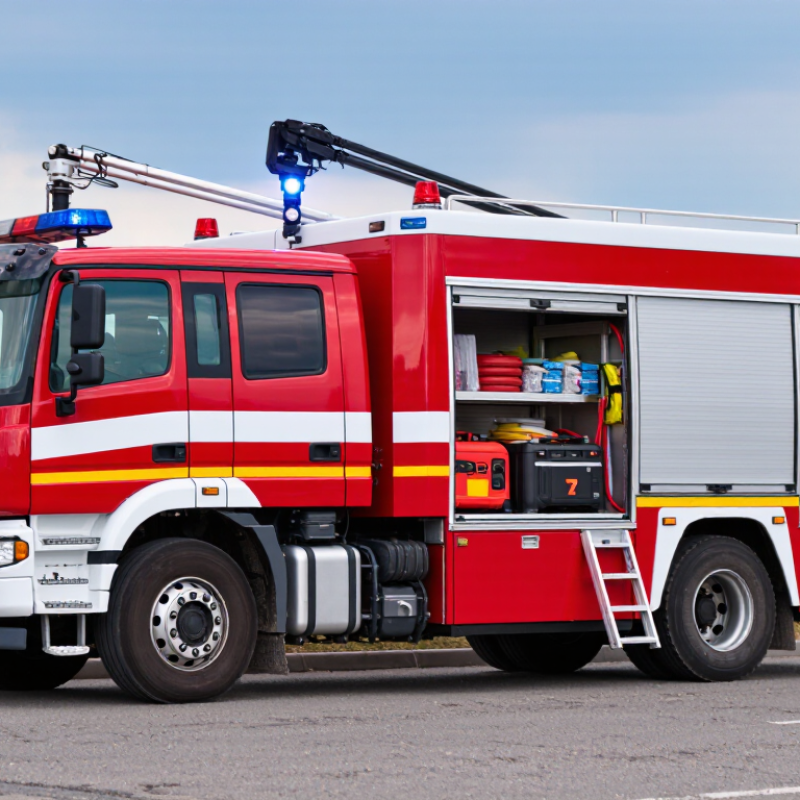
Wang Jun, a commercial-vehicle engineer familiar with Chenglong truck applications, explains, “An emergency vehicle must remain dependable when roads, weather, and time create pressure.” This practical view highlights more than engine power. A Chenglong Emergency Vehicle may need reinforced suspension, strong braking performance, reliable electrical systems, warning lights, communication tools, and organized storage compartments. Inside, cabinets may hold medical kits, hoses, generators, ropes, or protective clothing. The exterior may include scene lighting and access steps for faster work.

However, no vehicle solves every emergency. A heavy rescue truck may struggle on narrow streets. A large water tank may reduce available payload. Complex equipment can also increase maintenance demands. These limitations deserve honest attention.

The best choice starts with the mission. Operators should examine terrain, climate, response distance, crew size, and equipment weight. They should also review training requirements and service support. In real conditions, a dependable vehicle is not merely impressive. It must start quickly, carry safely, and remain manageable under stress. That is where the Chenglong Emergency Vehicle can provide practical value, when properly specified and maintained.
What Is a Chenglong Emergency Vehicle Used For?

What Is a Chenglong Emergency Vehicle?

An emergency vehicle is a specially configured truck built for urgent response work. It may carry medical supplies, rescue tools, water tanks, power equipment, or communication systems. The exact layout depends on its mission. Some models support roadside rescue, while others serve fire teams, disaster crews, or mobile medical units. A strong chassis, stable handling, and reliable braking are essential when roads are damaged or crowded.

In practical use, operators may load stretchers, oxygen equipment, cutting tools, protective clothing, and portable lights. Storage must keep every item secure but quickly reachable. The vehicle can also provide lighting during a night rescue or electricity after a storm. However, equipment weight affects balance and fuel use. That detail is easy to overlook. Experienced crews inspect tire pressure, warning lights, radios, and compartments before departure. A written inspection record improves accountability, although busy teams may still miss small faults.

Tips: Match the vehicle to its actual duty, not its appearance. Check local emergency standards before purchasing or modifying it. Keep heavy tools low and secure loose equipment. Train every driver on braking distance, turning space, and limited visibility. Test communication equipment regularly. A short road exercise can reveal problems that a parked inspection cannot. Safety planning should involve mechanics, drivers, and field responders, because each group notices different risks.

Which Emergency Response Tasks Can It Perform?

A Chenglong emergency vehicle is designed to support demanding emergency response tasks in difficult conditions. Its large chassis can carry rescue tools, water, medical supplies, protective clothing, and communication equipment. This capacity helps crews reach industrial sites, highways, rural areas, and disaster zones with essential resources.

Which emergency response tasks can it perform? Depending on its configuration, the vehicle may support firefighting, road rescue, flood response, and emergency medical assistance. Crews can use onboard pumps and tanks to control fires, while hydraulic tools may help remove damaged vehicle doors. During floods or severe storms, it can transport personnel, portable generators, lighting systems, and relief materials. Some configurations also function as mobile command units, giving team leaders a stable space for radio coordination and situation tracking.

Its value depends on preparation, not size alone. Trained operators must inspect pumps, hoses, tires, warning systems, and medical equipment before deployment. Local emergency procedures also determine what the vehicle can legally and safely do. It may perform poorly on narrow roads, unstable ground, or routes with low bridges. That limitation matters. A powerful vehicle still needs accurate dispatch information, skilled crews, and regular maintenance. Small oversights can delay a rescue.

What Is a Chenglong Emergency Vehicle Used For? - Which Emergency Response Tasks Can It Perform?
Response Category Emergency Response Task How the Vehicle Supports the Task Operational Notes
Fire and Rescue Firefighting Support Carries firefighting equipment such as hoses, portable pumps, extinguishers, water tanks, breathing apparatus, and hand tools. The vehicle can transport personnel and equipment to the incident area. Configurable
Water capacity and pump specification depend on the vehicle body and mission design.
Fire and Rescue Urban Search and Rescue Provides space for rescue tools, cutting equipment, lifting devices, ropes, lighting systems, protective clothing, and temporary scene-support supplies. Suitable
Best used with trained rescue teams and dedicated equipment.
Medical Response Emergency Medical Transport A properly equipped conversion can carry medical personnel, stretchers, first-aid supplies, oxygen equipment, monitoring devices, and patients requiring urgent transport. Conversion-based
Medical layouts and equipment must comply with applicable local regulations.
Medical Response On-Site First Aid Can be configured as a mobile treatment or first-aid unit for basic assessment, wound care, casualty triage, oxygen support, and preparation for hospital transfer. Configurable
It is not a substitute for a hospital or advanced clinical facility.
Traffic Incidents Road Crash Response Transports rescue crews and equipment for vehicle stabilization, casualty access, traffic-scene lighting, debris removal, and initial hazard control. Suitable
Response teams should coordinate with police, medical services, and road authorities.
Hazardous Conditions Hazardous-Material Support May carry chemical protective clothing, detection instruments, containment materials, absorbents, decontamination supplies, and warning equipment. Specialized
Actual hazardous-material capability depends on certified equipment and crew training.
Disaster Relief Flood and Storm Response Supports evacuation, delivery of emergency supplies, portable lighting, water removal, communications, and transport of personnel during floods, storms, or severe weather events. Mission-dependent
Ground clearance, traction, and payload must match local terrain and weather conditions.
Disaster Relief Earthquake and Structural Emergency Support Carries generators, lighting towers, power tools, shoring materials, lifting equipment, emergency shelters, and supplies for temporary field operations. Suitable
Structural rescue requires specialist assessment and properly trained personnel.
Command and Control Mobile Incident Command Can be fitted with radios, satellite or cellular communication systems, workstations, mapping tools, display screens, and power systems for coordinating emergency teams. Configurable
Communication coverage depends on local networks and installed systems.
Logistics Emergency Equipment Delivery Transports rescue personnel, fuel, food, water, medical supplies, temporary barriers, spare equipment, and other resources between the depot and incident site. General-purpose
Payload must remain within the approved vehicle limits.
Public Safety Perimeter and Evacuation Support Supports cordon setup, evacuation operations, public-address announcements, warning-light deployment, temporary shelter logistics, and controlled access to hazardous areas. Suitable
Public-safety procedures must follow the incident command plan.
Power and Lighting Emergency Power Supply A utility configuration can include a generator, batteries, power distribution equipment, floodlights, and cable management for temporary lighting and essential field operations. Optional
Electrical systems require appropriate protection, grounding, and operator training.

What Main Features Support Its Emergency Operations?

An emergency vehicle is designed to reach dangerous scenes quickly and support trained responders. It may transport medical teams, rescue equipment, communication tools, and temporary lighting. Its purpose can include road accidents, fires, floods, industrial incidents, and urgent medical calls. Every compartment should have a clear function. During a night response, bright scene lights can illuminate broken glass, while reflective markings help other drivers notice the vehicle sooner.

Main features support safe and organized operations. A reinforced body protects essential equipment during difficult travel. High ground clearance can help on muddy roads or uneven access routes. Powerful warning lights and an audible alert system improve visibility, but drivers still need judgment. Inside, secure storage prevents oxygen cylinders, tools, and medical cases from shifting during sudden braking. Reliable radio communication helps teams share location details and changing hazards. Some vehicles also include climate control, backup power, non-slip flooring, and washable surfaces. These details seem small. They matter under pressure.

Tips: Check equipment positions before every shift. Test lights, radios, batteries, and door locks. Keep walkways clear. Clean high-touch surfaces after each operation. Do not overload storage compartments. I have found that realistic drills reveal weak points, especially poor lighting or confusing labels. A capable vehicle is not automatically a safe one. Its performance depends on maintenance, crew training, road conditions, and disciplined use.รีเมียร์Twitter

Where Is a Chenglong Emergency Vehicle Commonly Used?

A Chenglong emergency vehicle is commonly used where rapid response, heavy equipment, and dependable transport are necessary.

It often serves municipal rescue teams, highway maintenance units, industrial facilities, construction areas, and rural communities. Its strong chassis can support rescue tools, water tanks, lighting systems, or communication equipment, depending on the configuration.

On busy highways, crews may use it after collisions, severe weather, or vehicle breakdowns. Industrial zones often rely on similar vehicles for fire support, first aid transport, and equipment recovery.

In remote villages, the vehicle can carry personnel and supplies across rough roads that smaller vans may struggle to manage. It is also useful near ports, warehouses, tunnels, and large public events. Conditions differ widely.

Tips: Check the road surface before deployment. Confirm the payload and equipment layout. Keep emergency lights, radios, and medical supplies accessible. Local operators should receive practical training, not only classroom instruction.

A common mistake is treating every emergency vehicle as a universal solution.

A large truck may reach difficult areas, but narrow streets can limit its movement. Fuel use, turning space, maintenance access, and weather conditions also affect performance. From field experience, a careful route survey often prevents delays. The equipment may be excellent, yet poor preparation can still reduce its value.

How Is It Configured for Different Rescue Needs?

What Is an Emergency Vehicle Used For?

How Is It Configured for Different Rescue Needs?

An emergency vehicle is a mobile work platform, not simply a truck with flashing lights. Its configuration changes with terrain, incident type, crew size, and response distance. A road-rescue vehicle may carry hydraulic cutters, spreaders, stabilization struts, medical kits, and high-visibility lighting. Its storage must keep heavy tools low and accessible, especially beside a damaged vehicle.

Fire and rescue planning should follow evidence, not appearance. The World Health Organization reported about 1.19 million annual road-traffic deaths in its Global Status Report on Road Safety 2023. That risk supports quick medical access, scene lighting, and protected equipment compartments. NFPA’s U.S. Fire Loss 2023 report recorded about 1.39 million fires, showing why thermal protection, breathing-apparatus storage, and reliable water equipment matter.

Flood response needs sealed electrics, traction aids, recovery points, and portable pumps. Urban rescue may require a compact body, radios, battery lighting, and patient-access space. Wildland operations often need larger water capacity and heat-resistant equipment.

The difficult part is balance. More equipment can reduce payload, visibility, or crew movement. A vehicle may look fully equipped yet perform poorly when drawers jam or tools are too heavy. Operators should test layouts during drills, record access times, and revise the configuration after real incidents. Even small failures matter.