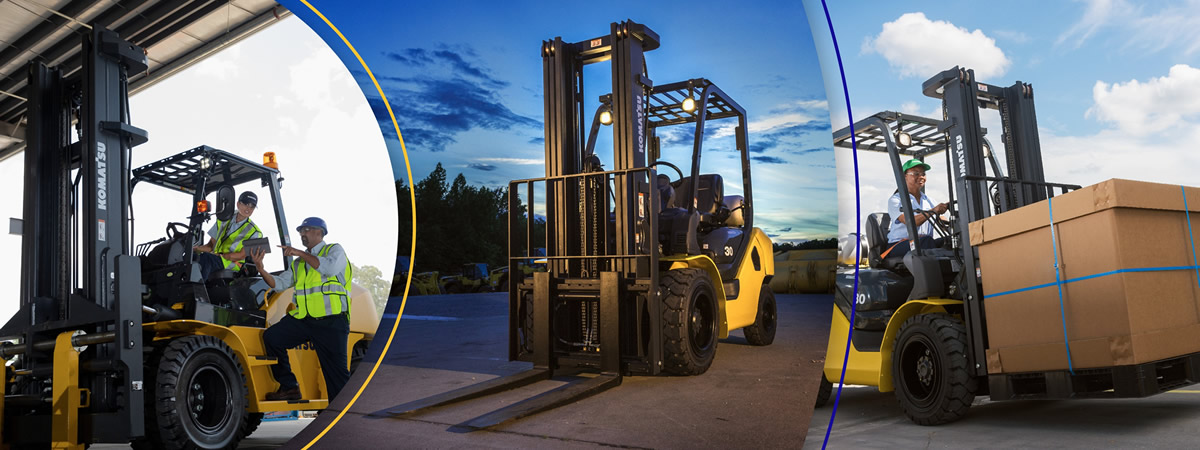
three part picture of forklifts

China Top 10 Forklift Course Providers for Global Buyers

Choosing a Forklift Course provider is not simply a matter of comparing prices or collecting certificates. Global buyers need training that prepares operators for real equipment, real loads, and the conditions they face at work. As former OSHA Assistant Secretary David Michaels has emphasized, “Every worker has a right to a safe workplace.” That principle gives buyers a practical starting point: ask how learners are taught, assessed, and supported after training.

This guide introduces ten providers serving international buyers. It considers course scope, hands-on practice, instructor qualifications, language options, delivery formats, and the clarity of completion records. A polished website can help, but it cannot show whether a learner has practiced turning with a raised load or checking a truck before use. Details matter. So does local fit. A provider’s course may be strong, yet still require adaptation to a buyer’s equipment, workplace procedures, or language needs.

Buyers should verify current course details directly with each provider. Availability, assessment methods, and recognition can change by location. This comparison is a starting point, not a guarantee that one provider suits every site. That limitation matters. Training quality is difficult to judge from a course outline alone, and even a thorough review can miss what happens on the warehouse floor. The strongest choice is one buyers can question, observe, and assess against their operators’ actual tasks.
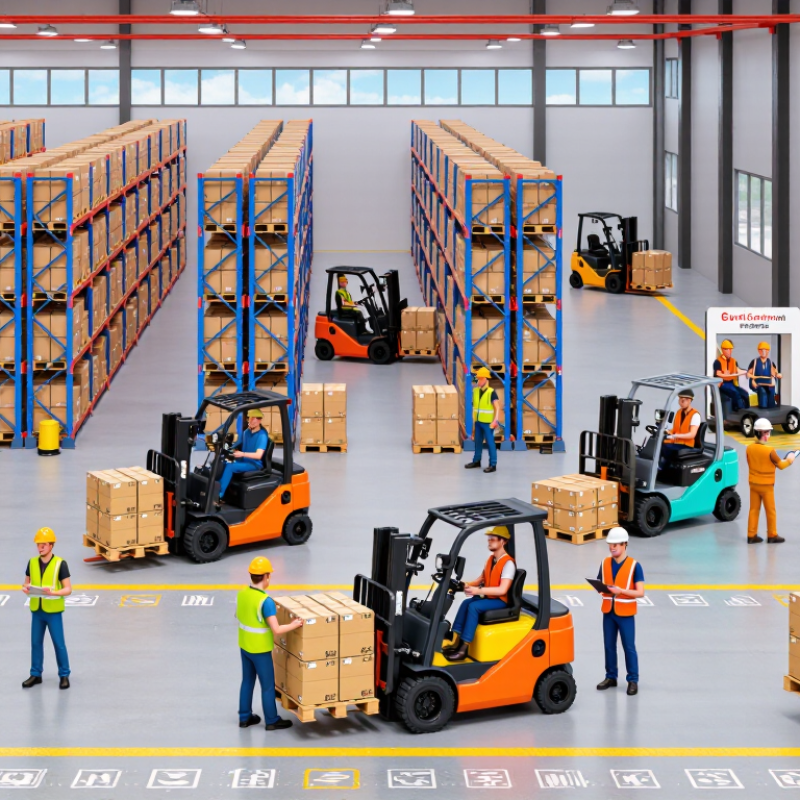
China Top 10 Forklift Course Providers for Global Buyers

Forklift Training in China: Course Types and Core Skills

China Top 10 Forklift Course Providers for Global Buyers

Forklift Training in China: Course Types and Core Skills

Buyers comparing forklift training in China will usually find introductory operator courses, refresher sessions, and task-specific modules. Introductory lessons cover truck controls, load handling, stability, pedestrian awareness, and pre-use checks. Refresher courses help experienced staff correct habits that may have drifted over time. Some programs address narrow aisles, ramps, or warehouse layouts. Course names vary, so review the syllabus rather than relying on the label.

Good training combines classroom instruction with supervised practice. Trainees should inspect forks, tires, brakes, warning devices, and visible fluid leaks before operation. They also need to read capacity information, position forks evenly, travel with stable loads, and park safely. Practice matters. Include realistic turns and stopping distances, not only empty-floor driving. A short assessment can reveal gaps, but it cannot replace ongoing supervision. Local operating requirements differ, so confirm that course content and certificates meet the rules where the equipment will be used. That detail is easy to overlook.
How to Evaluate Chinese Forklift Course Providers

Choosing a Chinese forklift course provider requires more than comparing prices. Define the work your operators will do, the forklift types they will use, and the language they understand best. Ask for a course outline showing classroom hours, supervised practice, and assessment methods. A useful program should cover daily inspections, load stability, pedestrian awareness, and safe maneuvering in tight spaces. Ask how instructors handle different experience levels. Request a sample lesson or assessment sheet. Ask for proof.

Check whether practical training uses equipment similar to yours, including comparable controls and attachments. Confirm class size and how much individual practice each learner receives. Ask how completion records are issued and whether the course documentation will meet your organization’s needs in the destination market. Recognition can vary, so verify requirements with the relevant local authority or employer rather than relying on a provider’s broad claims.

Look beyond the brochure. Speak with past international clients, review sample materials, and, when practical, observe a training session. Ask how the provider updates lessons when equipment or workplace risks change. A polished presentation is not proof of strong teaching. Even a well-designed course may need adaptation for your site, shift patterns, or learners’ language skills. Be candid about those gaps before signing.

China Top 10 Forklift Course Providers for Global Buyers - How to Evaluate Chinese Forklift Course Providers

Buyer evaluation scorecard: This is a practical comparison framework, not a verified ranking of named providers. The suggested weights are buyer-defined evaluation priorities, not market statistics. Confirm all credentials and course details directly with each provider and the relevant authorities in your destination country.

No. Evaluation dimension Suggested weight What global buyers should verify Evidence to request Buyer score
1 Recognition in the destination country 15% Check whether the course or certificate meets the operator-training rules and employer requirements where the forklift will be used. A training certificate issued in China does not automatically authorize operation in another country. Written confirmation of recognition, the applicable local rule or standard, and any required local assessment or licensing steps. 0–5
2 Curriculum and safety coverage 12% Look for instruction covering operating principles, pre-use checks, load handling, stability, pedestrian awareness, workplace hazards, parking, and emergency procedures. Confirm that content matches the truck type and intended work environment. Detailed syllabus, lesson hours, learning objectives, safety materials, and sample assessment questions. 0–5
3 Hands-on practice and equipment 12% Verify how much supervised practical training is included and whether the equipment reflects the machines trainees will operate. Ask how practical exercises are conducted and how trainee performance is assessed. Equipment list, practice schedule, training-site details, instructor-to-trainee arrangements, and practical test rubric. 0–5
4 Instructor qualifications and experience 10% Check instructors’ relevant operating, teaching, and safety experience. Confirm that qualifications are current and appropriate for the equipment and course scope. Instructor profiles, qualification records, relevant experience, and details of any required refresher training. 0–5
5 Language and localization 10% Confirm the teaching language, availability of interpreters, and whether manuals, safety instructions, and tests are supplied in a language trainees can understand. Sample translated materials, language options, interpreter arrangements, and a written statement of the course language. 0–5
6 Assessment and certificate details 10% Determine whether the course includes both knowledge and practical assessments. Clarify what the certificate proves, who issues it, its validity period if applicable, and whether it records the equipment category. Assessment criteria, sample certificate with personal data removed, issuer details, and retake or renewal policy. 0–5
7 Course customization 8% Assess whether content can be adapted for the buyer’s truck types, site risks, trainee experience, and local operating procedures without omitting essential safety instruction. Customization options, a sample tailored course outline, and a written description of what is included in the quoted scope. 0–5
8 Documentation and traceability 8% Confirm that attendance, assessment outcomes, course version, and certificate records can be documented and retained in a format suitable for the buyer’s compliance process. Sample attendance record, assessment record, certificate register process, and document-retention policy. 0–5
9 Post-course support 8% Check how the provider handles certificate corrections, document questions, refresher training, and follow-up support after trainees complete the course. Support contact details, response-time commitment, refresher options, and stated terms for corrections or replacement documents. 0–5
10 Commercial terms and delivery planning 7% Compare the full scope, schedule, trainee capacity, cancellation terms, travel costs, and any translation or assessment fees. Clarify whether training takes place in China, at the buyer’s site, or online where appropriate. Itemized quotation, delivery plan, class-size limits, payment terms, cancellation policy, and a list of exclusions. 0–5

Profiles of China’s Top 10 Forklift Course Providers

China’s forklift course market includes several kinds of providers, each serving different training needs. These profiles describe ten common provider types, not a verified ranking of named companies. Vocational colleges often combine classroom lessons with supervised practice. Equipment-linked training centers may focus on operating and maintaining specific truck configurations. Independent safety schools tend to emphasize hazard recognition, load stability, and daily inspection routines. Technical institutes can offer deeper instruction on batteries, hydraulics, and fault reporting. Some providers build courses around warehouse workflows, including narrow aisles and pallet handling. Others provide multilingual materials for overseas teams. Check the actual teaching language, not just the brochure.

Online-led providers offer flexible theory lessons, while practical centers supply floor time with real equipment. Regional schools may understand local warehouse conditions, though their course scope can vary. Corporate trainers can tailor sessions to a company’s fleet and worksite layout. Assessment-focused providers use checklists for steering, lifting, and parking tasks. Look for clear lesson plans, instructor experience, equipment access, and written assessment records. Ask how many practice hours each learner receives. Details matter. A polished certificate alone says little about hands-on competence, and course quality can differ even within one provider. Request a sample schedule and confirm what the quoted fee includes before choosing.

Training Formats, Certification, and Language Support for Global Buyers

For global buyers comparing the China Top 10 forklift course providers, training format matters as much as course length. Look for classroom or online theory paired with supervised practice on the truck type and attachments operators will actually use. A certificate earned after a slide presentation alone may leave gaps. Not just slides. Ask whether instructors assess pre-use checks, load handling, turning, parking, and emergency responses in realistic conditions.

Certification rules differ by destination. In the United States, OSHA’s powered-industrial-truck standard requires formal instruction, practical training, and workplace evaluation; operators must be reevaluated at least every three years. This is a useful benchmark, not a globally transferable license. Buyers should verify what the receiving employer or local authority accepts. The International Labour Organization’s 2023 report estimated 2.93 million work-related deaths and 395 million non-fatal work injuries annually worldwide. These figures cover all occupations, not forklifts specifically, but they underline why credible assessment matters.

Language support should extend beyond translated handouts. Check whether trainers can explain technical terms clearly, provide translated checklists, and assess understanding through demonstrations—not nods. Request sample course materials and confirm how interpreters are handled during practical exercises. A weakness in many provider comparisons is that they list languages but not assessment methods. That deserves a closer look. Ask for records showing training content, test results, and operator evaluation, then confirm that names, dates, and equipment details match your site’s documentation needs.

China Top 10 Forklift Course Providers for Global Buyers

A regulatory baseline for comparing training, certification, and language support. This chart compares requirements in three markets; it does not rank or report data for individual providers.

How to read: “Yes” indicates the feature is required or forms part of the applicable training and competence framework. “Formal credential” means employer certification in the United States, no nationally required operator licence in the United Kingdom, and a high-risk work licence for relevant forklift classes in Australia. Requirements vary by equipment, work activity, and jurisdiction.

Buyer tip: Ask providers to confirm the course language, assessment language, practical training hours, and whether their certificate is recognized where the operator will work.

References: U.S. OSHA 29 CFR 1910.178 · UK HSE: Lift-truck training · Safe Work Australia: High-risk work licence classes

How Global Buyers Compare Costs and After-Course Support

When comparing forklift course providers in China, global buyers should look beyond the advertised tuition. Request an itemized quote covering instructor time, training materials, equipment use, assessments, and any translation or travel charges. Ask whether the price changes with class size. A low quote can look efficient, but extra fees may appear later. That matters.

Compare what learners actually practise. A course may include classroom instruction but limited time operating a forklift. Ask how many supervised practice hours each participant receives, what equipment is used, and how competence is assessed. One easy mistake is comparing tuition alone; procurement teams can overlook practical training details when deadlines are tight. The cheapest option is not always the best value.

After-course support deserves equal attention. Check how quickly the provider answers questions, whether learners can access course materials afterward, and whether completion records are available in a format your team can verify. Ask about refresher guidance if operators need practice after returning to work. Get these commitments in writing, including response times and any additional fees. A clear support plan can prevent small uncertainties from becoming scheduling problems. Some details may still change, so confirm them before booking.