Choosing the China top Hengchang Quilting Machine manufacturer requires more than comparing prices. Buyers should examine stitch consistency, machine stability, service support, and how well the equipment fits their production needs. Small details matter. A clean test sample, even thread tension, and steady fabric feeding can reveal more than a polished brochure.
A trustworthy comparison should rely on verifiable specifications, factory demonstrations, and clear answers about maintenance. Ask how the machine handles your fabric, quilting pattern, and daily output target. Request sample runs. Check the finished surface closely. If possible, speak with existing users and confirm what support is available after installation. These steps help distinguish practical capability from sales claims.
No verifiable expert quotation or expert name was provided for this topic, so assigning a quote to a named person would risk misleading readers. Instead, this introduction uses a simple evaluation principle: judge a Hengchang Quilting Machine by observable performance and documented support, not reputation alone. That is not the whole story. A showroom test may not reflect long production shifts, and buyers should treat it as one useful check—not a guarantee. This article will explore the manufacturer’s strengths, selection criteria, and questions worth asking before a purchase.
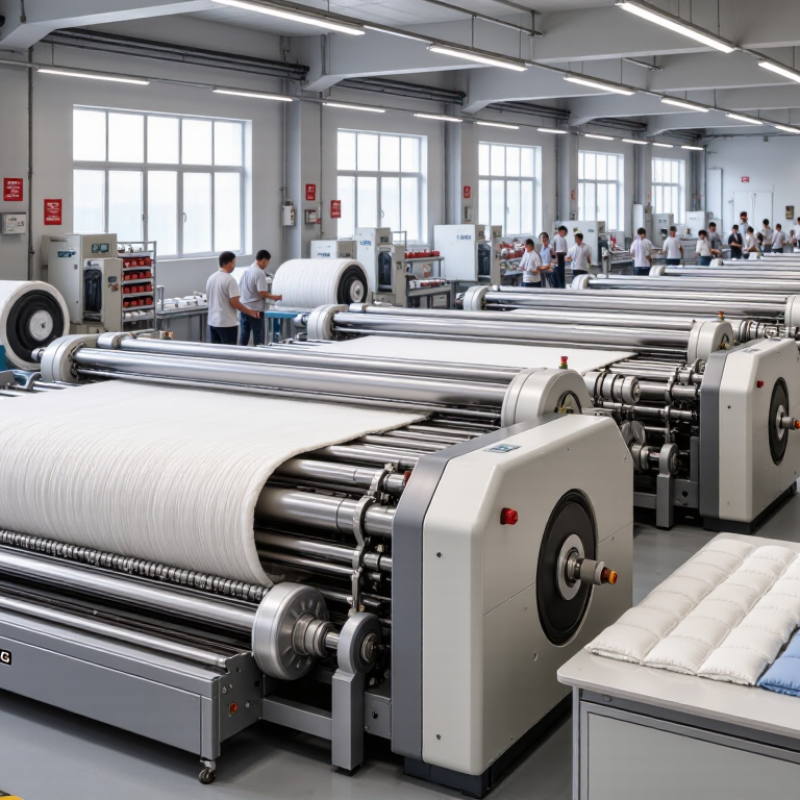
A quilting machine joins a quilt top, batting, and backing with rows of thread. Its frame supports the layers, while a needle bar drives the needle through them. The presser foot holds fabric steady. A bobbin supplies the lower thread, and the tension assembly balances both threads to form even stitches. On long-arm models, a moving carriage guides the sewing head across a stationary quilt. Controls may include speed adjustment and stitch regulation. Small parts matter. Incorrect tension can leave loose loops underneath or puckers around dense patterns.
Straight-line stitching creates clean channels and borders. Meander stitching follows a wandering path, filling open areas without sharp turns. Stippling uses tighter, smaller curves; echo stitching repeats a shape’s outline at regular intervals. Free-motion work gives the operator direct control, while regulated stitching helps keep stitch length consistent as the head moves. Quilting machines are used for bed quilts, wall hangings, and some padded textile panels. Dense batting may need slower stitching, and bulky seams can shift under the foot. It is tempting to chase perfect spacing, but fabric layers sometimes move despite careful setup. A test sample helps reveal tension or speed problems before they reach the finished piece.

| Category | Item | How It Works or What It Does | Typical Uses and Notes |
|---|---|---|---|
| Machine type | Domestic sewing machine with quilting function | Uses a conventional sewing-machine needle and feed system; a walking foot or free-motion foot may help manage quilt layers. | Suitable for small projects and quilts that fit within the machine’s throat space. |
| Machine type | Longarm quilting machine | A long throat provides room to move a quilt sandwich under the needle or move the sewing head across a stationary quilt on a frame. | Commonly used for larger quilts, edge-to-edge designs, and free-motion quilting. |
| Machine type | Industrial multi-needle quilting machine | Uses multiple needles and coordinated mechanisms to stitch repeated patterns across layered material; configurations vary by machine. | Used in production settings for items such as bedding, mattress panels, and quilted textiles. |
| Core component | Needle and needle bar | The needle carries the upper thread through the fabric layers. The needle bar moves the needle in a controlled up-and-down motion. | Needle type and size should suit the thread and fabric; the machine manual specifies compatible options. |
| Core component | Bobbin and hook | In a lockstitch machine, the hook catches the needle thread loop and interlocks it with thread supplied by the bobbin. | Correct threading, bobbin tension, and regular lint removal help maintain consistent stitches. |
| Core component | Presser foot and feed system | The presser foot holds material near the needle. Feed dogs move fabric through the machine on many conventional models; free-motion setups allow the operator to guide the quilt. | A walking foot helps feed multiple layers evenly; a free-motion foot is used for operator-guided designs. |
| Core component | Frame and fabric rollers | A frame supports the quilt layers. Rollers hold and tension the backing, batting, and quilt top as they are quilted. | Common on frame-based longarm systems; frame dimensions determine the working area. |
| Core component | Throat space | The open area between the needle and the machine body gives room for quilt material to pass or be maneuvered. | A larger throat can make it easier to handle bulky quilt sections, though machine setup and frame size also matter. |
| Stitch type | Lockstitch | Two threads interlock within the material: one from the needle and one from the bobbin. | Widely used for home sewing and many quilting applications; stitch formation depends on correct tension and threading. |
| Stitch type | Chainstitch | A looper forms a chain of interlinked thread loops, typically using needle thread and looper thread rather than a bobbin lock. | Used by some industrial quilting and sewing systems; stitch structure and machine design determine its suitability for a product. |
| Quilting method | Free-motion quilting | The operator moves the fabric or machine head to create a design while coordinating movement with the needle. | Used for curves, stippling, custom motifs, and other operator-guided patterns. |
| Quilting method | Computer-guided quilting | A control system directs the machine along a programmed design; available functions depend on the machine and its software. | Often used for repeatable motifs and edge-to-edge patterns on compatible frame-based systems. |
| Typical application | Bed quilts and household textiles | Quilting stitches join a top layer, batting or filling, and backing to help hold the layers together. | Pattern density and placement should suit the materials and the intended drape of the finished item. |
| Typical application | Apparel, bags, and padded products | Quilting can join and decorate layered materials used in garments and accessories. | Machine choice depends on material thickness, product dimensions, stitch pattern, and production volume. |
For industrial quilting, 1,000–3,000 stitches per minute is a useful comparison range, not a guaranteed production rate. Published quilting-machine specification sheets commonly list maximum speeds within this band. Actual output depends on fabric thickness, stitch length, needle choice, and pattern complexity.
A straight run through lightweight batting may approach the upper end. Dense layers and frequent direction changes usually call for slower operation. Maximum speed is not daily speed.
ISO 4915:1991 classifies stitch types but does not set a quilting-machine speed standard. That distinction matters when comparing equipment claims. Ask suppliers for test conditions, including material layers, stitch length, and whether speed refers to unloaded operation. Then run a sample using your own fabric stack.
Watch the needle area: skipped stitches, thread breaks, or uneven tension can signal that the setting is too aggressive. Small details matter.
A stable 1,600 stitches per minute may produce more usable quilts per shift than an inconsistent run at 2,800. The result may challenge your first estimate.
Record speed, defects, and downtime during trials.
A 2–6 mm stitch-length range supports both fine surface patterns and more open quilting lines. Shorter stitches can help hold dense fills together, while longer stitches create a more visible rhythm on broad designs. Test both settings on the actual fabric stack; batting thickness can change how stitches form.
Textile Exchange’s Materials Market Report 2024 estimates global fiber production reached 124 million tonnes in 2023. This figure describes the wider textile supply chain, not quilting-machine demand, but it shows the scale of materials manufacturers must process.
Working width determines how much fabric can pass beneath the machine in one run. Measure the widest product, then allow room for seams, edge handling, and occasional alignment errors. A wide frame is useful, but it may take more floor space.
Needle gauge usually refers to the spacing between needles on multi-needle equipment. Closer spacing suits tighter parallel patterns; wider spacing leaves more room between stitch rows. Check the intended pattern and fabric before selecting a gauge.
Tips: Run a sample with the same top fabric, batting, and backing as production. Inspect skipped stitches and puckering under bright light. Specs help, but they do not replace a real test. A tidy specification sheet can still hide setup issues.
Evaluating a quilting-machine supplier means checking output under real production conditions. Ask for hourly capacity using your fabric width, stitch pattern, and shift length. Request a live trial with your own material; a showroom sample may hide problems with slippage or uneven fill. Numbers need context. The International Federation of Robotics’ World Robotics 2024 report counted 541,302 industrial robots installed worldwide in 2023. That figure shows automation’s broad reach, not that every quilting line needs robots. Check whether automatic tension control, pattern changes, and fault alerts reduce stoppages on the actual machine.
Quality is visible in the details: consistent stitch spacing, straight seams, and few skipped stitches across a full-width panel. Ask for inspection records, acceptance criteria, and sample results from extended runs. A neat first piece is not enough. Service matters when a needle breaks mid-shift. Confirm spare-part availability, response times, operator training, and remote troubleshooting arrangements in writing. If possible, speak with a current user about downtime and repair delays. I would also question impressive capacity claims unless they include setup and changeover time. That extra check can feel tedious, but it often reveals what a brochure leaves out.
Quilting applications differ across mattress, bedding, and upholstery production. Mattress panels often use thicker foam and layered fabrics, so operators need consistent feed and needle penetration. A steady stitch pattern helps keep layers aligned during long production runs. Check fabric tension before increasing speed; small adjustments can prevent puckering and uneven seams. Details matter.
Bedding work usually involves lighter materials and larger decorative patterns. A clear pattern layout, accurate fabric guidance, and repeatable stitch spacing help create a neat finish across sheets and comforters. Regularly inspect the needle, thread path, and finished stitches. A skipped stitch can be easy to miss on a busy floor, but it may stand out on a broad panel.
Upholstery quilting must account for textured covers, foam backing, and designs that remain visible on chairs or sofas. Test a sample using the actual material stack before production. This reveals issues with thickness, tension, or pattern scale early. There is no perfect setup for every fabric, and a test piece may still need revision. Careful adjustments and recorded settings make repeat orders more consistent.
Content © 2025 Komatsu. All Rights Reserved