How to Choose UHP Graphite Electrode 500mm?
Choosing a Uhp Graphite Electrode 500mm is not simply a matter of matching furnace size. The electrode must carry the furnace’s working current while tolerating rapid heating, cooling, and mechanical stress. Small mismatches can show up as higher consumption, damaged joints, or avoidable downtime. Fit matters.
World Steel Association’s World Steel in Figures 2024 reports that electric arc furnaces produced about 28.6% of global crude steel in 2023. That figure underlines the importance of reliable electrode performance, but it does not specify which 500 mm product suits a particular furnace. Buyers should compare grade and measured properties, including electrical resistivity, bulk density, flexural strength, thermal expansion, and nipple compatibility. Check the manufacturer’s technical data against the furnace’s actual current, power profile, and operating conditions. Not diameter alone.
A sound comparison also examines traceability, test methods, delivery consistency, and the supplier’s response to operating problems. Ask for recent test certificates, not only a brochure. A polished specification can still leave questions.
No source material or verifiable quotation from a named 500 mm electrode specialist was provided, so attributing a quotation here would risk inventing one. This guide instead focuses on checkable data and practical selection criteria, while acknowledging that real furnace conditions can complicate even a careful comparison.
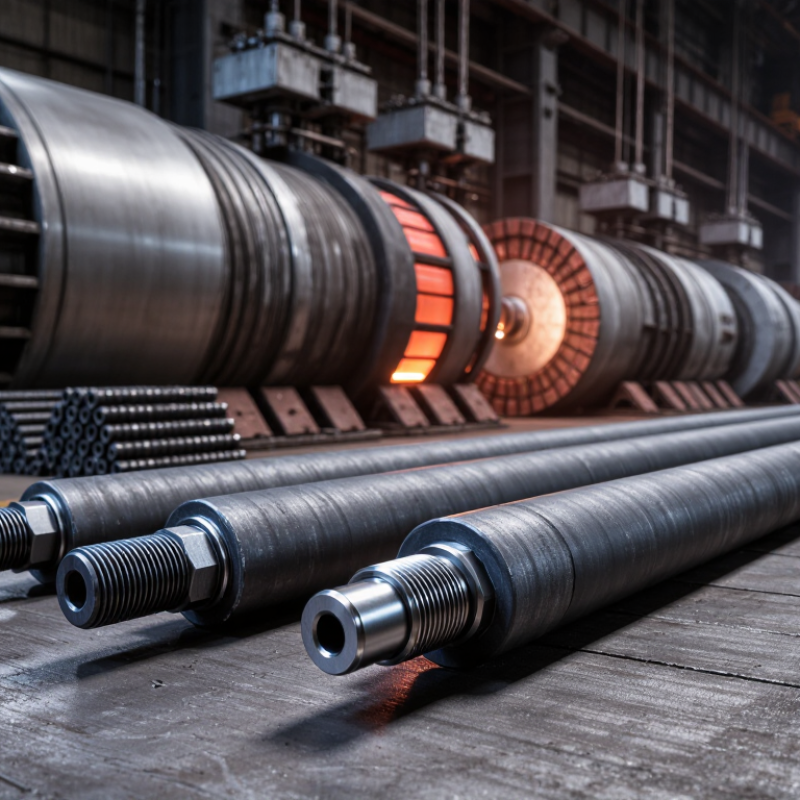
What Is a 500 mm UHP Graphite Electrode?
A 500 mm UHP graphite electrode is a large-diameter conductive rod used in ultra-high-power electric arc furnaces. “500 mm” refers to its nominal outside diameter, not its length or current capacity. The electrode carries electrical current to the arc and must withstand intense heat, thermal shock, and mechanical stress. UHP describes a performance class generally associated with low electrical resistivity and suitability for high current densities. Exact values depend on the product specification, so the grade name alone does not tell the whole story. Important distinction.
In practical selection, diameter must be considered alongside electrode length, nipple connection, furnace design, and operating conditions. A larger section may suit a high-power furnace, but a mismatch in current or joint fit can contribute to breakage or loose connections. It is not automatic. Compare documented diameter tolerances, resistivity, flexural strength, bulk density, and nipple properties. Check how dimensions were measured; a clean, even end face helps when sections are joined. A data sheet cannot predict every furnace’s behavior, since scrap mix and power profile also affect consumption. Review the specification with technical staff against the actual furnace conditions.
How to Choose UHP Graphite Electrode 500mm? — What Is a 500 mm UHP Graphite Electrode? | Selection Dimension | Typical Information | What to Check Before Ordering |
| Product definition | A 500 mm UHP graphite electrode is an ultra-high-power graphite electrode with a nominal diameter of 500 mm, made for high-current electric arc furnace (EAF) operation. | Confirm that the furnace specification calls for UHP grade and a 500 mm nominal diameter. |
| Nominal diameter | 500 mm is the nominal size; the finished diameter and permitted tolerances depend on the applicable product standard and supplier drawing. | Request the dimensional drawing and agree on diameter, ovality, and inspection method. Do not assume every 500 mm electrode has identical measured dimensions. |
| Electrode length | Commercial lengths vary. The required length depends on furnace geometry, electrode-column design, and operating practice. | Specify the required length and verify the usable length, end machining, and joint arrangement against the furnace setup. |
| Current capacity | Some technical references place 500 mm UHP electrodes in an approximate operating-current range of 25–40 kA; actual limits are application- and design-dependent. | Use the furnace manufacturer's operating limits and the electrode supplier's current-density guidance. Consider transformer power, cooling, and operating cycle. |
| Nipple and joint | Electrodes are commonly connected with a threaded graphite nipple. Nipple dimensions, thread form, and joint design must match the electrode system. | Confirm the connection drawing, thread specification, nipple size, and compatibility of the electrode and nipple. Avoid mixing unverified joint systems. |
| Electrical properties | UHP grades are selected for low electrical resistivity and reliable performance at high current. Values vary by grade and test method. | Compare the supplier's stated resistivity limits and test results for both electrode and nipple, using the same units and test basis. |
| Mechanical properties | Flexural strength, bulk density, and thermal expansion affect handling, joint integrity, and performance during thermal cycling. | Review the technical data sheet and batch test certificate. Assess the properties of the electrode and nipple separately. |
| Operating conditions | Electrode consumption and stability are influenced by furnace power, arc conditions, scrap practice, oxygen use, cooling, and handling. | Share furnace operating details when selecting grade and connection. Consider breakage history and consumption data from comparable operating conditions. |
| Quality documentation | Traceable production and inspection records help confirm that delivered electrodes meet the agreed specification. | Request batch identification, dimensional inspection results, property test results, packaging details, and storage and handling guidance. |
Selection note: Current ranges and material properties are indicative, not universal acceptance limits. Confirm the final dimensions, grade, test criteria, and operating recommendations against the furnace requirements and the supplier's current technical documentation.
Which Furnace Requirements Determine Electrode Selection?
A 500 mm UHP graphite electrode is not selected by furnace size alone. Check the furnace’s rated transformer power, operating current, and secondary voltage. These determine whether the electrode can carry the required load within its recommended current range. Confirm the electrode pitch and connection dimensions too; a mismatch can complicate installation or increase joint stress.
Review the furnace’s operating pattern. Long, high-power heats, frequent starts, and heavy scrap charging can raise thermal and mechanical stress. Dust, air exposure, and cooling conditions also affect oxidation and service life. Ask the furnace operator for actual current and consumption records, not just design figures. Real operating data can be imperfect, but it often reveals problems a specification sheet misses.
Tips: Compare the electrode’s allowable current with the furnace’s normal and peak settings. Check nipple fit, column alignment, and tightening procedures. Leave a margin for operating variation. A tidy calculation helps, but it cannot replace a controlled trial on the furnace.
How Do Electrode Specifications Affect Performance?
For a 500 mm UHP graphite electrode, diameter is only the starting point. Specifications such as electrical resistivity, bulk density, flexural strength, and thermal expansion influence how it handles current, heat, and mechanical stress. Lower resistivity can reduce electrical losses, while adequate strength helps limit breakage during handling and operation. Thermal expansion matters too: a high value may increase stress as the electrode heats rapidly. Small details matter.
Check the rated current range against the furnace’s actual operating conditions, not just its maximum capacity. Electrode length, nipple dimensions, and machining tolerances also affect connection quality. Poorly matched joints can create local heating or loosen under vibration. A specification sheet can still leave questions unanswered; published test values may not fully reflect performance in a particular furnace. That uncertainty deserves a supplier’s clear explanation.
Tips: Compare test methods as well as figures. Confirm that the electrode and nipple dimensions match, and ask how strength and resistivity are measured. Look for consistent records across production batches. Don’t choose by one number alone. A slightly imperfect comparison is better than treating every supplier’s data as directly equivalent.
How to Choose a 500 mm UHP Graphite Electrode: How Do Specifications Affect Performance?
Estimated current capacity by electrode diameter, calculated using a planning current-density range of 18–25 A/cm². Values are illustrative, not guaranteed operating limits.
A 500 mm electrode has a cross-sectional area of about 1,963 cm², giving an estimated current range of roughly 35–49 kA at the stated current density. Diameter determines current-carrying area; resistivity, joint quality, strength, and thermal properties also affect voltage loss, heat generation, and reliability. Confirm allowable current and all specification limits against the furnace duty and the electrode supplier’s data.
How to Evaluate Electrode Quality and Supplier Reliability?
How to Choose UHP Graphite Electrode 500mm?
How to Evaluate Electrode Quality and Supplier Reliability?
For a 500 mm UHP graphite electrode, review the specification sheet before comparing prices. Check bulk density, electrical resistivity, flexural strength, ash content, and dimensional tolerances. Confirm the electrode and nipple grades are compatible. Ask for recent test reports tied to the production lot, not just a general product brochure. Numbers need context. Compare results with your operating requirements and verify that measurements use consistent methods. A small variation may be acceptable, but unexplained differences between batches deserve attention.
Supplier reliability shows in traceability and communication. Ask how each batch is identified, inspected, packed, and protected from impact or moisture during transport. Request realistic lead times and clear procedures for handling dimensional or machining issues. A responsive technical team can explain test results without making absolute promises. Check references where possible, but remember that one good delivery does not prove consistent performance. No checklist catches everything.
Tips: Inspect the electrode surface for visible cracks, deep chips, or uneven machining when the shipment arrives. Photograph any damage before installation. Keep the batch number and inspection records together. If a supplier’s answer is vague, pause and ask again; that can feel inconvenient, but it is better than guessing at the furnace.
How to Check Compatibility Before Purchase?
Before ordering a 500 mm UHP graphite electrode, match its dimensions to the furnace setup, not just the nominal diameter. Confirm electrode length, nipple dimensions, and thread type against the existing column and holder drawings. A 500 mm body can still fail to fit when the connection differs. Small mismatch, big delay.
Ask for technical data tied to the offered grade, including resistivity, bulk density, flexural strength, and recommended current range. Compare these figures with the furnace’s operating current, transformer capacity, and process cycle. Published values alone cannot prove suitability. Check the intended application, since oxidation, thermal shock, and consumption conditions vary. Request a drawing, tolerance range, and inspection records for diameter, ovality, and end-face condition. Inspect a sample if practical. Look for chipped edges, damaged threads, or uneven machining. They matter. Verify the packing and handling plan, too; rough transport can crack a sound electrode. One point is easy to miss. Confirm the nipple and electrode are specified as a compatible system. Matching nominal sizes may not be enough. Actual furnace behavior may differ from the data sheet.