Choosing a Bottle Labeling Machine in 2026 requires more than comparing prices and advertised speeds. Modern packaging lines must handle changing bottle shapes, label materials, production volumes, and traceability demands. A machine that performs well on round glass bottles may struggle with soft plastic containers or uneven surfaces.
Practical testing matters. During equipment evaluations, operators should observe label placement, conveyor stability, changeover time, and rejected bottles. Watch the machine run. Ask for sample trials using your actual bottles and labels. Small details often reveal major costs, such as difficult sensor adjustment or excessive adhesive buildup. A reliable supplier should provide clear technical specifications, maintenance guidance, training, and responsive after-sales support.
Automation can improve consistency, but it cannot repair poor packaging design. Bottle dimensions, label stiffness, surface moisture, and production speed must match the machine’s working range. Buyers should also verify electrical compatibility, guarding, cleaning access, and documented quality controls. Independent reviews and factory references can strengthen the decision, though they should not replace hands-on inspection.
No selection is perfect. Even experienced teams can underestimate future product changes. A flexible machine may cost more initially, yet prevent expensive replacement later. This guide explains the main machine types, critical specifications, testing questions, and supplier checks to consider in 2026. The goal is not to choose the most impressive machine. It is to choose equipment that remains accurate, maintainable, and dependable during everyday production.
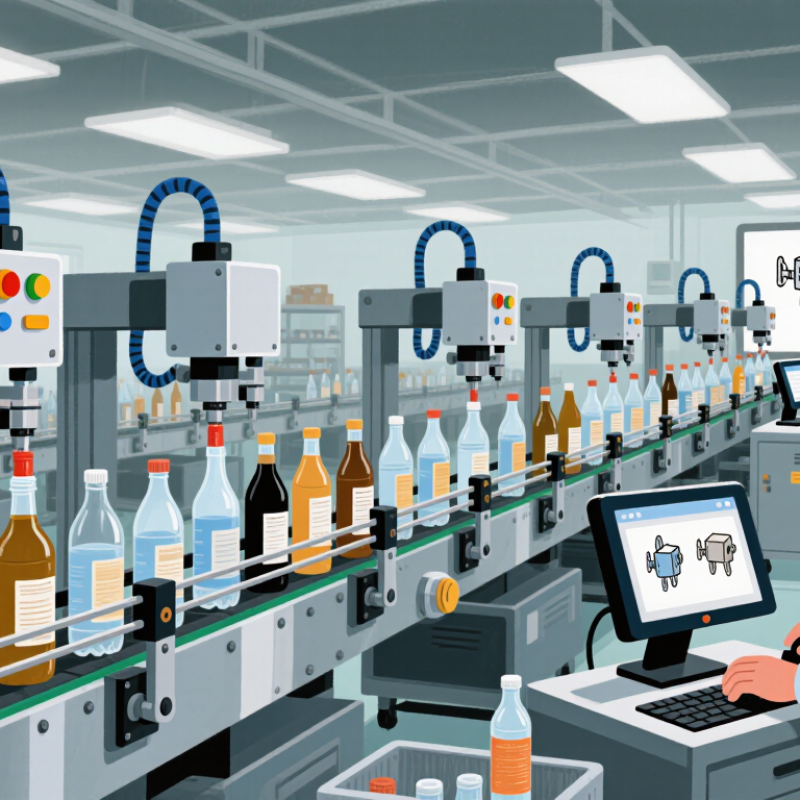
Choosing a bottle labeling machine starts with your production facts, not machine features. Define bottle material, diameter, shape, surface texture, and label size. Glass and plastic bottles may require different handling pressure. Also record your actual speed, not the planned maximum. A line producing 2,000 bottles per hour needs stable accuracy at that rate.
Measure daily volume, shift length, changeover frequency, and acceptable label deviation. For example, a small beverage plant may need 30 bottles per minute, three label sizes, and weekly product changes. That requirement favors flexible tooling and simple adjustments. High-volume operations may prioritize continuous motion, sensor control, and automatic fault detection. Smithers reports that global packaging demand is expected to exceed 1.2 trillion dollars by 2028, increasing pressure for efficient, adaptable equipment. The figure is impressive, but your own order pattern matters more.
Tips: Create a one-page requirement sheet before requesting quotations. Include bottle samples, label drawings, target speed, and available floor space. Ask suppliers to test your real containers. Factory demonstrations often use clean, perfectly shaped bottles. Your production floor may not.
PMMI industry research continues to identify labor shortages and automation investment as major packaging concerns. Therefore, evaluate operator training, cleaning time, spare parts, and service access. A machine that runs quickly but takes one hour to reset may reduce real output. I have seen teams overlook this detail. It is an easy mistake. Also leave space for future label formats, because today’s efficient choice may become restrictive next year.
Use this planning guide to document your product, container, labeling, and production requirements before comparing machine configurations. Example figures are starting points; confirm them through trials with your actual bottles and labels.
| Planning Dimension | What to Define | Example Requirement | Why It Matters for Machine Selection |
|---|---|---|---|
| Bottle shape and material | Container shape, material, surface finish, and dimensional variation. | Round PET bottles, 55–85 mm in diameter, with minor variation between production lots. | Round bottles are commonly handled by wraparound systems. Tapered, oval, square, or unstable bottles may need additional guides, fixtures, or a different labeling method. |
| Label coverage | Number of labels per bottle, label position, coverage area, and required alignment. | One pressure-sensitive wraparound label; front-to-back gap of 2–4 mm. | Label size and placement affect applicator setup, bottle rotation, sensor configuration, and achievable positioning accuracy. |
| Label stock and format | Label material, liner, roll direction, roll dimensions, and print requirements. | Paper or film labels on a roll, supplied in the format required by the applicator. | Label stiffness, adhesive, liner, and roll dimensions influence dispensing reliability and changeover requirements. Confirm compatibility with the label supplier and equipment provider. |
| Production rate | Required good bottles per minute, average shift output, and peak demand. | Target of 60 bottles per minute, with capacity headroom for future demand. | Compare the required rate with demonstrated performance on the actual container and label. Allow for stoppages, changeovers, and upstream or downstream limits rather than relying only on a maximum rated speed. |
| Operating schedule | Shifts per day, operating days per week, run duration, and planned downtime. | One or two shifts per day, with scheduled cleaning and product changeovers. | Longer operating hours can make easy access, durable components, service support, and quick recovery from jams more important to total operating performance. |
| Product and bottle stability | Whether bottles are empty or filled, their weight, center of gravity, and sensitivity to pressure. | Filled bottles with a stable base and a closure that remains secure during handling. | Lightweight or top-heavy containers may tip or deform. Conveyors, side belts, guides, and application pressure should be tested with filled containers where applicable. |
| Changeover frequency | Number of bottle and label formats, and how often production switches between them. | Four bottle formats and several label designs, with multiple changeovers per week. | Frequent changes favor clear adjustment references, recipe storage, tool-free adjustments where practical, and accessible change parts. Include changeover time in the production plan. |
| Inspection and rejection | Required checks for label presence, position, code quality, or other product criteria. | Verify label presence and detect bottles with labels outside the agreed position tolerance. | Inspection may require sensors or a vision system, a reject mechanism, and a method to confirm rejected containers. Define acceptance limits and validation procedures in advance. |
| Line integration | Available floor space, conveyor height and direction, line controls, and connections to adjacent equipment. | In-line installation on an existing conveyor with start/stop signals from the production line. | Check footprint, conveyor speed, guarding, electrical supply, communication signals, and upstream and downstream accumulation before ordering. |
| Environment and sanitation | Dust, moisture, washdown, temperature, and cleaning chemicals present in the operating area. | Routine wipe-down cleaning in a dry production area. | Environmental conditions influence frame materials, electrical protection, component placement, and cleaning procedures. Specify washdown needs rather than assuming standard equipment is suitable. |
| Accuracy and quality goals | Permitted label-position variation, cosmetic standards, and acceptable defect or reject rate. | Set a documented position tolerance and verify results across the full range of bottle and label formats. | Clear acceptance criteria make supplier trials meaningful and help determine whether standard application controls or additional inspection are needed. |
| Future production goals | Expected volume growth, new formats, automation plans, and available expansion space. | Plan for a potential increase in throughput and additional bottle sizes within the next few years. | Consider practical speed headroom, modular options, format flexibility, and integration capacity while balancing the initial investment and operating needs. |
| Acceptance trial | Sample bottles, labels, test duration, operating conditions, and pass/fail criteria. | Run representative product samples at the target rate and record placement, jams, changeover time, and rejects. | A documented trial helps confirm that the proposed configuration works with real materials and production conditions before final acceptance. |