
Choosing a Socks Printer in 2026 requires more than comparing price tags and advertised resolution. A reliable decision begins with your actual production needs. Consider sock materials, fabric stretch, printing diameter, daily volume, and artwork complexity. Cotton, polyester, bamboo blends, and performance fabrics can react differently to ink and heat. A printer that performs beautifully on smooth polyester may produce weak colors on textured cotton.
Look closely at printhead technology, ink compatibility, curing methods, and RIP software. Ask suppliers for physical samples using your own sock designs. Inspect small lettering, gradients, heel alignment, and color consistency after washing. Measure production speed under realistic conditions, not only in a showroom demonstration. Maintenance also matters. Check nozzle cleaning routines, ink costs, spare parts, ventilation requirements, and operator training. These details can shape your long-term budget more than the machine’s initial price.
No checklist is perfect. A cheaper Socks Printer may become expensive when downtime, wasted socks, and technical support are included. A high-speed model may also be unsuitable for a small studio with limited orders. Review warranty terms, installation support, software updates, and documented performance data. Independent reviews and experienced operators can reveal problems that brochures rarely mention. Still, online opinions should not replace direct testing. In this guide, we will examine the practical criteria that help businesses choose confidently, while recognizing that the “best” machine depends on changing workloads, materials, and expectations. Some compromises remain unavoidable. That is worth admitting before any purchase.
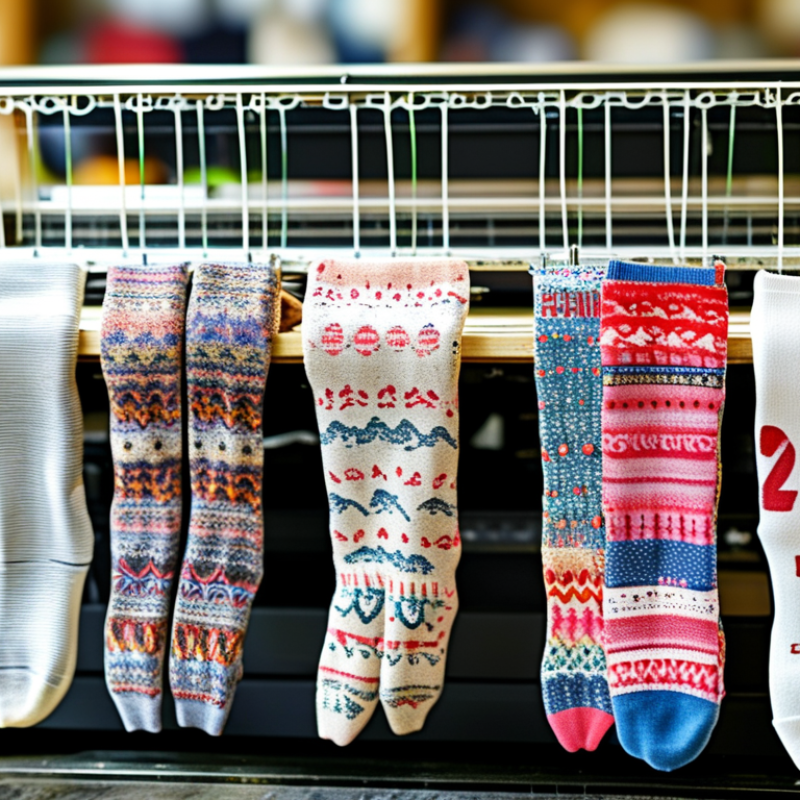
Choosing a sock printer in 2026 starts with understanding the printing method, not the machine’s advertised speed. Direct-to-sock digital printing applies ink onto knitted fabric and handles detailed patterns, gradients, and short runs well. Sublimation works best on polyester blends, because heat transfers the design into the fibers. Cotton socks usually need reactive or pigment inks, but color depth and washing performance can vary.
The market is moving toward digital production. Grand View Research valued the global digital textile printing market at about US$2.7 billion in 2022 and forecast a 12.1% compound annual growth rate from 2023 to 2030. Smithers also reports continued expansion in digital textile applications, driven by shorter production runs and faster design changes. These figures matter because a printer should match your order pattern. A high-speed system may waste money if you produce 50 pairs per design.
Ask for physical samples. Test the heel. Check the toe.
Measure color accuracy, stretch recovery, ink adhesion, and wash results after at least ten cycles. Oeko-Tex guidance and ISO 105-C06 washing methods can support safer, repeatable evaluation. I would also inspect maintenance access, printhead replacement costs, curing temperature, and software calibration. A machine may look impressive during a showroom demonstration, yet perform poorly on ribbed cuffs. That is an easy detail to miss. The better choice is rarely the fastest printer; it is the system whose ink, fabric compatibility, workflow, and service support fit your actual production conditions.

Choosing a socks printer starts with your real production plan, not attractive sample photos. Estimate daily orders, peak-season demand, sock sizes, and fabric types. Cotton, polyester, and blended yarns can react differently to ink and heat. My early estimates were wrong because I ignored setup time between designs. Measure the complete workflow, including loading, printing, drying, inspection, and packing.
Your artwork also defines the required printing performance. Detailed logos need stable color control and suitable resolution. Large patterns may require a wider print area and consistent fabric tension. Ask for test samples using your actual socks, not generic fabric pieces. Check color accuracy, edge sharpness, stretch recovery, wash resistance, and print softness. A fast machine is not useful if quality drops during long runs.
Leave room for mistakes. Production conditions change with humidity, yarn tension, and operator experience. A reliable evaluation should include repeated tests, not one perfect sample. Review the printer’s software compatibility, training process, safety documentation, and service response. Clear records make technical decisions easier and help prevent expensive assumptions.
How to Choose a Socks Printer in 2026?
Comparing Sock Printer Features, Output Quality, and Costs
Choosing a sock printer in 2026 requires more than checking its advertised speed. I would examine print resolution, color control, fabric compatibility, and daily maintenance needs. A machine may support bright patterns, but poor tension control can create blurred edges around the heel and toe. Ask for test samples using your actual sock materials. Cotton, polyester, and blended fibers can react differently to ink and heat.
Output quality should remain consistent after repeated washing. Inspect small lettering, skin-tone transitions, and dark areas under natural light. Check whether the printer supports automatic alignment, because manual positioning increases labor and waste. Useful features include nozzle monitoring, adjustable curing settings, and software that previews stretch distortion. These details affect production more than impressive speed figures.
Cost calculations should include ink, cleaning fluid, replacement parts, electricity, training, and rejected socks. My first comparison focused too heavily on purchase price. That was a mistake. A cheaper machine may require longer setup time and more frequent cleaning. Request a live demonstration with a measured production run. Record minutes per pair, ink usage, error rates, and operator workload. Also ask about technical support response times and warranty coverage. A reliable supplier should provide written specifications, safety guidance, and realistic maintenance schedules, not vague promises. Test carefully. Judge the printer after several weeks, not one attractive sample.
| Printer Category | Best-Suited Sock Materials | Typical Print Resolution | Typical Production Speed | Output Quality | Typical Equipment Cost | Estimated Consumable Cost per Pair | Main Advantages and Limitations |
|---|---|---|---|---|---|---|---|
| Direct-to-Sock Digital Printer | Cotton, cotton blends, polyester blends, and selected synthetic fabrics | Approximately 600–1,200 dpi, depending on print mode | Approximately 60–180 pairs per hour | High-detail, full-color graphics with smooth gradients; stretch and fabric texture can slightly affect fine details | Approximately US$20,000–US$80,000 | Approximately US$0.20–US$0.80, excluding labor and maintenance | Excellent for personalized and short-run orders; requires regular nozzle maintenance, pretreatment, and careful fabric handling |
| Dye-Sublimation Printer with Transfer Press | White or light-colored polyester and high-polyester blends | Approximately 300–1,200 dpi, depending on printer settings | Approximately 30–150 pairs per hour, depending on transfer and pressing workflow | Bright, durable color and strong photographic detail; unsuitable for most dark fabrics without additional processes | Approximately US$3,000–US$20,000 for printer, press, and basic accessories | Approximately US$0.10–US$0.40, including transfer paper and dye-sublimation ink | Lower entry cost and reliable color transfer; requires polyester content, heat equipment, and extra transfer-handling steps |
| Screen-Printing System | Cotton, cotton blends, and many dark or light textile compositions | Approximately 100–300 dpi-equivalent visual detail, depending on mesh and artwork | Approximately 200–800 pairs per hour after setup and curing workflow | Strong solid colors and good opacity; less suitable for photographic images, gradients, and highly detailed artwork | Approximately US$5,000–US$50,000, depending on automation level | Approximately US$0.05–US$0.25 in ink and consumables for larger runs | Very economical for repeated designs and high volumes; requires screens, color separation, setup time, and cleanup |
| Heat-Transfer Film or Transfer-Vinyl System | Cotton, polyester, and blended fabrics, subject to film compatibility | Approximately 300–600 dpi for printable film systems | Approximately 20–100 pairs per hour | Good for logos, lettering, and simple illustrations; larger transfers may feel heavier or less breathable | Approximately US$1,500–US$15,000 for cutter or printer, press, and accessories | Approximately US$0.20–US$1.00, depending on transfer size and material | Flexible for small orders and prototypes; manual cutting, weeding, alignment, and pressing can limit productivity |
| Industrial Automated Sock Printing Line | Production-specific cotton, polyester, nylon, or blended sock constructions | Approximately 600–1,200 dpi, depending on configuration and print mode | Approximately 300–1,000 pairs per hour in a standardized production environment | Consistent repeatability and professional registration; best results require standardized blanks and controlled production conditions | Approximately US$80,000–US$250,000 or more for integrated equipment | Approximately US$0.10–US$0.50, excluding labor, energy, maintenance, and facility costs | Highest throughput and lower unit cost at scale; requires substantial capital, trained operators, maintenance planning, and stable order volume |
How to Choose a Socks Printer in 2026?
Material compatibility should guide your decision. Socks may use cotton, polyester, nylon, wool blends, or elastane. Each fiber absorbs ink differently. Grand View Research valued the global digital textile printing market at approximately US$4.3 billion in 2023. It also forecasts about 12% annual growth through 2030. This expansion increases equipment choices, but not every printer suits elastic fabrics. Ask suppliers for washed samples, not only bright showroom pieces. Check stretch recovery, color penetration, and white-ink stability. Small details matter.
Software deserves equal attention. A reliable workflow should manage artwork separation, sock curvature, color profiles, and repeat placement. Smithers’ Future of Digital Textile Printing to 2028 highlights automation and pigment-based processes as important development areas. Request a live demonstration with your own artwork. Measure setup time and file-error frequency. Faster is not always better. Some interfaces look simple, yet hide costly manual corrections. I have seen impressive samples fail after repeated washing. That experience makes testing essential.
Maintenance can quietly control production costs. Review printhead cleaning cycles, ink shelf life, spare-part access, and operator training. Ask for service response times in writing. A supplier should explain preventive maintenance with practical schedules. The International Textile Machinery Federation repeatedly identifies investment uncertainty and operational efficiency as major industry concerns in its surveys. Support therefore affects more than convenience. It affects downtime and cash flow. No checklist is perfect. Leave room for doubt, and test the machine under ordinary working conditions.
A practical procurement benchmark for evaluating materials, software, maintenance, and supplier support.
The benchmark assigns the highest priority to material compatibility and supplier support because they directly affect print quality, production flexibility, uptime, and long-term operating risk. Use these percentages as a purchasing framework and adjust them according to your production volume, sock materials, and service requirements.
How to Choose a Socks Printer in 2026?
Selecting and Testing the Right Sock Printer for Your Business
Choosing a sock printer should begin with your products, not a glossy equipment brochure. Measure daily orders, sock lengths, fiber blends, and required color accuracy. A printer suited to short custom runs may struggle with continuous production. Ask for documented print resolution, usable fabric range, curing method, and maintenance intervals. Request samples printed on your actual socks. Not enough.
Testing should mirror your busiest week, including repeated designs and size changes. Print a small batch, then inspect stretch, toe alignment, color consistency, and wash durability. Use the same washing process your customers will use. Record setup time, ink consumption, rejected pairs, and operator corrections. These numbers reveal operating costs better than an attractive purchase price. Do not ignore noise, ventilation, workspace temperature, or software learning time. I once focused too heavily on speed and underestimated cleaning requirements. That mistake delayed production.
Reliable suppliers should explain training, spare parts, warranty limits, and technical response times. Independent test data is valuable, but verify how it was measured. Check color-management controls and whether profiles can be adjusted for different materials. A confident demonstration is not evidence of long-term stability. Let two operators test the machine. Their feedback may expose awkward controls or tiring repetitive tasks. Leave room for uncertainty. Your first estimate may be wrong. Keep the test records beside the machine, not inside a forgotten sales folder.
Content © 2025 Komatsu. All Rights Reserved