How to Choose a Metallurgical Bridge Crane for Your Project?
Choosing the right Metallurgical Bridge Crane is crucial for project success. The global crane market is projected to reach $45 billion by 2026, driven by infrastructure growth and automation. Metallurgical Bridge Cranes, designed for heavy-duty operations, play an essential role in steel production and metal handling.
Understanding the unique requirements of your project is vital. For instance, a crane's lifting capacity, span, and operational speed can significantly impact productivity. However, many projects neglect to assess these factors adequately. This oversight can lead to operational inefficiencies and safety hazards.
Moreover, different industries have varying standards for Metallurgical Bridge Cranes. In steel mills, cranes must withstand extreme conditions. Some reports indicate that up to 30% of crane failures stem from inadequate selection for specific applications. This highlights the importance of careful consideration in the selection process. Taking the time to thoroughly evaluate all aspects can lead to better performance and longevity of the equipment.
Understanding the Basics of Metallurgical Bridge Cranes
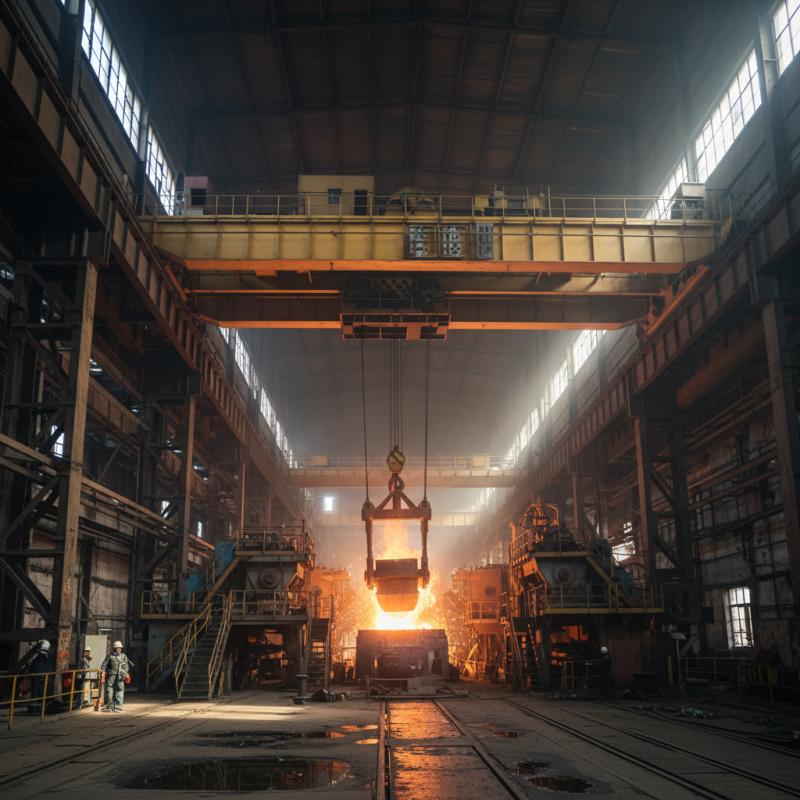
Metallurgical bridge cranes play a crucial role in various industries. They are designed to handle heavy loads and facilitate efficient material movement. Understanding their basic components is essential for making informed decisions. These cranes typically consist of a bridge, trolley, and hoist. The bridge spans the width of the working area, while the trolley moves horizontally. The hoist lifts and lowers the materials.
When choosing a metallurgical bridge crane, consider the load capacity. This is key to ensuring safety and efficiency. You may also want to think about the crane's height and operating speed. Not all projects require the same specifications, which can lead to mistakes if overlooked. Sometimes, a lower capacity crane may suffice. In other cases, overestimating needs can waste resources.
Maintenance is another crucial factor. These cranes endure heavy usage, so regular inspections are necessary. Neglecting upkeep can lead to costly breakdowns. It's worth noting that even the best designs need attention. Looking into user feedback can reveal insights. Not every system operates perfectly from the start. Understanding these fundamentals can aid in making a sound investment that aligns with your project’s goals.
Key Factors to Consider When Selecting a Metallurgical Bridge Crane
When selecting a metallurgical bridge crane, a few key factors are crucial. The load capacity is a primary consideration. Industry reports highlight that cranes need to handle loads up to 400 tons in heavy-duty environments. Assess the weight of the materials you will be lifting. This ensures safety and operational efficiency.
Consider the environment where the crane will operate. High temperatures, excessive dust, or molten metal presence can affect crane performance. Special coatings and designs are necessary in harsh conditions, as they enhance durability and reduce maintenance needs. Reports indicate that neglecting these aspects can lead to costly downtimes.
The span of the crane is equally important. It determines the coverage area. Ideally, you want to maximize space utilization in your facility. However, larger spans can complicate structural stability. A balance must be struck between span and load. Analyze the layout of your workspace before making a decision. Remember, each project is unique, and a one-size-fits-all approach may not apply.
How to Choose a Metallurgical Bridge Crane for Your Project? - Key Factors to Consider When Selecting a Metallurgical Bridge Crane
| Factor | Description | Importance Level |
| Load Capacity | The maximum weight the crane can safely lift and move. | High |
| Span Length | The distance between the supports of the crane. | Medium |
| Lifting Height | The vertical distance the crane can lift materials. | High |
| Operating Environment | Conditions such as temperature, humidity, and exposure to chemicals. | Medium |
| Control System | The method of operating the crane, including manual or automated controls. | High |
| Safety Features | Includes emergency stops, overload protection, and limit switches. | Very High |
| Maintenance Requirements | The frequency and type of maintenance needed to keep the crane operational. | Medium |
| Cost | Total expense including purchase price, installation, and operational costs. | High |
Assessing Load Capacity and Span Requirements
When selecting a metallurgical bridge crane, load capacity and span requirements are key factors. Begin by understanding the maximum weight your crane must lift. Heavy loads require more robust components. This directly influences your choice of materials and design. For example, a crane meant to lift steel beams will need specific load ratings. Consider the operational weight and any potential overloads.
Span requirements are equally crucial. Each project has its unique dimensions. Measure the area where the crane will operate. Ensure that the span can accommodate the equipment and materials involved. Sometimes, companies underestimate the necessary span, leading to operational issues. If the span is too short, it can limit the crane's efficiency.
It's important to involve your team in discussions. Their insights on workflow can highlight overlooked aspects. Ask questions about the load characteristics such as size and shape. Some loads may shift or require special handling. Without considering these factors, you risk underperforming equipment. Ideally, get feedback from multiple team members to refine your choices. Balancing load capacity and span can be challenging, but careful planning pays off.
Evaluating Safety Features and Compliance Standards
When selecting a metallurgical bridge crane, safety features are paramount. Look for advanced braking systems. These can prevent accidental drops. Make sure the crane has overload protection. This ensures the load limits are never exceeded. Sensors that detect malfunctions can be incredibly useful. They help in avoiding potential accidents.
Evaluate compliance with industry standards. Check if the crane meets the local safety regulations. It's crucial for ensuring safe operations. Not all manufacturers follow the same guidelines. Some may overlook critical safety aspects. Inspecting the safety features can save lives. Regular maintenance checks can also play a significant role. They help in identifying worn-out parts before an accident occurs.
Lastly, consider operator training. Safety measures can only work if operators understand them. Ensure your team receives proper instructions. A lack of training can lead to misuse. Incorporating frequent safety drills is advisable. This keeps safety awareness high. Remember, overlooking these aspects can lead to dire consequences. Safe practices should never be compromised.
Budgeting and Maintenance Considerations for Your Crane Project
When budgeting for a metallurgical bridge crane, careful planning is essential. The initial cost can vary significantly. Reports show that spending can range from $30,000 to $150,000, depending on specifications. Routine maintenance is often overlooked but can lead to costly repairs. Data indicates that businesses spend about 15% of initial costs annually on maintenance.
Tips: Set aside 10% of the project budget for unforeseen expenses. Prioritize regular inspections to minimize downtime.
Maintenance varies based on usage. For a crane working daily, schedule checks every six months. Inspecting components like hoists and cables can prevent major issues. A common mistake is neglecting parts. Some companies wait too long to replace worn components. This leads to overextended use and increased costs.
Tips: Keep a maintenance log to track repairs. Regularly train staff on operational best practices to enhance safety and efficiency.
Budgeting and Maintenance Considerations for Metallurgical Bridge Cranes