How to Choose the Right Die Casting Molds for Your Project?
Choosing the right Die Casting Molds is critical for the success of your manufacturing project. According to a report by Market Research Future, the die casting market is expected to reach $18.67 billion by 2027. This growth highlights the importance of selecting high-quality molds. Industry expert John Miller emphasizes, "The mold is the heart of the die casting process." His insight underscores the pivotal role that molds play in achieving precision and efficiency.
When considering Die Casting Molds, factors such as material, design, and cost come into play. Each decision can significantly impact your project’s outcome. A poorly chosen mold can lead to defects, wasted resources, and increased production time. Not all molds will perform equally, and recognizing this can save headaches later.
In this evolving industry, understanding how to assess specific project requirements is essential. The complexity of this choice often leads to oversights. Some may lean towards cost-saving measures, neglecting long-term benefits. Clarity in your project's goals will aid in this selection. Evaluating these details can lead to better results and sustainability in production.
Understanding the Basics of Die Casting Molds
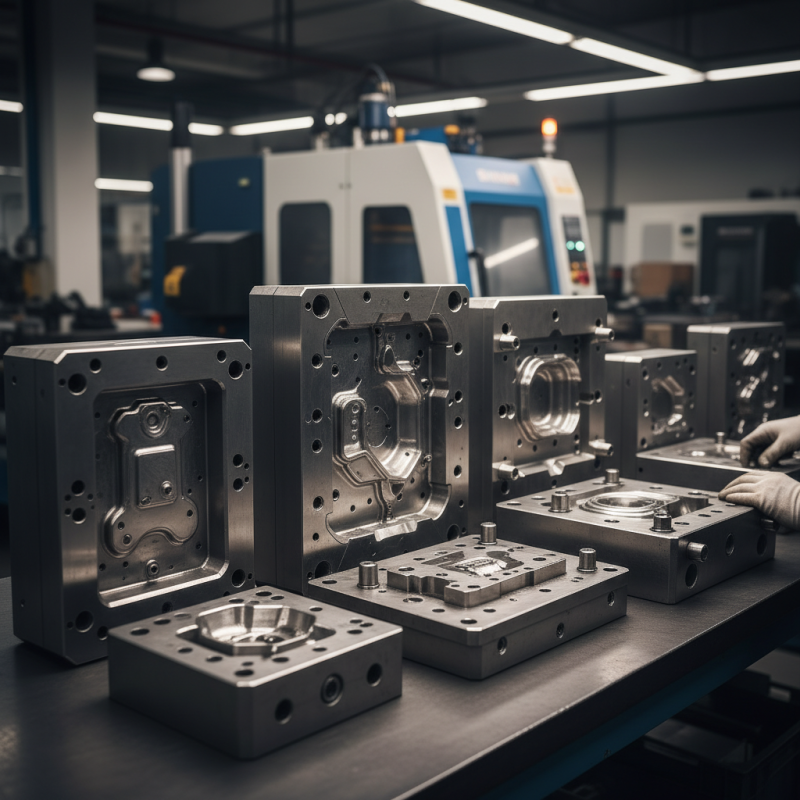
Die casting molds are essential for producing precise metal parts. Understanding the basics of these molds is key to any successful project. Molds are typically made from durable materials like steel or aluminum. They help shape the molten metal as it cools and solidifies. The design of the mold influences the quality of the final product.
When selecting a mold, consider your project's specific requirements. Proper venting is crucial for eliminating air trapped inside. This helps ensure uniform filling and prevents defects. Additionally, the cooling channels within the mold need to be designed well to promote efficient heat transfer. Inefficient cooling can lead to warping or inconsistent wall thickness.
Tips: Test a small batch first. Monitor how well the mold performs. Don’t hesitate to adjust your design if issues arise. Sometimes, minor tweaks can make a big difference in quality. Choose the right alloy based on your project. It affects strength and durability. A well-chosen mold can enhance production speed and reduce costs. Always remember, every project is unique and requires careful consideration.
Factors to Consider When Selecting Die Casting Materials
When selecting die casting materials, various factors play a crucial role. The project requirements often dictate the choice of materials. Strength, weight, and thermal properties should be evaluated. Cast aluminum is popular due to its lightweight and corrosion resistance. This makes it ideal for automotive and aerospace components. In contrast, zinc alloys offer good strength and precise dimensional accuracy, which is beneficial for intricate designs.
Another consideration is the intended use of the final product. Will it face extreme temperatures or stress? Understanding the environmental exposure can guide material selection. Magnesium alloys are lightweight and have excellent strength. However, they may not be suitable for high-heat applications. Reflecting on these properties ensures a better match to your project requirements.
Finally, think about cost efficiency. While some materials may offer superior properties, they can come at a higher price. For instance, certain specialty alloys can increase budget constraints. It's essential to balance performance with affordability. Evaluating various options and conducting tests can lead to a well-informed decision. The right choice can make all the difference in the outcome of your production process.
Evaluating Mold Design for Specific Project Needs
When evaluating mold design for specific project needs, understanding the project’s requirements is crucial. Consider the material you intend to use. For instance, aluminum and zinc alloys are common in die casting due to their favorable thermal conductivity. According to a 2022 industry report, 70% of die casting operations utilize these materials for their efficiency.
Next, the complexity of the design should be assessed. Intricate shapes and features may require advanced mold techniques. A study revealed that molds with complex geometries can increase production costs by up to 25%. Projects that demand rapid production rates may benefit from simpler mold designs to reduce lead time. Balancing complexity and cost is key.
Another factor is durability. Molds must withstand thousands of cycles. However, many projects overlook the long-term effects of wear and tear. Regular maintenance can extend mold life, but initial design flaws can lead to significant issues. Research indicates that at least 15% of production delays in die casting are linked to mold failures. Identifying potential weaknesses in the design phase can prevent costly setbacks down the line.
Assessing Production Volume and Cost Implications
When selecting die casting molds, production volume and cost implications play a crucial role. A recent industry report indicates that the initial investment for high-volume projects can exceed $100,000. This upfront cost can be daunting. However, as production increases, the cost per unit drastically decreases. For example, manufacturing 10,000 units may result in a unit cost of only $5, whereas 100,000 units could bring that down to $2.
Tip: Calculate your break-even point to ensure it aligns with your production goals. It’s essential to match your mold design with your expected production volume. Choosing a mold that supports scalability can save money and time in the long run.
Additionally, consider the materials you will be using. Different aluminum alloys, for instance, can vary in cost and performance. A report from Metal Casting Manufacturers Association shows that using a premium alloy may lead to 15% higher costs, but it often results in better quality and durability. Evaluate the trade-offs carefully.
Tip: Always request a detailed quote from manufacturers. Hidden costs can arise, especially in post-processing. Keeping a close eye on these details will help avoid surprises in your budget. Balancing cost and quality is vital for a successful die casting project.
Production Volume vs. Cost Implications for Die Casting Molds
Choosing the Right Manufacturer for Die Casting Molds
When selecting a manufacturer for die casting molds, consider their experience and reputation. Industry reports reveal that companies with over 10 years of experience often deliver higher-quality products. This statistic is key. A well-established manufacturer typically understands the nuances of different alloys and processes. This can directly impact the lifespan and durability of the molds.
Communication is crucial. Look for manufacturers with a responsive support team. Clear communication ensures that the designs meet your specifications. Delays due to misunderstandings can escalate costs drastically. Interestingly, a recent survey indicated that 75% of clients prioritize effective communication during their selection process. Additionally, don’t overlook production capabilities. Evaluate if the manufacturer can handle your required volume. Some may excel at small runs but falter with large orders. It’s useful to inspect their previous projects. This step can reveal inconsistencies or areas needing improvement.
Quality control measures should also be addressed. Manufacturers with rigorous testing protocols tend to produce more reliable molds. Reports highlight that firms with thorough audits saw a 30% decrease in defects. However, too much focus on cost-cutting can lead to shortcuts in quality. Remember, choosing the right manufacturer is not just about price; it’s about long-term value and partnership.
How to Choose the Right Die Casting Molds for Your Project? - Choosing the Right Manufacturer for Die Casting Molds
| Criteria | Importance | Considerations | Examples |
| Material Compatibility | High | Ensure the mold material can withstand the die casting process. | Aluminum, Zinc, Magnesium |
| Complexity of Design | Medium | Assess the complexity in designing the mold for intricate shapes. | Cavs, Cores, Undercuts |
| Production Volume | High | Estimate the number of parts needed to determine mold type. | Low-volume vs. High-volume production |
| Cost | High | Evaluate budget constraints versus mold quality and longevity. | Initial cost vs. long-term savings |
| Lead Time | Medium | Timeline for production can affect project scheduling. | Standard vs. expedited service |
| Manufacturer Experience | High | Check for previous projects and customer feedback. | Years in industry, previous client portfolios |