How to Choose the Right Forklift Parts for Your Needs?
Choosing the right forklift parts is crucial for efficient operations. With countless options available, it can be overwhelming. The wrong part can lead to safety hazards and expensive repairs. Not all forklift parts are created equal. Quality and compatibility matter.
When selecting forklift parts, consider your specific needs. Think about the type of forklift you operate. Different models require different components. Sometimes, parts might look similar but function differently. It’s essential to pay attention to details.
Additionally, assess the reliability of suppliers. Some vendors may offer low prices but compromise on quality. This can affect your forklift’s performance. Investing time in research can pay off in the long run. Finding the right forklift parts requires careful consideration and a willingness to ask questions.
Understanding Different Types of Forklift Parts and Their Functions
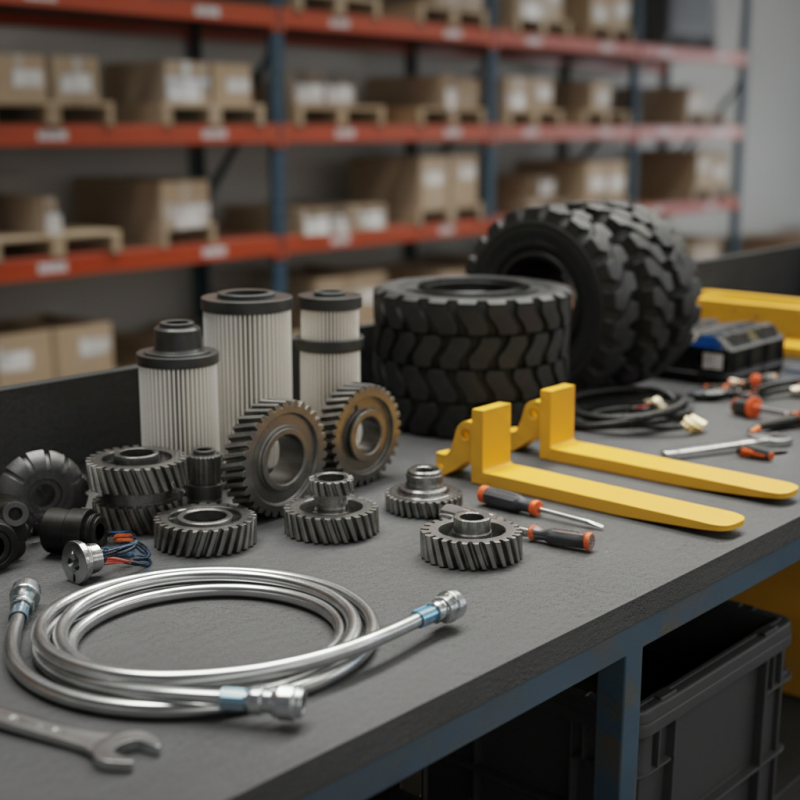
When choosing forklift parts, it's essential to understand their roles. Forklifts comprise different components, each with specific functions. The most critical parts include the mast, forks, and drive unit. The mast raises and lowers the load, greatly affecting lifting height. Forks are the front attachments that hold the material. They come in various sizes, impacting compatibility with loads.
A report by the Industrial Truck Association (ITA) shows that lift truck sales increased by 8.4% in recent years. This growth emphasizes the importance of proper maintenance and quality parts. For instance, poor-quality forks can bend under heavy loads, leading to safety hazards. Additionally, drive units play a vital role in efficiency. A defective drive unit can lead to operational downtime, which costs businesses significantly.
It's crucial to assess needs accurately. Sometimes, businesses overlook compatibility and durability. They may purchase parts that don't match, resulting in inefficiencies. For instance, a mismatched mast can hamper lifting capabilities. It's evident that understanding forklift parts is not just about selection; it involves considering quality and functionality to ensure safety and performance.
How to Choose the Right Forklift Parts for Your Needs?
| Part Type |
Function |
Common Materials |
Maintenance Tips |
| Forks |
Used to lift and carry loads |
Steel |
Regularly inspect for bending or wear |
| Mast |
Supports the forks and lifting mechanism |
Aluminum, Steel |
Lubricate moving parts to ensure smooth operation |
| Tires |
Provides traction and stability |
Rubber, Polyurethane |
Check tire pressure and tread for wear |
| Batteries |
Power source for electric forklifts |
Lead Acid, Lithium-Ion |
Keep clean and check charge levels regularly |
| Hydraulic Cylinders |
Lifts the forks and loads |
Steel |
Inspect for leaks and ensure proper fluid levels |
Assessing Compatibility of Forklift Parts with Your Equipment
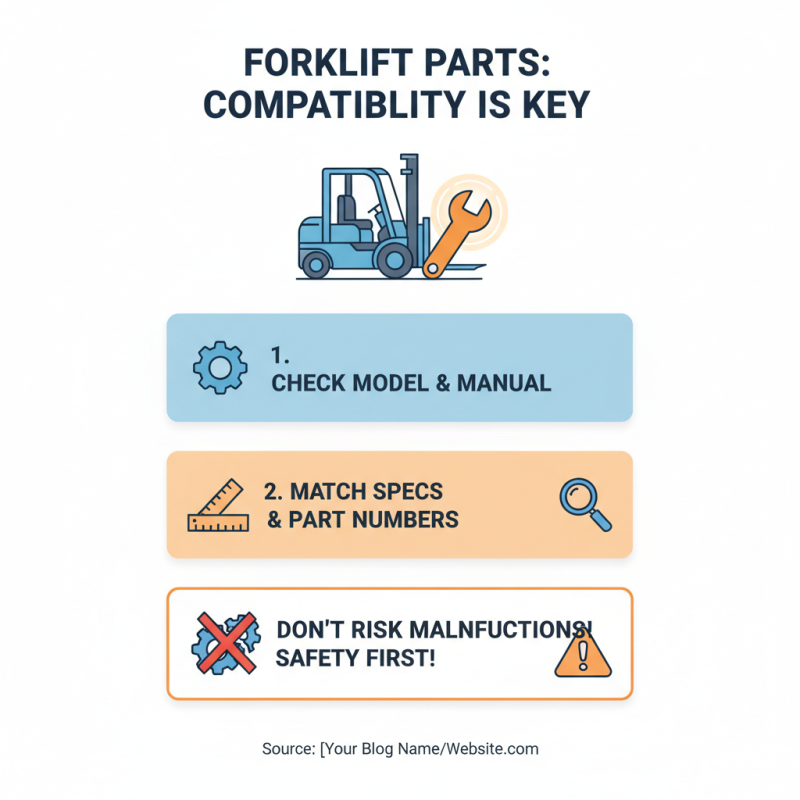
When selecting forklift parts, compatibility is crucial. Not all parts fit every machine. Ensure that the specifications match your forklift model. Check the manual for part numbers and size details. It’s easy to overlook small discrepancies. A slight difference can lead to malfunctions. This may result in costly repairs or dangerous situations.
Consider the material quality of the parts as well. Different parts use various materials, which can affect durability. For example, steel and plastic components perform differently. Evaluate the environment where the forklift operates. Harsh conditions may demand more robust options. If in doubt, consult with a knowledgeable source. This can prevent missteps that might arise from haste.
The process can be frustrating. Some parts may seem compatible but fail when installed. Take time to verify everything before purchase. Online resources can provide insight. Reviews often highlight specific experiences. Feedback from other users can be invaluable. Remember, not every solution is straightforward. Careful consideration is key to avoiding future headaches.
Evaluating Quality and Durability of Forklift Parts
When it comes to choosing forklift parts, evaluating quality and durability is crucial. Forklift parts face heavy loads, constant use, and challenging conditions. The right materials can significantly impact their lifespan. Steel and aluminum are common, but not all are created equal. Some may be prone to rust or wear out faster. Look for parts that can withstand harsh environments.
Inspecting certifications is important too. Reliable manufacturers often have quality control measures. This can give you peace of mind about your purchase. Warranty details also provide insight into durability expectations. Parts with longer warranties often indicate higher quality.
However, price should not be the only consideration. Cheaper parts may seem appealing, but they can lead to frequent replacements. Over time, this could result in higher costs. It's essential to weigh short-term savings against long-term value. Quality should always be the priority for any forklift operation.
Considering Budget and Cost-Effectiveness in Forklift Parts Choices
Choosing forklift parts requires careful consideration of budget and cost-effectiveness. A study from the Industrial Truck Association reveals that maintenance costs can consume up to 20% of your total operating expenses. Therefore, selecting the right parts can significantly impact your long-term expenses.
When considering forklift components, evaluate your budget against the potential lifespan of the parts. Premium parts often promise durability, yet they come with higher upfront costs. A report from the Equipment Leasing and Finance Association indicates that investing in quality parts can reduce replacement frequency by 30%. This statistic urges operators to weigh immediate savings against future reliability. Sometimes, opting for cheaper parts can lead to higher long-term costs due to frequent replacements.
It's also important to factor in downtime. Choosing lower quality parts can result in equipment failures. According to a survey by Material Handling Industry, businesses lose an average of $22,000 annually due to equipment downtime. Each day's delay can significantly influence operational efficiency. Identifying the right balance between budget and efficacy reveals a challenge in the forklift parts selection process. Reflection on past choices may guide smarter decisions in the future.
Identifying Reliable Suppliers for Forklift Parts Acquisition
Finding reliable suppliers for forklift parts is essential for maintaining your equipment. Start by researching potential suppliers online.
Check for reviews and feedback from other customers. Look for suppliers with a proven track record in the industry.
Tips: Don't rush the selection process. Take your time to compare different options.
A hasty decision can lead to purchasing subpar parts.
Once you have a shortlist, reach out to each supplier. Ask about their sourcing process and warranty policies.
A quality supplier should be transparent about their parts and how they are sourced. This can give you peace of mind when making your choice.
Tips: Be aware of red flags. If a supplier is evasive or offers no warranty, reconsider.
Trust your instincts; a reliable supplier should build your confidence.
Regular communication with suppliers is key. Ask questions and seek advice about which parts suit your specific needs.
This dialogue can help you make informed choices and avoid costly mistakes down the line.