Top 5 Tips for Choosing the Right Industrial Current Transformer?
Choosing the right Industrial Current Transformer (ICT) is crucial for optimizing electrical systems. According to the Global Industry Analysts report, the current transformer market is projected to reach USD 7.4 billion by 2025. This growth highlights the increasing demand for efficient energy management and monitoring solutions.
Various factors influence the selection of an ICT, including application type, accuracy requirements, and environmental conditions. For instance, accuracy levels often need to align with the specific measurement applications in industrial settings. A report by MarketsandMarkets indicates that high-accuracy current transformers have a growing market share due to their critical role in smart grid applications.
Selecting an ICT isn't straightforward. Misjudgments can lead to significant performance issues. It poses questions about insulation levels, load types, and installation environments that need careful consideration. As electrical systems evolve, industry professionals must stay updated on trends and technologies associated with ICTs. Understanding these complexities ensures a well-informed choice, enhancing system reliability and efficiency in the long run.
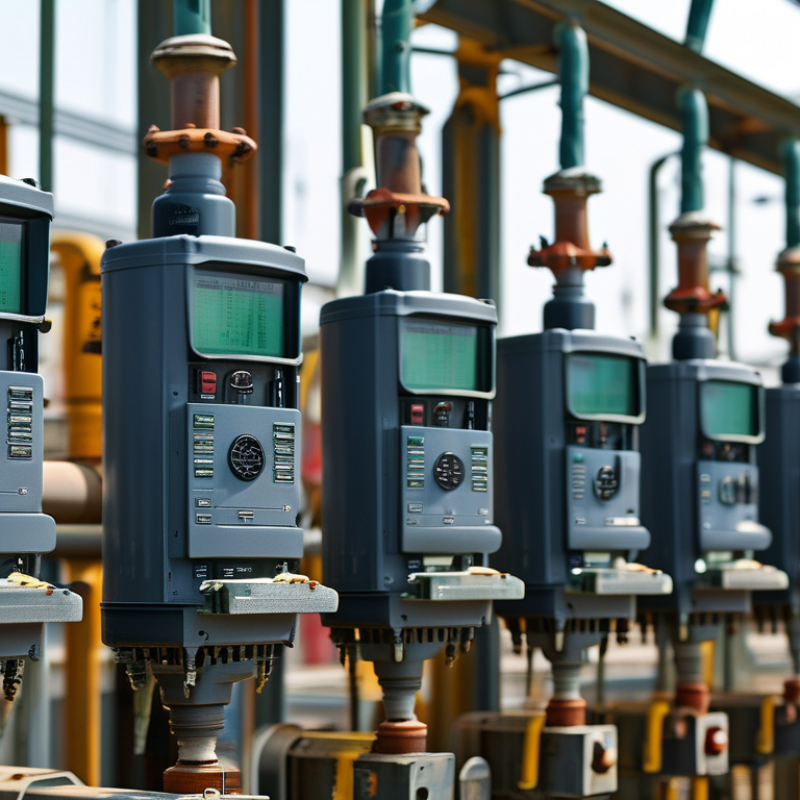
Understanding Industrial Current Transformers: Key Specifications to Consider
When selecting an industrial current transformer, understanding key specifications is crucial. These devices play a vital role in measuring electrical currents accurately. Among the key specifications to consider are the current ratio, accuracy class, and burden. The current ratio determines the scaling of high internal currents to a lower, manageable output. If the ratio doesn’t match your system, the measurements may be unreliable.
Accuracy class is also essential for precise applications. Transformers come with various accuracy ratings that indicate how well they can measure under different loads. Choosing a transformer with a higher accuracy class ensures better performance, especially in critical monitoring systems. Another significant aspect is the burden. This refers to the maximum load that a transformer can handle. Exceeding this limit can cause errors, leading to costly or dangerous situations.
Many users overlook power factor and frequency specifications. However, these can affect transformer performance. Transferring power at a higher frequency can yield different results, which isn’t always intuitive. It’s essential to consider the operational environment. Factors like temperature and humidity can also impact performance, requiring further reflection. An informed choice takes all these elements into account to minimize errors and enhance reliability.
Evaluating Load Requirements: How to Match Transformers to Your Needs
Choosing the right industrial current transformer involves careful evaluation of load requirements. To match transformers to your specific needs, begin by analyzing the current carrying capacity of the system. This capacity must align with the transformer’s specifications. Understanding your operational environment is crucial as well. High temperatures or humidity can impact performance.
When assessing your load, consider these tips. Calculate the maximum current expected during peak operational times. This helps in selecting a transformer that can handle the load without any issues. Additionally, consider the potential for future expansion. Choosing a transformer with some extra capacity can save costs later.
Lastly, always seek expert opinions if in doubt. Professionals can provide insights tailored to your unique situation. Not all specifications might fit your needs perfectly. Understanding the nuances will guide your choice significantly. A thoughtful approach can lead to better performance and reliability in the long run.
Calculating Accuracy Class: Importance of Precision in Current Transformers
When selecting industrial current transformers, the accuracy class is a critical factor. The precision of current transformers directly impacts measurements and system performance. Every application has unique requirements that dictate the necessary accuracy levels. Understanding these requirements helps in making informed decisions.
Accuracy classes are defined by standards that outline permissible errors. For instance, a class 0.2 transformer has a maximum error of 0.2%. This level of precision is vital in installations requiring exact measurements. Applications in protective relaying or revenue metering often necessitate higher accuracy. Choosing the right class prevents significant losses and ensures compliance with industry standards.
However, many overlook the importance of recalibrating and maintaining accuracy over time. Environmental factors can influence transformer performance. Regular checks and adjustments can safeguard against drift in measurements. Recognizing this can lead to better long-term reliability and efficiency in operations. It’s not just about the initial choice; ongoing assessment is equally crucial.
Assessing Environmental Factors: The Role of Temperature and Humidity
When selecting an industrial current transformer, environmental factors, particularly temperature and humidity, are crucial. Both factors can significantly influence the transformer’s performance. High temperatures can lead to insulation breakdown, compromising safety and reliability. Conversely, extreme humidity can result in condensation, risking short circuits and equipment failure.
Tip: Always evaluate your installation environment. If your area experiences high humidity, consider transformers designed for such conditions. Look for models with enhanced sealing features. These transformers can provide better protection against moisture ingress.
It's also vital to monitor temperature ranges. Industrial settings often fluctuate. If a transformer operates outside its specified temperature, inefficiencies can arise. Frequent temperature checks can prevent issues before they escalate. It’s easy to overlook minor fluctuations, but this oversight can lead to severe consequences.
Tip: Consult with experts about adapting designs that suit your specific conditions. Doing so may enhance lifespan and efficiency. Practical assessments can reveal how environmental factors interact with your chosen transformer, ensuring optimal performance.
Environmental Factors Impacting Industrial Current Transformers
Reviewing Regulatory Compliance: Ensuring Transformers Meet Industry Standards
Choosing the right industrial current transformer is crucial for effective energy management. Regulatory compliance plays a significant role in this decision. Ensuring that transformers meet established industry standards can prevent costly failures and improve system reliability. According to a 2021 report by the International Electrotechnical Commission, transformers must adhere to specific criteria, such as efficiency, accuracy, and insulation quality.
Finding a transformer that aligns with industry regulations is the first step. It's essential to check certifications against recognized standards like IEC 60044 or IEEE C57.13. Look for transformers that have undergone rigorous testing. This guarantees their capability to handle intended loads while providing accurate readings. Consider conducting a risk assessment to ensure that the selected transformer mitigates potential electrical hazards.
Another key consideration is the transformer’s environmental impact. Many companies now prioritize eco-friendly products. Verify if the transformer materials meet sustainability standards. A report from the U.S. Department of Energy highlights that compliant transformers can reduce energy losses by up to 30%.
Be aware that not all manufacturers provide clear documentation. This can lead to confusion about a product's compliance status. Ask for detailed specifications and compliance evidence directly from suppliers. Ensure your chosen transformer not only meets current regulations but is also future-proofed against incoming standards.