How to Choose the Right Injection Machine Robot for Your Needs?
Choosing the right Injection Machine Robot is crucial for manufacturing efficiency. The global market for robotic solutions in injection molding has been projected to reach $6 billion by 2025. This growth indicates that industries increasingly rely on automation.
However, many factories face challenges in selecting the right robots. Numerous options exist, yet not all meet specific production needs. Each production line is unique. Factors such as speed, payload, and precision must be considered carefully. Moreover, some robots may not integrate well with existing machinery, leading to costly downtimes.
Selecting an Injection Machine Robot requires thoughtful deliberation. Consideration of vendor support, maintenance costs, and training is essential. Many businesses overlook these factors, which can result in suboptimal performance. Evaluating long-term requirements against initial costs is vital. Balancing these aspects ensures that manufacturers make informed decisions that align with their operational goals.
Understanding the Types of Injection Machine Robots Available
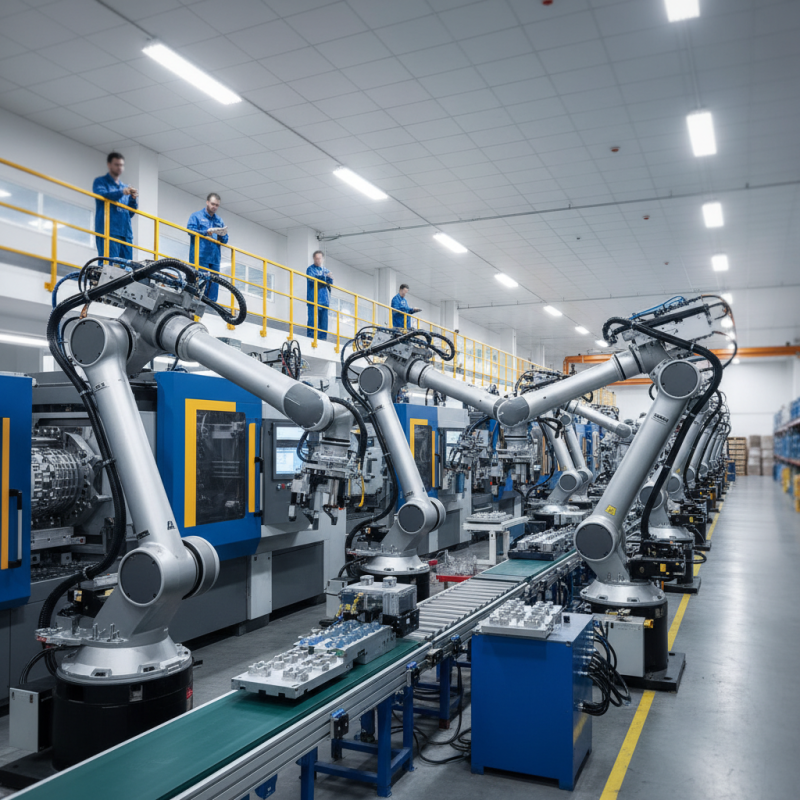
When selecting an injection machine robot, it’s essential to understand the various types available. Each type serves unique purposes, and it’s crucial to find the one that fits your production needs.
There are Cartesian robots, which move along three linear axes. They offer high precision and are often used for pick-and-place applications. SCARA robots have a swiveling arm. They excel in tasks needing quick lateral movements. Meanwhile, six-axis robots provide greater flexibility. They mimic human arm movement, making them ideal for complex tasks.
Tips: Consider the workspace layout. Some robots need more space to operate efficiently. Assess the specific tasks you want your robot to perform. The right choice should streamline your production process. Do not rush your decision; invest time in research and comparison.
Hydraulic robots are strong but may require maintenance. Pneumatic robots are efficient but can be less powerful. Each type has its strengths and weaknesses. Be mindful of these factors and reflect on your production goals. Making the right selection means understanding each option thoroughly.
Evaluating Your Production Needs and Requirements
When evaluating your production needs, consider the specifics of your operation. Think about the types of materials you work with and the complexity of your designs. Different injection processes have unique requirements. Small, intricate parts may need more precision, while larger items might prioritize speed. Understand the volume your production demands. Will you be doing small batches or high-volume runs?
Assess your workspace as well. A larger robot may not fit in a compact facility. Moreover, the robot’s reach and flexibility should match your production line layout. Reflection is key here. Sometimes, it’s easy to overlook how these factors intertwine. You might initially focus solely on throughput. But, overlooking space constraints could lead to inefficiencies.
Consider additional factors like the learning curve for operators. Training times can affect productivity. Opting for overly complex machinery can slow down onboarding. It might seem appealing at first, but don’t ignore this aspect. Take time to evaluate collaboration between the robot and your team. Each choice impacts the overall operation. Emphasize clarity in your needs and plans.
Key Features to Consider When Choosing a Robot
Choosing the right injection machine robot involves crucial considerations. One key feature to assess is the robot's payload capacity. Ensure it can handle the weight of your molds, tools, and any components you frequently use. A robot with insufficient capacity can lead to breakdowns. This mistake could delay production and increase costs.
Another important aspect is the robot's speed and precision. Evaluate your production speed needs. A slower robot may save money upfront but can hinder efficiency in high-demand scenarios. On the other hand, a fast robot might require more maintenance. Finding the right balance is essential for smooth operations.
Lastly, consider the robot's compatibility with your existing systems. It should easily integrate with your current software and machinery. An incompatible robot can cause significant issues. Always check compatibility details before making a decision. Remember, a thoughtful choice now can save you headaches in the future.
Key Features to Consider When Choosing an Injection Machine Robot
Budget Considerations for Injection Machine Robots
When considering an injection machine robot, budget plays a crucial role. The price can range from a few thousand to tens of thousands of dollars. It’s essential to determine how much you can allocate before diving into options. A well-defined budget helps narrow down choices. This prevents overspending on features that may not be relevant to your needs.
Evaluate not only the initial cost but also the long-term expenses. Maintenance can add up. Training staff to operate the robot also requires investment. Some robots are complex and might need frequent repairs, leading to hidden costs. It's easy to overlook these factors. Remember, a cheaper model may end up costing more if it requires consistent servicing.
Think about the specific features essential for your production. Assess whether you're getting value for your investment. Some advanced features may seem appealing but may not justify their cost. Take time to reflect on past equipment purchases. Were they the right fit? Learning from those experiences can guide better decisions today.
How to Choose the Right Injection Machine Robot for Your Needs? - Budget Considerations for Injection Machine Robots
| Robot Type | Load Capacity (kg) | Reach (mm) | Price Range (USD) | Suitable Applications |
| SCARA Robot | 5-10 | 400-600 | $15,000 - $25,000 | Packaging, Assembly |
| Cartesian Robot | 10-50 | 600-1200 | $10,000 - $20,000 | Material Handling, Palletizing |
| Articulated Robot | 5-100 | 500-1500 | $20,000 - $50,000 | Welding, Painting, Assembly |
| Delta Robot | 1-10 | 300-800 | $25,000 - $35,000 | Fast Pick and Place, Food Industry |
Integration and Compatibility with Existing Systems
When selecting an injection machine robot, integration is crucial. A seamless connection with existing systems can enhance efficiency. According to industry reports, 45% of companies face integration challenges. This indicates the need for careful consideration.
Compatibility with current manufacturing setups is essential. Robots should communicate effortlessly with existing machinery and software. A 2022 survey found that 60% of manufacturing firms had to modify their systems for new robots. This adjustment can be costly and time-consuming. Evaluating the compatibility upfront reduces future headaches.
It's not all about technology. Training staff to work with new robots is equally important. Over 30% of workers reported feeling unprepared after installation. Investing time in training can bridge this gap. Reflection on past integration projects shows that a smooth transition relies heavily on communication and understanding. Addressing these points early on leads to better outcomes.