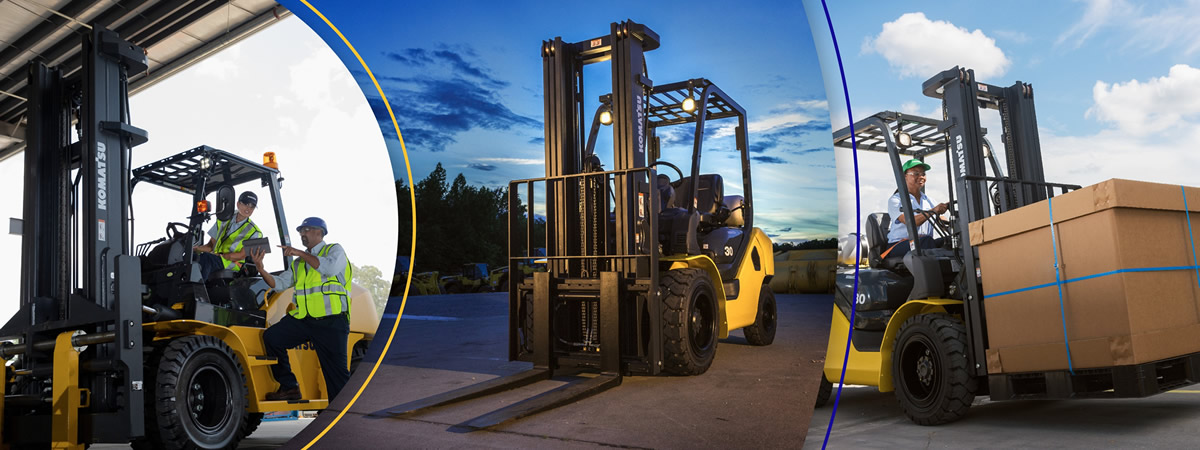
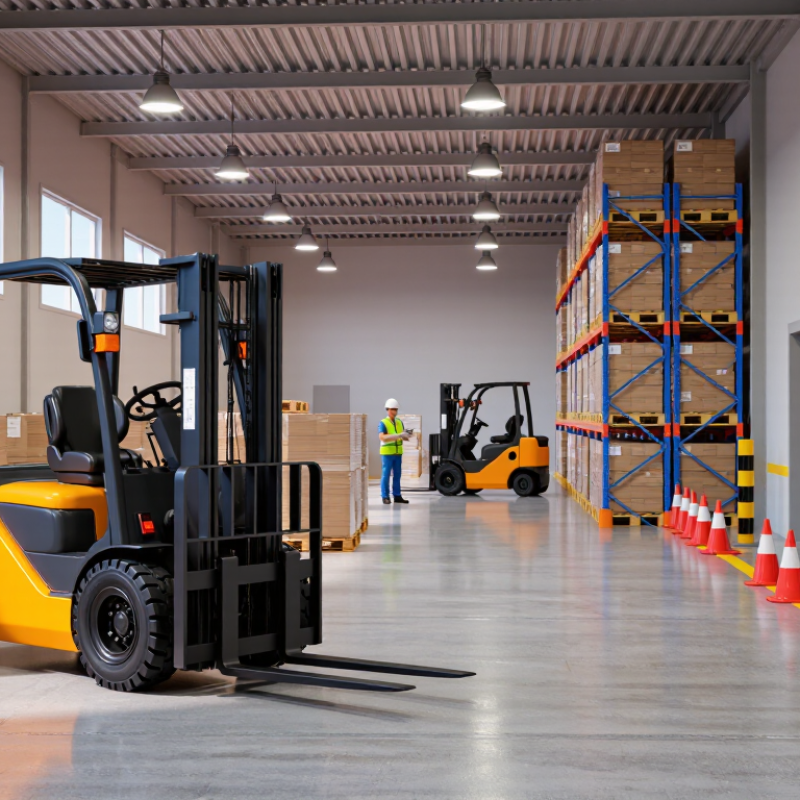
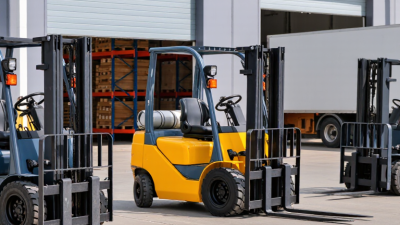
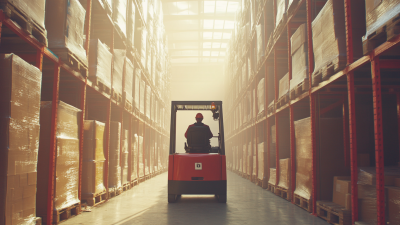
three part picture of forklifts

How to Choose the Best Fork Truck Rental for Your Business?

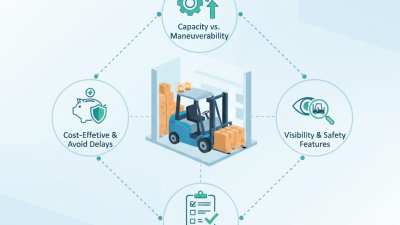
Choosing the right Fork Truck Rental can influence warehouse speed, product protection, and daily operating costs. A suitable truck should match your load weight, lifting height, aisle width, floor condition, and working hours. A warehouse moving 2,000-pound pallets indoors needs different equipment from a construction site handling uneven ground.

Small details matter.

An experienced rental provider will ask practical questions before recommending a machine. They may check pallet dimensions, battery charging space, fuel preferences, attachment needs, and operator experience. Manufacturer specifications should confirm rated capacity, mast height, turning radius, and operating limitations. A quick visual inspection also matters. Look closely at the tires, forks, warning lights, seat belt, hydraulic lines, and service labels before accepting delivery.

The cheapest option may not be the most dependable. A well-maintained truck with clear inspection records can prevent delays during a busy shift. Ask about breakdown support, replacement equipment, rental flexibility, damage policies, and scheduled maintenance. Reputable suppliers should explain these terms clearly and provide equipment suited to recognized workplace safety practices.

Even experienced teams misjudge demand. A truck that worked well last winter may struggle during a longer production run or a heavier project. That is worth reconsidering. Compare several rental options, document your operating conditions, and involve trained operators in the decision. The best choice balances capacity, reliability, safety, and total cost rather than focusing only on the daily rental rate.
How to Choose the Best Fork Truck Rental for Your Business?

Define Your Forklift Rental Requirements

Defining your forklift rental requirements starts with the worksite, not the rental counter. In field operations, I measure the heaviest load, its dimensions, and the highest lift point. A 2,000-kilogram pallet needs more than matching capacity on paper. Load shape, reach, and attachment weight also affect stability. Write these details down.

Check the floor before choosing the truck. Smooth warehouse concrete differs from uneven yards, ramps, and wet loading areas. Record aisle width, doorway height, turning space, and surface conditions. Electric units may suit indoor work, while other power options can support ventilated outdoor tasks. Follow the equipment manual and site safety procedures. I have seen delays when teams measured the pallet but ignored a low doorway. It was an avoidable mistake.

Estimate daily hours, shift length, and charging or refueling access. Compare the rental rate with delivery, maintenance, damage, and overtime charges. Ask how quickly a replacement unit can arrive if the truck stops. Confirm operator training, inspection records, maintenance response, insurance requirements, and the rental period in writing. Leave room for uncertainty. Your busiest week may exceed the original estimate. I once underestimated seasonal volume and paid for a rushed change. That lesson still matters.
How to Choose the Best Fork Truck Rental for Your Business?

Define your forklift rental requirements by comparing the typical rated capacity of equipment suited to different operating environments.

Planning guidance: Choose a forklift with a rated capacity above your heaviest load at the required load center and lifting height. Also confirm aisle width, indoor or outdoor surface conditions, operating hours, fuel or charging access, and the attachment requirements before selecting a rental.

Compare Forklift Types, Capacities, and Power Sources

Choosing a forklift rental starts with the worksite, not the rental price. A narrow-aisle warehouse may need an electric reach truck, while rough outdoor ground often requires a pneumatic-tire forklift. Counterbalance models suit loading docks and pallet movement. Consider aisle width, door height, turning space, and surface conditions before selecting a type. I have seen a machine fit the load but fail at the doorway. That mistake costs time.

Capacity must match the real load, including pallets, attachments, and uneven weight distribution. Check the capacity plate and rated load center, not only the headline tonnage. A 3,000-pound rating may drop sharply when the load center extends forward. Measure your heaviest pallet and its height. Then leave a practical margin. Too much margin can also mean paying for a larger machine than necessary. This is where estimates often go wrong.

Power source affects operating hours, ventilation, refueling, and floor cleanliness. Electric forklifts are quiet and suitable for indoor areas, but charging space and battery changeover need planning. Internal-combustion units can support longer outdoor shifts, yet fuel storage, emissions, and noise require careful site controls. Confirm charger compatibility, tire type, mast height, and attachment approval with the rental provider. Request recent inspection records and maintenance history. Test the controls before accepting delivery. A short trial can reveal poor visibility, awkward steering, or an unsuitable seat. Do not skip it.

How to Choose the Best Fork Truck Rental for Your Business? - Compare Forklift Types, Capacities, and Power Sources

Forklift Type Typical Rated Capacity Common Power Sources Recommended Operating Environment Typical Lift Height Main Advantages Key Rental Considerations
Class I Electric Counterbalance 1,500–8,000 lb
(680–3,630 kg)
Lead-acid battery Lithium-ion battery Indoor warehouses, distribution centers, manufacturing plants, and food-handling areas with suitable ventilation. 10–20 ft
(3–6 m)
Low operating noise, no tailpipe emissions, precise handling, and a small turning radius for indoor work. Confirm battery charging space, charging time, available electrical supply, aisle width, and floor condition.
Class IV Internal-Combustion Cushion-Tire 3,000–15,500 lb
(1,360–7,030 kg)
LPG Gasoline Diesel Indoor or mixed indoor/outdoor operations on smooth, hard surfaces. 10–20 ft
(3–6 m)
Good maneuverability, strong acceleration, and suitability for loading docks and general warehouse work. Cushion tires are not intended for rough terrain. Check ventilation requirements and fuel-cylinder handling procedures.
Class V Internal-Combustion Pneumatic-Tire 3,000–36,000 lb
(1,360–16,330 kg)
LPG Diesel Gasoline Outdoor yards, construction material handling, lumber operations, and uneven paved surfaces. 10–20 ft
(3–6 m)
Higher ground clearance, durable pneumatic tires, and strong performance for outdoor material handling. Allow for wider turning areas, fuel storage, tire wear, exhaust emissions, and weather-related operating limits.
Reach Truck 2,000–4,500 lb
(910–2,040 kg)
Electric battery High-density indoor warehouses with narrow aisles and pallet-racking systems. 20–45 ft
(6–13.7 m)
Excellent vertical storage efficiency, long reach capability, and efficient operation in narrow aisles. Requires smooth floors, rack-compatible dimensions, trained operators, and accurate load-center information.
Order Picker 1,000–3,000 lb
(450–1,360 kg)
Electric battery Piece-picking operations, e-commerce fulfillment, retail distribution, and multi-level storage areas. 10–30 ft
(3–9.1 m)
Allows the operator to access elevated pallet locations and pick individual cartons efficiently. Verify platform height, fall-protection features, pedestrian controls, battery runtime, and aisle layout.
Pallet Jack 4,000–8,000 lb
(1,810–3,630 kg)
Manual Electric battery Short-distance pallet movement on level warehouse floors, trailers, and loading docks. Up to approximately 8 in
(20 cm)
Low rental cost, simple controls, compact dimensions, and easy loading-dock maneuverability. Not suitable for high stacking or uneven ground. Consider travel distance, ramp gradients, and operator ergonomics.
Rough-Terrain Forklift 4,000–12,000 lb
(1,810–5,440 kg)
Diesel Gasoline Construction sites, agricultural properties, landscaping projects, and unpaved outdoor areas. 10–25 ft
(3–7.6 m)
High ground clearance, large pneumatic tires, and improved stability on uneven terrain. Confirm terrain slope, soil conditions, site access, load-center requirements, and transportation arrangements.
Telehandler 5,000–12,000 lb
(2,270–5,440 kg)
Diesel Construction, agriculture, roofing, and applications requiring forward reach as well as lift height. 20–56 ft
(6–17.1 m)
Combines reach and lifting height, with attachments available for different material-handling tasks. Capacity changes with boom angle and reach. Review the load chart, attachment rating, site surface, and overhead clearance.
Side Loader 4,400–13,000 lb
(2,000–5,900 kg)
Electric battery LPG Diesel Long loads such as timber, pipe, steel, carpet, and other materials that are difficult to transport conventionally. 10–25 ft
(3–7.6 m)
Moves long loads through relatively narrow aisles while keeping the load positioned along the machine. Check load length, aisle geometry, surface conditions, side-shift requirements, and operator visibility.
Selection reminder: Choose a rental truck based on the actual load weight, load dimensions, load center, required lift height, aisle width, surface conditions, operating hours, and local safety requirements. The rated capacity decreases when the load center increases or when the mast is raised.
Capacity and lift-height figures are representative industry ranges. Always verify the specific rental unit’s data plate, load chart, attachment rating, inspection status, and operator-training requirements before use.

Evaluate Rental Terms, Pricing, and Included Services

Choosing a forklift rental starts with the contract, not the advertised daily rate. Ask whether the quoted term covers delivery, pickup, operator training, and routine inspections. A low price can become expensive when transport fees appear later. Request a written breakdown before signing. Check minimum rental periods, overtime charges, damage rules, and cancellation conditions. These details matter during a busy warehouse changeover.

I once saw a short rental extended by three weeks because installation work slipped. The extra days cost more than expected. That mistake was avoidable.

Match the rental period to your actual workflow. Daily pricing suits emergency jobs, while monthly pricing may reduce costs for steady use. Compare the total contract value, not only the hourly or weekly figure. Ask how billing works when the truck sits unused because of a site delay.

Clarify who pays for tires, battery charging, fuel, and unscheduled repairs. Included service should be specific. Look for inspection records, response times, replacement equipment, and a reachable maintenance contact.

“Support available” sounds reassuring, but it is too vague without measurable terms.

Check capacity, lift height, aisle width, and surface conditions with a qualified rental adviser. A truck that looks suitable in a yard may struggle on a sloped loading area. Request a site assessment when conditions are complicated.

Confirm that safety instructions and basic familiarization are included for each intended user. Training is often treated as a small detail. It should not be. Review the contract again after the first operating day. Real conditions may expose assumptions you missed during planning, and honest feedback can improve the next rental decision.

Check Equipment Safety, Condition, and Compliance

How to Choose the Best Fork Truck Rental for Your Business?

A safe fork truck should pass more than a quick visual check. Inspect the forks for bends, cracks, and uneven wear. Raise the mast slowly and listen for unusual sounds. Check the brakes, steering, tires, horn, warning lights, seat belt, and fluid lines. A clean machine can still hide serious problems. Ask to see recent maintenance and inspection records. Confirm that the capacity plate is readable and matches your planned loads.

Condition also depends on your worksite. Measure aisle widths and door heights before selecting a truck. Check the floor surface, turning space, ramp angles, and indoor air requirements. Electric equipment may suit enclosed areas, while other options may fit outdoor surfaces better. Do not rely only on rental staff recommendations. Compare the truck’s rated capacity with real load weights and load centers. I have learned that small details, such as poor visibility, can slow work and increase risk.

Tips

Request a practical demonstration before signing. Test controls, visibility, braking, and lifting with an empty truck first. Then use a normal load under supervision. Verify operator training requirements and inspection procedures for your location. Keep a written handover record, including existing damage and missing safety items. Take photos. They prevent confusion later. If anything feels uncertain, pause the rental and ask for a qualified inspection. A rushed decision may cost more than a slightly higher rental rate.

Select a Reliable Rental Provider for Ongoing Support

Choosing the best fork truck rental involves more than comparing hourly rates. A reliable rental provider should support your operation after delivery. Machines work under pressure every day. Delays can affect loading schedules, staffing, and customer commitments.

I once selected a rental based mainly on price. The truck arrived on time, but its battery weakened during the afternoon shift. The support number reached voicemail. Loading stopped for nearly two hours. That experience changed how I assess rental providers.

Cheap equipment is not always economical. That was expensive.

Ask how quickly technicians respond to breakdowns. Request a clear service contact and an agreed response window. Review maintenance records before accepting the truck. Check the tires, forks, brakes, warning alarms, and battery condition during delivery. A dependable provider should explain inspection procedures without hesitation. They should also offer a replacement machine when repairs cannot happen quickly. Small details matter.

Ongoing support should continue throughout the rental period. Discuss scheduled servicing, emergency repairs, operator guidance, and return inspections. Put these responsibilities in writing. Ask who handles unexpected damage or performance issues. Do not assume every promise is included. I once overlooked after-hours support, and that mistake limited our options during a weekend shipment. Honest questions may feel inconvenient, but they reveal a provider’s reliability. Look for practical experience, transparent records, and staff who understand warehouse conditions.