What is a Dump Truck Cylinder and How Does It Work?
In the construction and transportation industries, the "Dump Truck Cylinder" plays a crucial role in material handling. According to a report by Grand View Research, the global dump truck market size is expected to reach USD 12 billion by 2025. This growth reflects the increasing demand for efficient transport solutions. The dump truck cylinder is essential for the hydraulic system that raises and lowers the truck bed.
Understanding how this component operates is vital for operators and maintenance personnel. The efficiency of a dump truck often hinges on the performance of its hydraulic cylinders. Issues such as leaks, wear, or improper maintenance can hinder operations. Regular inspections and proper servicing can mitigate these problems. A well-functioning dump truck cylinder ensures safety and productivity on job sites.
However, the complexity of hydraulic systems often leads to misunderstandings. New users may struggle to grasp its mechanics fully. Continuous training and access to resources can enhance their knowledge and skills. In a fast-evolving industry, staying informed about advancements in dump truck technology is necessary. Proper education ensures that workers can effectively utilize and maintain this essential equipment.
What is a Dump Truck Cylinder?
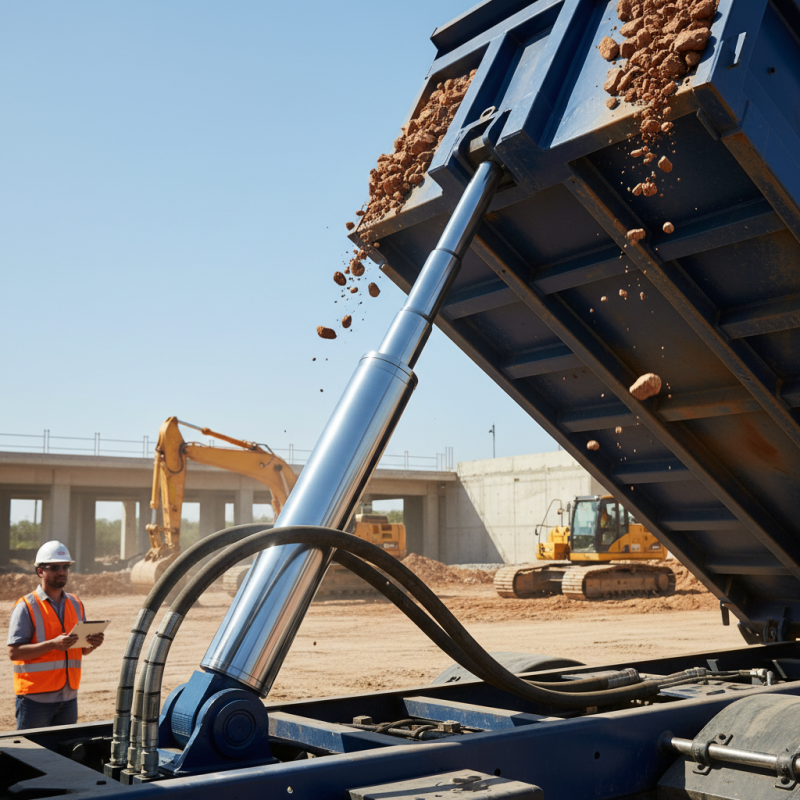
A dump truck cylinder is a key component in the truck's hydraulic system. It enables the truck to lift and dump materials like gravel or dirt efficiently. This cylinder uses hydraulic fluid to create pressure, which lifts the dump bed at an angle. As the bed rises, gravity aids in unloading the contents.
Maintaining the dump truck cylinder is crucial for optimal performance. Regularly check for leaks in hydraulic lines. Small leaks can lead to bigger issues. Keep the cylinder clean to prevent dirt and grime from causing damage. This practice prolongs the life of the cylinder and improves efficiency.
Over time, wear and tear may affect the cylinder's functionality. If you notice the cylinder struggling to lift the load, it might need servicing. Don’t ignore unusual noises or movements. It's often a sign that something is off. Staying vigilant can save time and money in repairs.
Components of a Dump Truck Cylinder
A dump truck cylinder is an essential component that enables the unloading mechanism of the truck. It primarily facilitates the lifting and lowering of the dump bed. The cylinder operates using hydraulic fluid, which generates force. As the fluid enters the cylinder, it pushes against a piston, raising the bed.
Key components of a dump truck cylinder include the piston, the rod, and the cylinder itself. The piston is a metal disc that moves inside the cylinder. When hydraulic fluid fills the cylinder, it creates pressure, moving the piston upward. This upward motion lifts the dump bed, allowing materials to be discharged. The rod connects the piston to the dump bed, transmitting the motion effectively.
According to the National Fluid Power Association, hydraulic systems can have an efficiency rating of up to 85%. However, wear and tear can compromise performance over time. Regular maintenance is crucial to avoid leaks and ensure the seals remain intact. A small leak can reduce efficiency significantly, emphasizing the need for routine checks.
How a Dump Truck Cylinder Operates
A dump truck cylinder plays a crucial role in the vehicle's hydraulic system. This component is responsible for lifting the truck's bed, making it possible to unload heavy materials. A simple push of a button engages the hydraulic pump. As the hydraulic fluid flows, it creates pressure within the cylinder, allowing it to extend.
The operation of a dump truck cylinder relies on fundamental mechanics. Inside the cylinder, a piston moves up and down as pressure changes. When the piston moves up, the truck bed elevates, enabling the materials to slide off easily. The process sounds straightforward, yet even minor issues can disrupt it. For instance, leaks in the hydraulic lines can diminish efficiency. Regular checks are essential.
Understanding the dump truck cylinder is vital for operators. Proper maintenance can extend its lifespan. Operators should be aware of strange sounds or slow operations. These signs often indicate underlying problems. Although the system is reliable, it’s not infallible. Knowledge of these details ensures better handling of the equipment.
Common Types of Dump Truck Cylinders
Dump truck cylinders play a crucial role in the operation of these heavy-duty vehicles. They are responsible for lifting and tilting the truck bed, allowing for efficient unloading of materials. The most common types of dump truck cylinders include single-acting and double-acting cylinders. Each type has unique features suited for different applications.
Single-acting cylinders use hydraulic pressure to perform work in one direction. They are often more straightforward and easier to maintain. On the other hand, double-acting cylinders provide movement in both directions. They tend to be more versatile but can also require more intricate maintenance. According to the "Heavy Equipment Industry Report", over 40% of professionals prefer double-acting cylinders for their reliability and power.
Material choice greatly influences performance. Most cylinders are crafted from high-strength steel to resist corrosion and wear. However, some users report issues with fatigue over time. This raises questions about the longevity of components under extreme conditions. Regular inspections can mitigate these challenges, ensuring optimal functionality. Understanding the nuances of these cylinders is vital for operators to make informed decisions.
Maintenance Tips for Dump Truck Cylinders
Maintaining dump truck cylinders is crucial for vehicle longevity. Regular inspections can prevent costly repairs. According to industry reports, nearly 25% of hydraulic failures stem from inadequate maintenance. Observing cylinder leaks is vital. If you spot fluid dripping or pooling beneath the truck, it’s time for attention.
Routine cleaning is essential for these hydraulic components. Dirt and debris can cause blockages or wear. A simple wash can prevent significant damage. Furthermore, lubricating the cylinders regularly improves performance. Studies show that proper lubrication extends cylinder life by up to 30%.
Monitoring fluid levels is another key practice. Low fluid can lead to overheating and eventual failure. Checking the hydraulic fluid level weekly keeps the system running smoothly. It’s also wise to replace fluid as per the manufacturer’s guidelines. These measures ensure that dump truck cylinders operate efficiently, reducing downtime and enhancing productivity.
What is a Dump Truck Cylinder and How Does It Work? - Maintenance Tips for Dump Truck Cylinders
| Cylinder Component | Description | Function | Maintenance Tips |
| Cylinder Tube | The main body of the cylinder, usually made of steel. | Houses the hydraulic fluid that powers the cylinder. | Inspect for corrosion and damage regularly; clean to prevent dirt accumulation. |
| Piston | A solid part inside the cylinder that moves up and down. | Converts hydraulic pressure into mechanical force. | Check for wear and tear; lubricate as required to ensure smooth movement. |
| Seals | Rubber or synthetic components that prevent fluid leakage. | Maintain pressure within the cylinder and prevent contamination. | Inspect and replace worn seals to avoid hydraulic leaks. |
| Rod | Connects the piston to the dump truck's lifting mechanism. | Transmits the force generated by the piston to the dump bed. | Check for bending or damage; ensure proper alignment with the lifting mechanism. |
| Hydraulic Fluid | Fluid used to transfer power within the hydraulic system. | Facilitates the movement of the piston by generating pressure. | Monitor fluid levels and replace with the recommended type when necessary. |