How to Effectively Repair Your Forklift for Maximum Efficiency?
In the logistics and warehousing industry, forklift efficiency is crucial. A report from the Material Handling Industry of America (MHIA) states that poor maintenance can lead to a 20% drop in productivity. This emphasizes the importance of forklift repair. Regular maintenance helps prevent extensive breakdowns and costly repairs. Moreover, a well-maintained forklift can last significantly longer, reducing overall costs.
Adhering to best practices in forklift repair not only ensures safety but also enhances operational efficiency. According to OSHA, faulty forklifts are a leading cause of workplace accidents. By investing in repairs and routine checks, businesses can mitigate risks and improve workplace safety. A great deal of knowledge surrounds effective repair strategies, yet many companies overlook this critical aspect.
Recognizing when a forklift needs repair can be challenging. Operators may ignore minor issues, which could escalate into major problems. Effective communication and training are essential in fostering a culture of maintenance awareness. Business owners should encourage their team to report concerns promptly. A proactive approach to forklift repair results in better performance and less downtime.
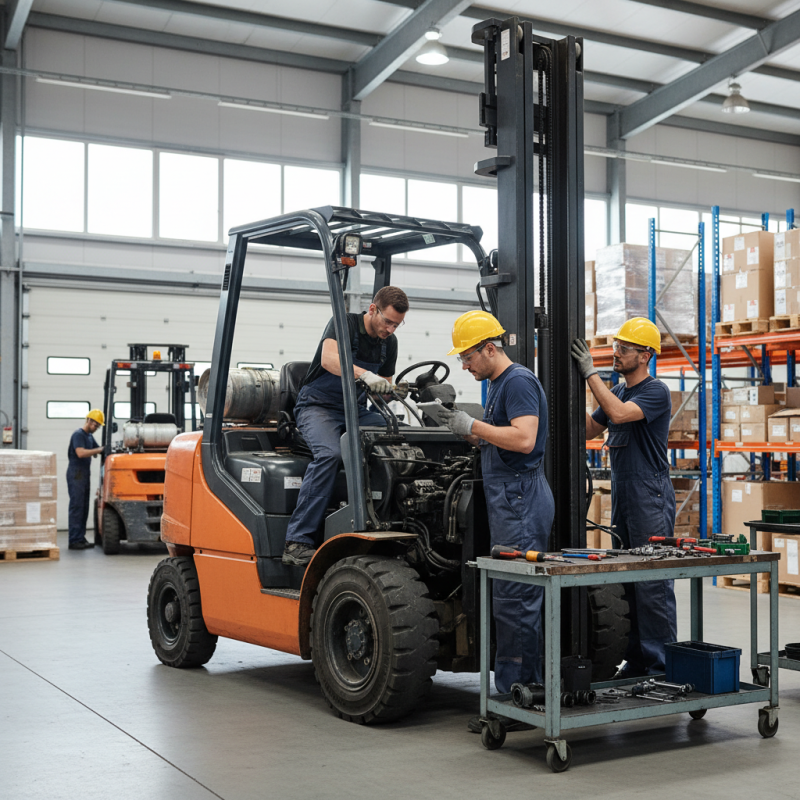
Understanding Common Forklift Issues and Their Causes
Forklifts are essential for warehouse operations. However, they can encounter several common issues that hinder their efficiency. One frequent problem is a dead battery. This often results from improper maintenance or leaving the forklift idle for too long. Regularly checking battery connections and charging schedules can prevent unexpected downtime.
Another common issue is hydraulic system failure. This can lead to lifting problems or leaks. Operators should be trained to recognize the signs of hydraulic fluid loss and report it immediately. Ignoring small leaks can escalate into major repairs, causing significant operational delays.
Tire wear and tear is also a critical concern. Worn tires can reduce traction and increase rolling resistance, negatively affecting productivity. Forklift tires should be inspected regularly for signs of damage or uneven wear. Organizations often overlook this aspect but maintaining proper tire condition is vital for safe and effective operation.
Essential Tools and Equipment for Forklift Repair
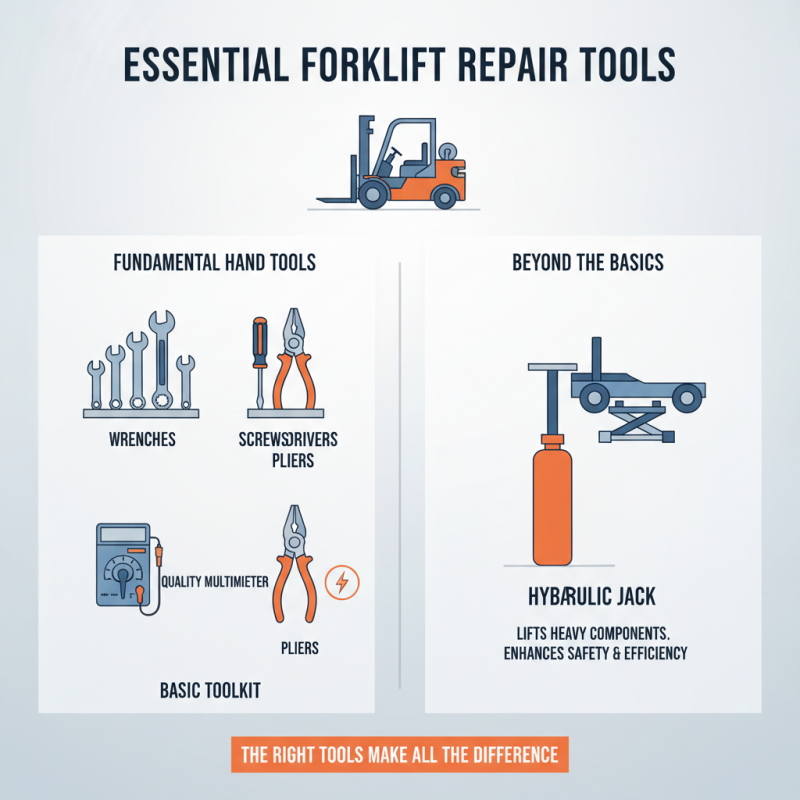
When it comes to forklift repair, the right tools and equipment make all the difference. Essential tools include wrenches, screwdrivers, and pliers, which are fundamental for most repairs. Having a quality multimeter also helps diagnose electrical issues effectively. It’s important to have a basic toolkit on hand, but think beyond the basics. A hydraulic jack can assist in lifting heavy components, ensuring safety and efficiency during repairs.
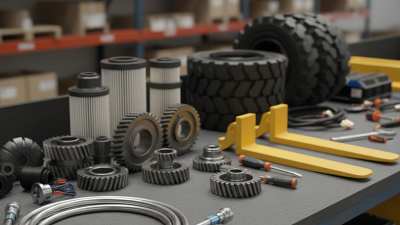
In addition to hand tools, consider investing in specialized equipment. Battery tenders and chargers keep power sources healthy. Forklift parts cleaner is necessary for routine maintenance. Use oil and lubricants to prevent wear and tear on moving parts. These tools often save time in the long run. Repairing a forklift can be tricky. Relying solely on generic tools might not suffice. Recognizing the need for specialized solutions can enhance your repair efficiency significantly.
Reflect on your repair process. Are you using tools effectively? Sometimes, simpler tools can lead to better outcomes. Evaluate if your workshop space is organized. A cluttered area may slow you down. Mastering the use of tools not only improves efficiency but also boosts your confidence in repairs. Remember, continued learning and adaptation are key to mastering forklift maintenance.
Step-by-Step Guide to Troubleshooting Forklift Problems
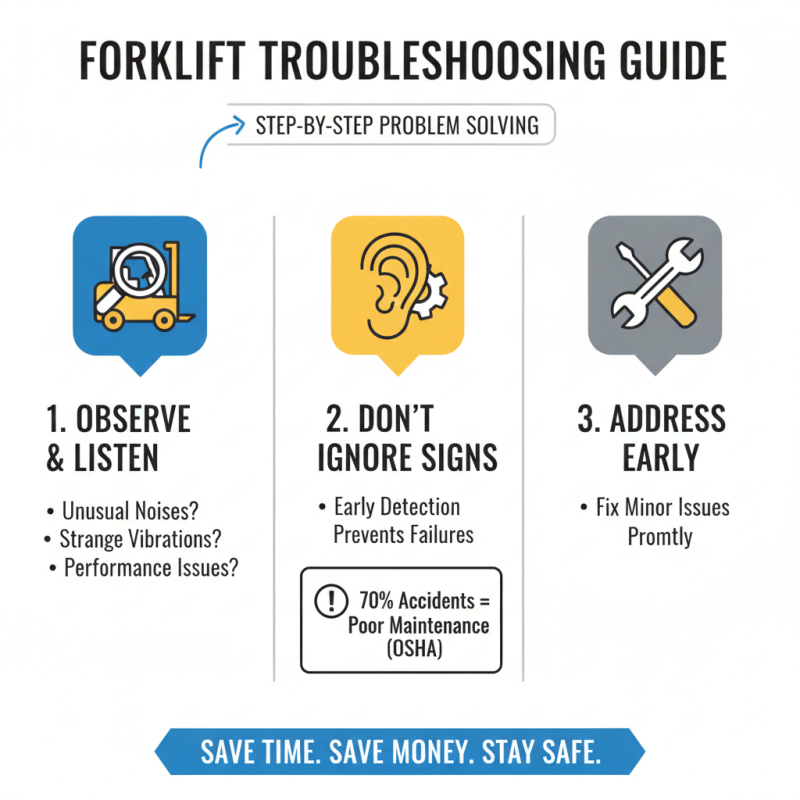
When troubleshooting forklift issues, it’s crucial to adopt a systematic approach. Start by observing the forklift's performance. Are there unusual noises or vibrations? Many operators overlook these signs, but a study by the Occupational Safety and Health Administration (OSHA) indicates that 70% of workplace accidents involve poorly maintained equipment. Addressing minor complaints early can prevent major failures.
Next, check the fluid levels. Hydraulic fluid, oil, and fuel are vital. A manufacturer’s report highlights that improper fluid levels can decrease efficiency by 30%. If levels are low, it may indicate leaks or evaporation. Always inspect for visual signs of wear and tear. Damaged hoses or worn tires may necessitate immediate replacement. Ignoring these elements could lead to unexpected downtime.
Finally, think about the maintenance schedule. Regular checks can significantly reduce breakdowns. Many fleet operators fail to adhere to these schedules, often resulting in costly repairs. The National Forklift Safety Council found that equipment that follows a strict maintenance regimen lasts up to 50% longer. A commitment to preventive measures pays off in the long run. Frequent inspections and timely repairs enhance safety and productivity in any operation.
Preventative Maintenance Practices for Forklift Longevity
Preventative maintenance is key to extending the life of your forklift. Regular inspections can identify potential issues before they escalate. Check fluid levels daily. Look for leaks and ensure battery terminals are clean. These small steps can prevent major breakdowns later.
Also, keep an eye on tire conditions and fork wear. Worn tires affect stability and performance. Rounding forks can lead to unsafe loads. Address these issues promptly to enhance safety and efficiency.
Maintenance schedules should be adhered to strictly, but don’t just follow them blindly. Adjust based on your operational environment and usage patterns.
Involving your team in maintenance can yield benefits. Encourage operators to report any unusual sounds or performance changes. Their insights can often uncover problems that routine checks might miss. Reflect on previous maintenance challenges to avoid repeating mistakes. Every minor adjustment counts towards better efficiency.
Best Practices for Ensuring Forklift Efficiency Post-Repair
Maintaining forklift efficiency after repairs is crucial for operational success. Industry studies indicate that regular maintenance can enhance a forklift's lifespan by up to 30%. This ensures that your equipment remains reliable and reduces unplanned downtimes.
One key practice is to conduct thorough inspections post-repair. Check all aspects, including hydraulics and electrical systems, to ensure everything is functioning correctly. This helps identify potential issues before they become serious problems.
Tips: Create a checklist for inspections. Include tire condition, fluid levels, and brake effectiveness.
Training operators on proper forklift use can further increase efficiency. An informed operator can prevent misuse and extend the machine's longevity. Industry data reveals that trained operators can improve productivity by 10% to 15%.
Tips: Hold regular training sessions for your team. Review safety practices and equipment operation.
It’s important to document the repair process and any changes made. This allows for better tracking of patterns in performance. Acknowledging areas that need improvement plays a vital role in maintaining your forklift's efficiency.