What is a Pressure Compensating Dripper and How Does it Work?
A Pressure Compensating Dripper is an innovative irrigation tool designed to deliver water evenly. This device plays a crucial role in enhancing water efficiency in agriculture. It ensures that plants receive the proper amount of water regardless of variations in pressure. Such performance is essential for maximizing crop yields.
These drippers function by adjusting the flow rate based on the pressure within the irrigation system. Their design allows them to maintain a consistent delivery rate, even in uneven terrains. This feature is critical in regions where elevation changes can create pressure inconsistencies. However, it’s worth noting that improper installation can hinder their performance.
Understanding how a Pressure Compensating Dripper works can lead to better irrigation practices. This device can significantly influence water conservation efforts. Professionals in agriculture must grasp the importance of this technology. Its reliability can sometimes be overestimated, leading to challenges if misused. Careful monitoring and adjustment can enhance its effectiveness.
What is a Pressure Compensating Dripper?
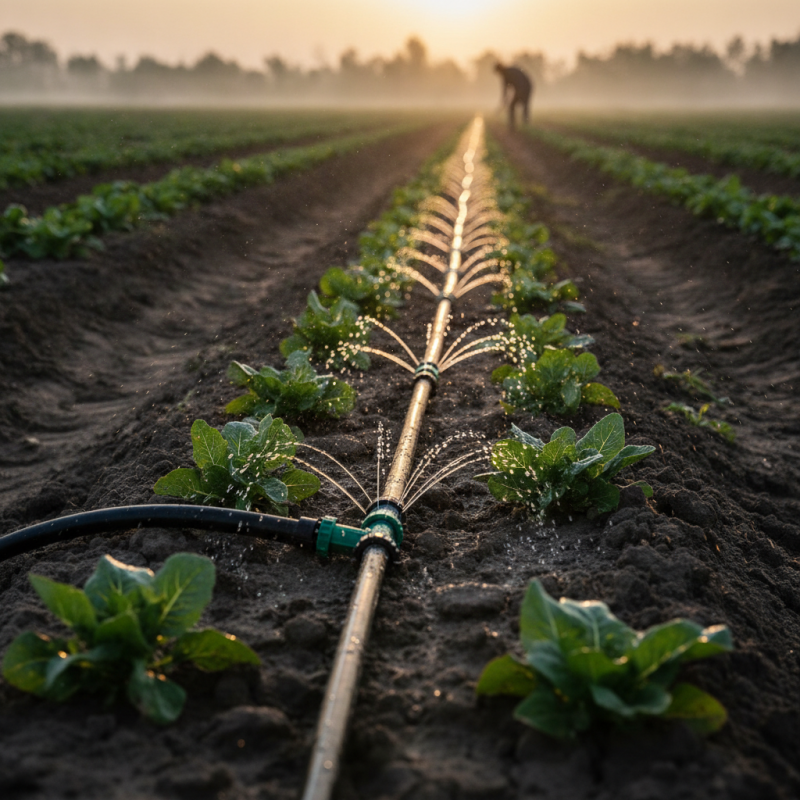
A pressure compensating dripper is a crucial tool in modern irrigation systems. This device ensures that water flow remains consistent, regardless of variations in water pressure. It is designed to deliver a uniform amount of water to plants, promoting healthy growth and efficient use of resources.
These drippers function using a pressure chamber that equalizes pressure, allowing for controlled water release. As water travels through the dripper, it encounters resistance, which regulates flow rates. This mechanism is particularly beneficial in uneven terrains where pressure might fluctuate significantly. Depending on the design, some drippers can maintain flow rates even when the water source varies. However, not all drippers perform perfectly under all conditions. Factors like clogging and wear can affect their efficiency, leading to uneven watering. Regular maintenance is essential for optimal performance.
In practice, users often find some drippers more reliable than others. Field-testing can provide insights into their effectiveness in specific environments. Observing plant health over time can reveal whether adjustments are necessary. Balancing efficiency and reliability often requires trial and experience.
Key Components of Pressure Compensating Drippers
Pressure compensating drippers play a crucial role in efficient irrigation systems. They are designed to deliver a consistent flow rate regardless of pressure variations. This feature ensures that each plant receives the necessary amount of water, even if the elevation or distance changes across the irrigation zone.
Key components of pressure compensating drippers include the flow path, the diaphragm, and the inlet screen. The flow path is engineered to maintain steady water output. The diaphragm adjusts automatically to changing pressure levels. This responsive design is pivotal for uniform watering. An inlet screen prevents debris from clogging the dripper, enhancing reliability.
While pressure compensating drippers are generally effective, they are not without limitations. Incorrect installation may lead to uneven distribution. Regular maintenance is necessary to avoid potential blockages. Users sometimes overlook this aspect, impacting system performance. Proper understanding of each component helps in maximizing the benefits of these drippers.
How Pressure Compensating Drippers Operate
Pressure compensating drippers are essential in modern irrigation systems. They ensure plants receive consistent water flow, even if terrain varies. These devices work by maintaining steady pressure, providing uniform irrigation. This is crucial in fields with differing elevations.
The operation of pressure compensating drippers relies on a built-in diaphragm. This component adjusts the flow rate based on pressure changes. When pressure increases, the diaphragm closes slightly to reduce water output. Conversely, if pressure drops, the diaphragm opens up, allowing more water to flow. This precise mechanism helps prevent overwatering and underwatering. It results in healthier crops and improved water efficiency.
Even skilled users can encounter challenges. Sometimes, drippers may clog or function inefficiently. Regular maintenance is key to overcoming these issues. Periodically checking for blockages can save time later. The reliability of these devices hinges on their proper care and usage. Understanding their operation allows growers to optimize irrigation strategies effectively.
Benefits of Using Pressure Compensating Drippers in Irrigation
Pressure compensating drippers play a crucial role in irrigation systems. They ensure a consistent water flow despite changes in pressure. This feature is vital for the growth of plants, especially in uneven terrains or varied soil types. The reliable distribution of water helps in reducing water wastage, making irrigation more efficient.
One significant benefit of pressure compensating drippers is their ability to adapt to different pressure levels. Whether on a hillside or flat land, plants receive the same amount of water. This uniformity promotes healthy plant growth. It helps farmers and gardeners save resources while maximizing crop yield, but it can be costly to install.
Another advantage is that these drippers minimize clogging. They often come with built-in filtration systems. This lowers maintenance needs and ensures long-term functionality. However, occasionally, the filters may require cleaning. Regular checks ensure optimal performance. Overall, pressure compensating drippers present a practical solution for modern irrigation challenges, although awareness of upkeep is essential.
Benefits of Using Pressure Compensating Drippers in Irrigation
Applications of Pressure Compensating Drippers in Agriculture
Pressure compensating drippers (PC drippers) are vital tools in modern agriculture. They ensure consistent water delivery across various environments. This feature is crucial, especially in fields with varying topography. Farmers rely on these drippers to optimize resource use. They reduce water wastage significantly.
In agriculture, PC drippers find multiple applications. They are commonly used in orchards and vineyards. These crops demand specific water levels to thrive. With PC drippers, farmers can maintain the right moisture content. This system reduces labor costs, as fewer adjustments are needed. It also diminishes the risk of overwatering, which can harm plant roots.
However, challenges remain. Clogging can affect performance. Regular monitoring is necessary to ensure efficiency. Adaptation to different crop types also requires experimentation. Observations on how different plants respond are vital. Innovative approaches can enhance the effectiveness of PC drippers in diverse agricultural settings. Continuous research is essential for future advancements.