A telehandler can lift pallets over obstacles, place materials on upper floors, and move loads across uneven ground. But choosing one by name alone is not enough. The right Telehandler Forklift Rental depends on the load’s weight, required lift height, forward reach, and the conditions at your worksite. A compact machine may suit a tight residential project, while a larger model may be needed for heavy materials or greater reach. Small details matter. They really do.
In 2026, start by describing the job clearly to rental providers. Share load dimensions, ground conditions, access limits, and the expected rental period. Ask about delivery, fuel, attachments, damage terms, and what the quoted rate includes. Prices can vary, and the lowest quote may not cover the equipment your site needs. That is easy to miss.
This guide explains how to compare machines, check rental terms, and prepare for delivery. It also covers practical inspection points, operator requirements, and safe-use guidance based on the manufacturer’s instructions. Before signing, confirm the model’s load chart supports your planned lift at the required reach. A rating at one position does not guarantee the same capacity farther out. Even experienced teams can overlook that. A careful fit may take longer to arrange, but it can prevent costly delays and awkward surprises on site.
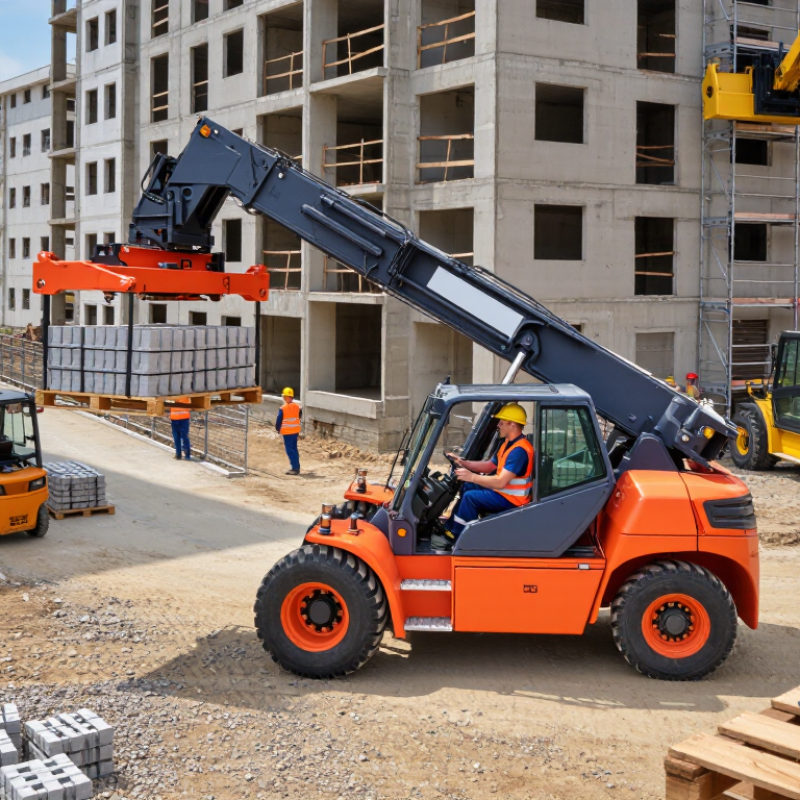
A telehandler combines a forklift’s load handling with a telescopic boom, letting crews place materials beyond the machine’s immediate reach. It is useful on construction sites, farms, and industrial yards where rough ground or elevated storage complicates delivery. A pallet of blocks may need to clear a trench, while roofing materials must reach a higher level. That reach comes with trade-offs: extending the boom changes the machine’s rated capacity.
The American Rental Association’s 2024 industry forecast estimated U.S. equipment and event rental revenue at roughly $73 billion. This broad figure reflects rental demand, not telehandler-specific bookings. For renters, the practical point is flexibility: choose a machine for the task rather than owning equipment used only occasionally. In practice, the choice is not always obvious.
Before renting, note the heaviest load, required lift height, forward reach, ground slope, and available clearance. Ask the rental provider to match these details against the machine’s load chart; capacity can fall sharply as the boom extends. Check tire condition, controls, and visibility during handover. Small details count. If workers need a platform, confirm that the machine and approved attachment are designed for that use. A rushed estimate can look reasonable on paper, then fail beside a narrow access lane.
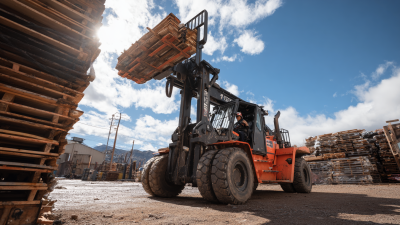
How to Rent a Telehandler Forklift in 2026?
Start with the heaviest load and the point where it must land. Include pallets, attachments, rigging, and any material carried with the load. A telehandler’s rated capacity changes as the boom extends and rises; the maximum figure on a listing does not apply at every reach. Check the load chart for the exact machine configuration, then compare its rated capacity at the required height and horizontal distance. Measure the landing point, not just the obstacle. A load set behind a wall may need more reach than expected.
Ground conditions matter. Soft soil, slopes, tight turns, and overhead obstructions can limit where the machine can safely work. The BLS recorded 1,075 fatal work injuries in construction in 2023; this is not a telehandler-specific count, but it underscores the cost of poor planning. ANSI/ITSDF B56.6 provides safety requirements for rough-terrain forklift trucks, including telehandlers. Ask the rental provider for the applicable load chart and operating guidance. A common planning miss is forgetting that an attachment can change capacity and visibility. Recheck the setup. A precise drawing can still miss a muddy patch or an awkward final turn.
| Planning Dimension | What to Assess | Typical Planning Range | Rental Decision and Checks |
|---|---|---|---|
| Load weight | Weigh the heaviest item, including packaging, pallet, rigging, or other items lifted with it. | General-purpose machines commonly have rated capacities from about 5,000 to 12,000 lb. | Choose a machine whose load chart supports the full load at the required boom position. Do not rely on the maximum rated capacity alone. |
| Lift height | Measure from the ground to the actual placement point, including any required clearance. | Common models may offer maximum lift heights of roughly 19 to 56 ft, depending on machine class. | Confirm the load chart at the required height and boom extension; lifting capacity typically decreases as reach increases. |
| Horizontal reach | Measure the distance from the machine’s front tires to the load’s placement point. | Reach varies substantially by model; many construction telehandlers provide approximately 10 to 40 ft of forward reach. | Ask the rental provider for the exact model’s load chart and verify capacity at the needed forward reach. |
| Worksite terrain | Check slope, soil firmness, mud, gravel, overhead obstructions, and available turning space. | Rough-terrain models are commonly used on uneven construction sites; compact models may suit tighter access areas. | Match tires, ground clearance, drive configuration, and machine size to site conditions. Confirm ground-bearing and slope limits. |
| Attachment | Identify whether the job requires forks, a bucket, a work platform, or another approved attachment. | Attachment compatibility and capacity are model-specific. | Confirm the attachment is approved for the machine. Its weight and geometry can reduce available capacity and change the load chart. |
| Operating envelope | Check doorways, aisles, overhead power lines, scaffolding, and the route between pickup and placement points. | Overall height, width, turning radius, and boom dimensions vary by model. | Measure the narrowest and lowest points on the route before booking, and plan safe clearance around people and structures. |
| Rental period and delivery | Estimate operating days, delivery access, unloading space, and any likely schedule changes. | Rental terms and transport arrangements vary by location and provider. | Confirm the quoted period, delivery and collection arrangements, fuel or charging expectations, and any applicable damage or cleaning terms. |
| Final safety and capacity check | Review the operator’s manual, machine condition, site hazards, and the planned lift before work begins. | Use the load chart and operating limits supplied for the exact machine and attachment. | Never exceed the applicable load-chart rating. Use trained operators and follow local regulations and the manufacturer’s instructions. |
When comparing telehandler rental providers in 2026, look beyond the daily rate. A low quote may exclude delivery, pickup, or a standard fork attachment. Ask each provider for an itemized estimate covering the same rental period and machine capacity. A 6,000-pound model may suit palletized materials, while heavier loads or greater reach require different specifications. Check the load chart for the planned lift height and reach; capacity can drop quickly as the boom extends. Small detail, big consequence.
Compare availability and support, too. Ask how quickly a replacement machine can arrive if a fault stops work, and whether routine servicing is included. Clarify who handles transport on narrow or uneven access roads. A provider with a nearby service team may reduce downtime, though a higher rate does not guarantee faster repairs. Request realistic response times in writing.
Read contract terms before booking. Confirm minimum rental days, overtime charges, fuel-return expectations, cleaning fees, and the process for extending the hire. Check the damage policy carefully: ordinary wear, tire damage, and operator-caused damage may be treated differently. Ask what insurance documentation is required and whether a damage waiver has limits or exclusions. Take dated photos of the machine, tires, and attachments at delivery; it takes minutes, and people sometimes forget. Make sure the quoted rate, agreed dates, and any promised support appear on the signed paperwork.
How to Rent a Telehandler Forklift in 2026?
Preparing Site Access, Delivery, and Operator Requirements
Before booking, measure the narrowest gate, overhead clearance, and turning space on the delivery route. Include parked vehicles, temporary fencing, and low branches. A machine may fit on paper but still struggle to reach the work area. Check the ground, too. Soft soil, steep slopes, and hidden service covers can affect access and safe positioning. Take clear photos and share them with the rental provider. That detail is easy to miss.
Plan where the telehandler will be unloaded and parked. Keep the drop-off area level, firm, and clear of pedestrians. Confirm delivery times, site contact details, and any access restrictions before dispatch. If a truck needs room to reverse or turn, mark that space in advance. Weather can change ground conditions overnight, so recheck the route on delivery day. I would not assume yesterday’s access plan still works.
Confirm who will operate the machine and whether they have suitable training and experience for the equipment and task. Tell the provider the required lift height, load weight, and attachment type; these details affect machine selection. Review the operating instructions and inspect controls, tyres, forks, and warning devices before use. Stop if anything seems unclear or damaged. A rushed handover is not a good handover.
Before accepting a telehandler, inspect it on level ground with the rental representative. Check the tires for cuts, the forks for bends, and the boom for visible damage or leaks. Look closely at hydraulic hoses and fittings. Small drips matter. Test the steering, brakes, lights, alarms, and stabilizers, if fitted. Ask to see the load chart and confirm it matches the machine and attachment you will use. Rated capacity changes with reach and boom angle; never judge it by appearance alone.
Take clear photos of existing dents, worn tires, and the hour meter. Note them on the handover record before the machine leaves the yard. I would also ask for a brief controls demonstration, even if the operator has used similar equipment. Controls can vary, and assumptions are easy to make. Check that the operator’s manual and emergency contact details are available in the cab.
During the rental, keep a simple daily record of hours, inspections, and any warning lights. Park on firm, level ground, lower the boom, and follow the site’s shutdown procedure. Report faults promptly rather than trying an unfamiliar repair. Confirm the return time, fuel level, cleaning expectations, and collection arrangements in writing; these details are easy to overlook on a busy site.
Content © 2025 Komatsu. All Rights Reserved