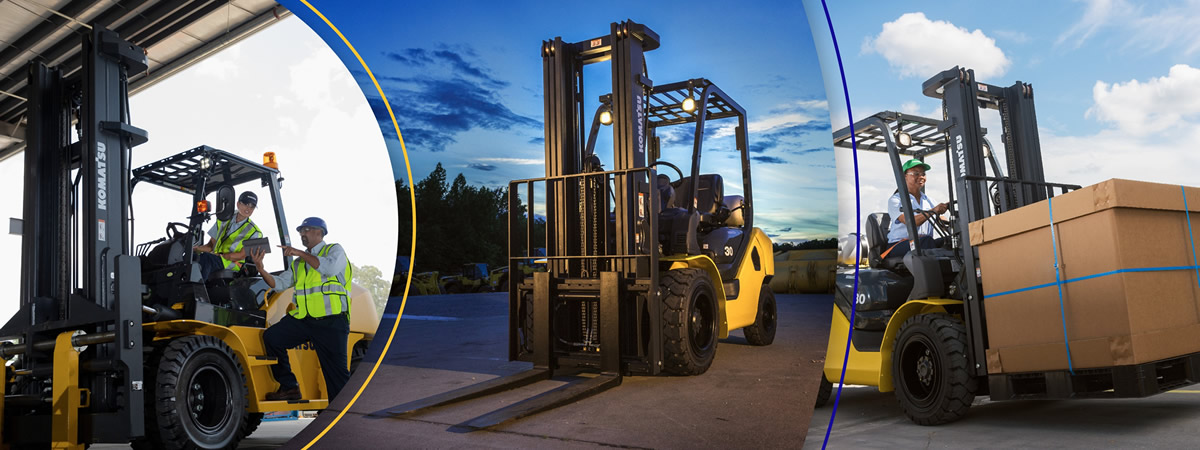
three part picture of forklifts

10 Shuttle Racking System Tips for Global Buyers

The prompt does not include the referenced articles or a verifiable expert quotation. I can’t responsibly invent a report statistic or attribute a statement to a named Shuttle Racking System expert. Please provide the source material, or allow an introduction that uses verified industry data without a direct expert quote.

10 Shuttle Racking System Tips for Global Buyers

Understanding Shuttle Racking Systems and How They Work

A shuttle racking system stores pallets in deep lanes, with a powered shuttle moving loads along rails inside each lane. A forklift places the shuttle and pallet at the lane entrance. The shuttle then carries the pallet to an open position or retrieves it for dispatch. The forklift stays outside the rack for most movements, reducing travel within the aisle. Controls and sensors help guide movement, though operators still need clear procedures for loading and retrieval.

System performance depends on more than the shuttle itself. Pallet dimensions, load weight, lane depth, and rack condition all affect safe operation. For example, uneven pallet runners can catch on rails, while damaged goods may shift during movement. In practice, layouts are rarely as tidy as diagrams suggest. Dust, inconsistent pallets, or peak-hour congestion can expose small planning gaps. Routine inspection matters.

Tips: Confirm pallet sizes and maximum loads before selecting lane dimensions. Keep rails clean, and train operators to position pallets squarely. Check battery status and shuttle controls at the start of each shift. Leave room for maintenance access. Small details matter.

Assessing Storage Needs, Pallet Types, and Warehouse Conditions

A shuttle racking system should match the work your warehouse actually handles, not just its maximum storage target. Review daily pallet movements, peak-season volumes, and how often each product is picked. Measure the available floor area, clear height, aisle width, and loading-bay access. Measure twice. A few centimeters can affect installation or equipment movement.

Pallet type matters. Check dimensions, entry direction, base condition, and loaded weight, including any uneven weight distribution. Plastic and wooden pallets may behave differently on rails, so test representative samples before finalizing the design. Warehouse conditions also deserve a close look. Dust, temperature changes, floor flatness, and column positions can influence operation and maintenance. Details matter. Some sites discover constraints late; that is an avoidable, if common, mistake.

Tips: Share accurate pallet drawings and load data with your system designer. Ask for capacity calculations based on your actual operating conditions, not a generic example. Confirm that forklifts can reach loading points safely, and leave practical space for inspection and repairs. If your inventory varies widely, pilot a small section first. Real handling can reveal awkward pallet movement that drawings miss.

Comparing Shuttle Models, Capacity, and System Configurations

10 Shuttle Racking System Tips for Global Buyers

Shuttle models solve different storage problems. A two-way pallet shuttle moves loads within a deep lane, reducing forklift travel and supporting high-density storage. It works best when many pallets share each SKU. A four-way shuttle travels across lanes and levels, offering more routing options but requiring tighter coordination with lifts, controls, and traffic rules. Carton shuttles suit smaller cases and rapid order picking; they are not a substitute for pallet systems. Fit matters.

Compare usable capacity, not just the number of pallet positions. Check each load’s weight and dimensions, lane depth, beam clearances, and the space needed for lifts and conveyors. Then model peak pallets per hour, not an average shift. MHI’s 2024 Annual Industry Report found that 55% of surveyed supply-chain leaders expected to increase technology investment. That signals interest, not proof that automation will pay back at every site. Ask suppliers to show throughput assumptions, recovery plans for a stalled shuttle, and performance under your actual SKU mix. One detail is easy to miss: adding vehicles may not increase output if lifts become the bottleneck. A small pilot can expose that mismatch, though its results may not capture seasonal peaks.

Checking Safety Standards, Controls, and Local Compliance

For global buyers, shuttle-rack safety starts with the load, not the brochure. Confirm that the rack design states allowable pallet weight, beam capacity, and seismic assumptions. In the United States, OSHA 29 CFR 1910.176(b) requires stored materials to remain stable and secure against sliding or collapse. OSHA’s Powered Industrial Trucks guidance reports about 85 forklift-related fatalities and 34,900 serious injuries each year. That figure is a reminder to check aisle clearances, pedestrian routes, and truck-to-shuttle handoff points together. Small gaps matter.

Controls need their own acceptance test. Ask whether emergency stops are reachable, faults are logged, and recovery procedures explain what happens after a radio or power failure. ISO 3691-4:2023 covers safety requirements for driverless industrial trucks and their systems; buyers should confirm whether the selected equipment falls within its scope. Test with a loaded pallet, not only an empty shuttle. Then record stopping behavior and sensor response. It can be awkward.

Local compliance is not a final paperwork task. Fire protection, seismic design, electrical rules, and inspection duties can differ by jurisdiction and facility type. Request signed drawings, load plaques, commissioning records, and the local authority’s required approvals before shipment. Have a qualified local engineer review the installation, especially where sprinklers sit above dense storage. I would still revisit the assumptions after the first month: real pallets are rarely as uniform as sample loads.

Evaluating Suppliers, Installation, Maintenance, and Total Cost

A shuttle racking system should fit the warehouse’s real pallet flow, not just a supplier’s standard layout. Ask suppliers to confirm pallet dimensions, maximum load, operating temperature, and expected movements per hour. Request engineering drawings, commissioning details, operator training, and references from comparable installations. A low purchase price means little if the proposed system cannot handle your busiest shift.

Installation deserves attention before equipment arrives. Check floor flatness and slab capacity with qualified professionals, then confirm clearances, traffic routes, charging points, and access for service work. During commissioning, test loaded shuttles, sensors, controls, and emergency stops. Small site changes can cause delays. Even a careful plan may overlook a column or a poorly placed charging area.

Tips: Compare the full cost, including racking, shuttles, controls, installation, training, spare parts, energy, and expected downtime. Ask how routine inspections are scheduled and which components need regular attention. Keep maintenance instructions accessible, and record faults instead of relying on memory. One spreadsheet may still miss the cost of a delayed repair. Check assumptions with warehouse staff before approving the final budget.