
three part picture of forklifts

How to Source Channel Magnets Wholesale in 2026

Sourcing Channel Magnets wholesale in 2026 requires more than comparing the lowest unit price. Buyers must examine magnetic strength, coating quality, channel dimensions, packaging, and production consistency. A magnet that looks acceptable in a sample may lose holding power after repeated installation, heat exposure, or outdoor use. Small differences matter.

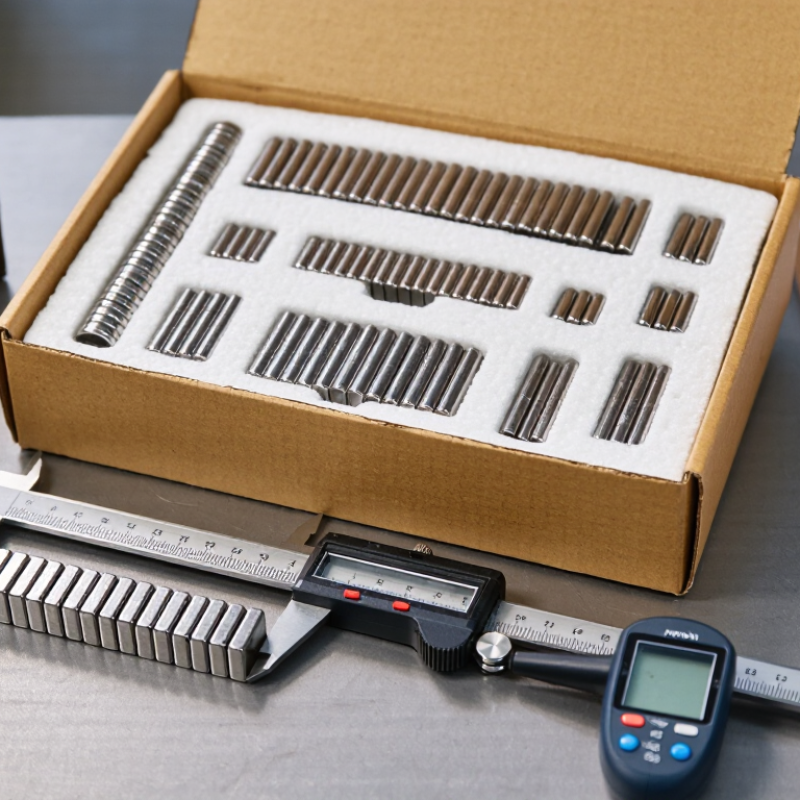
Industry sourcing consultant Elena Brooks explains, “Reliable Channel Magnets begin with verified specifications, not attractive quotations.” Her point is practical. Ask suppliers for material grades, pull-force data, tolerance ranges, and recent batch records. Request physical samples before approving large quantities. Place one sample on the intended surface. Test it after movement, storage, and temperature changes. Keep photographs and measurements for comparison.

Supplier selection also depends on communication. A responsive factory can clarify tooling costs, minimum order quantities, lead times, and replacement policies. A vague answer is a warning sign. So is an unusually cheap offer. It may reflect thinner coatings, weaker magnet material, or inconsistent assembly.

In 2026, responsible wholesale sourcing should include transparent manufacturing information and sensible quality checks. Buyers should confirm that products meet the requirements of their target markets. Compliance documents must be current and relevant. Do not assume every certificate proves product performance.

There is room for better judgment here. I once treated packaging as a minor concern. That was a mistake. Poor packaging can damage coated surfaces before installation. This guide explores practical supplier checks, sample testing, pricing factors, and purchasing decisions. The goal is simple: dependable Channel Magnets, fewer surprises, and evidence behind every order.
How to Source Channel Magnets Wholesale in 2026

Define Channel Magnets and Their Wholesale Applications

Channel magnets are flexible magnetic strips or blocks designed to sit inside a metal, plastic, or aluminum channel. Their magnetic core provides holding force, while the channel protects the magnet from wear, moisture, and repeated handling. Some models include adhesive backing, mounting holes, or a steel-facing surface for stronger attachment. Fit matters.

In wholesale applications, channel magnets support retail signs, shelf labels, display panels, cabinet doors, light fixtures, and warehouse identification boards. A supermarket may use them to reposition price cards without drilling shelves.

A workshop can attach tool charts to steel cabinets and change layouts quickly. Exhibition builders often use channel magnets for temporary graphics and removable panels. These products reduce installation time and surface damage.

Experienced buyers should compare magnetic strength, channel dimensions, operating temperature, coating quality, and cutting tolerance. Request samples before ordering large quantities. Measure the actual channel depth, not only the advertised size. Adhesive performance can weaken on dusty or curved surfaces. Small errors multiply. Packaging also matters because bent strips may arrive unusable. A reliable supplier should provide test data, batch details, and clear inspection standards. Still, no specification sheet predicts every installation condition. Field testing remains necessary, especially where vibration, humidity, or frequent repositioning is expected.

Identify Product Specifications and Wholesale Purchasing Needs

How to Source Channel Magnets Wholesale in 2026

Before requesting wholesale quotes, define the magnet’s working conditions. Record the channel length, width, depth, and required pull force. Specify the magnet material, grade, coating, and operating temperature. For example, a shallow steel channel may need a compact magnet with stable holding strength. A humid environment may require stronger surface protection. Also confirm hole positions, adhesive needs, and acceptable dimensional tolerance. Small differences can affect assembly. I have seen a two-millimeter error delay an entire production run.

Tips: Prepare a simple product specification sheet. Include drawings, sample photos, expected annual volume, target delivery dates, and packaging requirements. Ask suppliers for test samples before approving bulk production. Check pull-force results under conditions similar to your application. Test with the actual metal surface, not only a laboratory plate. The result may change.

Your purchasing plan should separate trial orders from repeat orders. State the minimum quantity you can accept and the quantity you may purchase quarterly. Request clear details about production time, inspection methods, replacement policies, and export documents. Ask whether each batch receives dimensional and magnetic testing. A supplier’s confident answer is useful, but written records are safer. I sometimes overestimated forecast demand, so flexible quantities matter. Review storage conditions too, because heat, moisture, and rough handling can reduce consistency.

Find and Compare Reliable Channel Magnet Suppliers

Finding reliable channel magnet suppliers in 2026 requires more than comparing unit prices. Start with suppliers that publish clear dimensions, magnetic grade, coating type, temperature limits, and tested pull force. A serious supplier should explain whether results come from laboratory testing or production samples. Ask for a sample batch before discussing large wholesale quantities. Small details matter, such as clean channels, even plating, and consistent hole spacing.

Compare at least three suppliers using the same checklist. Review minimum order quantities, sample fees, production lead times, packaging, and replacement procedures. Request recent quality records, material declarations, and batch traceability documents. Reliable suppliers answer technical questions directly. Vague claims should slow the decision. A lower price may hide weaker magnets, unstable coatings, or costly delays. That is easy to overlook.

Tips: Order samples from two or three suppliers. Measure pull force with the same test method. Check ten pieces, not one. Photograph defects and record dimensions. Ask how rejected products are handled. Confirm shipping terms in writing. A simple comparison sheet prevents emotional buying.

I would also test samples in the environment where they will be used. Heat, moisture, vibration, and repeated removal can change performance. Some suppliers provide excellent samples but inconsistent mass production. That risk deserves attention. I have found that response speed is useful, but it is not proof of manufacturing quality. Factory evidence matters more. Allow extra time for corrections, because the first specification may still be incomplete.

How to Source Channel Magnets Wholesale in 2026 - Find and Compare Reliable Channel Magnet Suppliers

Supplier Profile Typical Channel Magnet Construction Common Wholesale Sizes Magnet Grade and Coating Typical MOQ Sample Lead Time Mass-Production Lead Time Quality Evidence to Request Best Use Case Main Risk to Verify
Stock Distributor Standard steel channel or cup containing a bonded or sintered permanent magnet; usually supplied without custom tooling. Approximately 10–100 mm length, 5–25 mm width, and 3–12 mm height. Commonly NdFeB grades around N35–N52; nickel-copper-nickel plating is frequently used for indoor applications. Usually 10–100 pieces per size. 2–7 business days when stock is available. 5–15 business days, excluding transportation. Material grade, dimensions, coating specification, and a measured pull-force report. Pilot orders, maintenance parts, prototypes, and low-volume resale. Actual stock quantity, dimensional tolerance, and pull force at the customer’s contact surface.
Factory Direct Manufacturer Steel channel, magnet block, adhesive or mechanical retention, with options for countersunk holes, threaded holes, or mounting tabs. Approximately 20–150 mm length, 8–40 mm width, and 4–20 mm height. NdFeB commonly from N35 to N52; nickel, zinc, epoxy, or customized protective coatings are available. Often 500–5,000 pieces per specification. 7–14 business days, including first samples. 20–45 calendar days after drawing approval and deposit. Inspection plan, first-article report, coating thickness, magnetic performance, and lot traceability. Recurring wholesale programs and products requiring custom dimensions. Tooling ownership, production consistency, and whether the quoted pull force is tested under a defined method.
Custom OEM Supplier Engineered channel assembly with custom steel geometry, adhesive selection, protective cover, and controlled magnet orientation. Designed to drawing; production dimensions commonly range from 15–200 mm in length. Grade, plating, corrosion protection, operating temperature, and magnetization direction specified by application. Typically 1,000–10,000 pieces, depending on tooling and assembly complexity. 10–20 business days after technical review. 30–60 calendar days, including tooling and qualification. Dimensional report, magnetic-field map, temperature data, adhesive data sheet, and process-control records. Automotive, industrial equipment, fixtures, and assemblies with strict fit or performance requirements. Unapproved design changes, unclear engineering-change control, and insufficient environmental testing.
Assembly and Adhesive Specialist Magnet and channel supplied as a finished assembly with structural adhesive, tape, sealant, or mechanical fastening. Approximately 25–120 mm length, 8–35 mm width, and 4–18 mm height. NdFeB or ferrite options; epoxy-coated magnets and corrosion-resistant steel are suitable for demanding environments. Usually 300–3,000 finished assemblies. 7–15 business days. 25–50 calendar days, depending on curing and validation requirements. Adhesion test, cure profile, shear or peel data, surface-preparation procedure, and aging test results. Cabinet hardware, signage, access panels, displays, and products requiring ready-to-install parts. Adhesive failure caused by temperature, moisture, contamination, or inadequate curing.
Industrial Magnet Specialist High-holding-force steel channel with optimized pole geometry, thicker backing steel, or multiple magnet segments. Approximately 30–200 mm length, 10–50 mm width, and 5–25 mm height. High-energy NdFeB or temperature-rated grades; coating selection depends on humidity and operating temperature. 250–2,500 pieces per configuration. 10–20 business days. 30–55 calendar days. Pull-force curve, working-gap test, temperature coefficient, demagnetization data, and material certificates. Heavy-duty fixtures, lifting aids, industrial doors, tooling, and machine components. Overstated holding force measured on thick mild steel with zero air gap rather than in the real application.
Export-Oriented Trading Supplier Sources standard or semi-custom channel magnets from multiple factories and manages export documentation. Common catalog sizes from approximately 10–150 mm length. Usually standard NdFeB grades with nickel plating; alternative materials may be available through partner factories. 100–1,000 pieces, depending on the production source. 5–12 business days. 25–50 calendar days, plus international transit. Factory identification, batch inspection, country-of-origin documents, packing list, and pre-shipment inspection. Buyers needing consolidated shipments, multilingual support, or several magnet formats. Unclear manufacturing source, inconsistent batches, and limited control over engineering changes.
Regional Stock-and-Service Supplier Locally stocked channel magnets with cutting, drilling, labeling, kitting, or small assembly services. Usually 15–100 mm standard lengths; custom cutting may be available for selected channel profiles. Standard NdFeB, ferrite, or AlNiCo options; coating and steel protection depend on inventory. 25–250 pieces per stock item. 1–5 business days. 7–20 business days for local customization. Traceable batch label, dimensional check, inventory confirmation, and return or replacement policy. Urgent replenishment, small businesses, and buyers who need shorter delivery times. Higher unit cost, limited size selection, and stock substitution without written approval.
Data note: MOQ, lead time, size range, and performance values are typical 2026 wholesale benchmarks for channel magnet sourcing, not guaranteed quotations. Final specifications depend on magnet material, steel geometry, air gap, contact material, coating, adhesive, order quantity, inspection standard, and shipping terms.
Comparison Metric Recommended Buyer Check Practical Acceptance Target
Dimensional accuracy Request a controlled drawing with tolerances for magnet, channel, holes, and assembly position. Tolerance stated for every critical feature; no approval based only on a catalog photograph.
Magnetic performance Compare pull force using the same steel grade, contact area, air gap, test direction, and measurement method. Approved sample and production batch tested under identical conditions.
Corrosion resistance Match plating and steel protection to humidity, salt exposure, cleaning chemicals, and operating temperature. Written coating specification and environmental test requirement before mass production.
Supply reliability Review production capacity, backup material sources, quality personnel, and corrective-action records. Stable lot traceability, documented inspection, and a written process for nonconforming goods.
Total landed cost Include unit price, tooling, packaging, inspection, duties, freight, insurance, and defect replacement cost. Compare at least three suppliers using the same Incoterm, quantity, specification, and delivery destination.

Evaluate Magnet Quality, Pricing, Certifications, and Lead Times

When sourcing channel magnets wholesale in 2026, evaluate the complete assembly, not only its quoted pull force. Ask for the magnet grade, dimensions, steel channel thickness, coating, and working temperature. Pull force must reference a specific steel plate and air gap. Otherwise, the figures may mislead. Request samples from the intended production batch. Check edge finishing, rubber fit, screw-hole alignment, and corrosion resistance. I once approved a cheaper sample with strong pull. The channel bent during installation. That mistake changed my inspection checklist.

Compare pricing by complete unit, including plating, packaging, inspection, and tooling costs. A low piece price may hide high minimum quantities or weak replacement terms. Request a written quotation showing currency, Incoterms, payment stages, and validity dates. For certifications, obtain current reports for RoHS, REACH, or other applicable requirements. Verify that each report matches the material, product, and manufacturing facility. Certification claims need evidence. Logos alone prove little. Some requirements vary by destination market.

Tips: Start with a pilot order before committing to volume. Measure pull force from several cartons, not one piece. Record dimensions with calipers and inspect plating under bright light. Confirm sample approval, production time, inspection timing, and shipping separately. A realistic lead time includes raw-material availability and holiday closures. Build a small buffer. Delays happen. Ask how failed inspections are handled, and request corrective-action records. Even careful checks can miss a defect.

Place Orders and Manage Wholesale Quality Control in 2026

Wholesale channel magnet orders in 2026 need more than a low unit price. Before requesting quotes, define the magnetic grade, channel dimensions, surface finish, adhesive option, and target load. Send a measured drawing, not a phone photograph. Ask suppliers for a sample lot with numbered pieces. Small details matter. Record magnet strength, polarity, coating thickness, and acceptable dimensional tolerance. These details should appear in the purchase order, not remain in email discussions.

Approve a sealed reference sample before mass production begins. During inspection, measure channel width, length, and magnetic pull force from each production lot. Check adhesive bonding after controlled temperature exposure. Inspect chipped coatings, uneven assembly, weak magnets, and damaged packaging. An agreed inspection level can guide sampling, but critical defects should have zero acceptance. I once treated a visually clean sample as proof of consistency. That was a mistake. A later shipment showed inconsistent pull strength between boxes.

Use lot numbers on cartons and retain several finished pieces for comparison. Request production photos, packing records, and a pre-shipment inspection report. For larger orders, staged delivery can reduce risk and reveal problems earlier. Keep payment, replacement, and rework terms specific. If a supplier resists basic measurements, pause the order. Reliable quality control is not about finding fault; it is about creating evidence before problems reach customers.