What is a Steering Cylinder and How Does it Work?
The Steering Cylinder is a crucial component in hydraulic steering systems. It enables precise vehicle control by translating the driver's input into fluid dynamics. According to a recent report by the Automotive Engineering Society, the steering cylinder market is projected to grow by 8% annually, driven by advancements in automation and electric vehicles.
Industry expert Dr. Mark Thompson, a leading figure in hydraulic systems design, notes, "The efficiency of a steering cylinder is pivotal for modern automotive safety and performance." His insights highlight the intricate relationship between steering mechanisms and overall vehicle dynamics. Yet, despite technological advancements, many vehicles still struggle with responsiveness and precision.
These shortcomings raise questions about design and manufacturing standards. The challenge lies in balancing innovation with reliability. As the industry evolves, it's imperative to reflect on the performance of steering cylinders and their impact on driver experience.
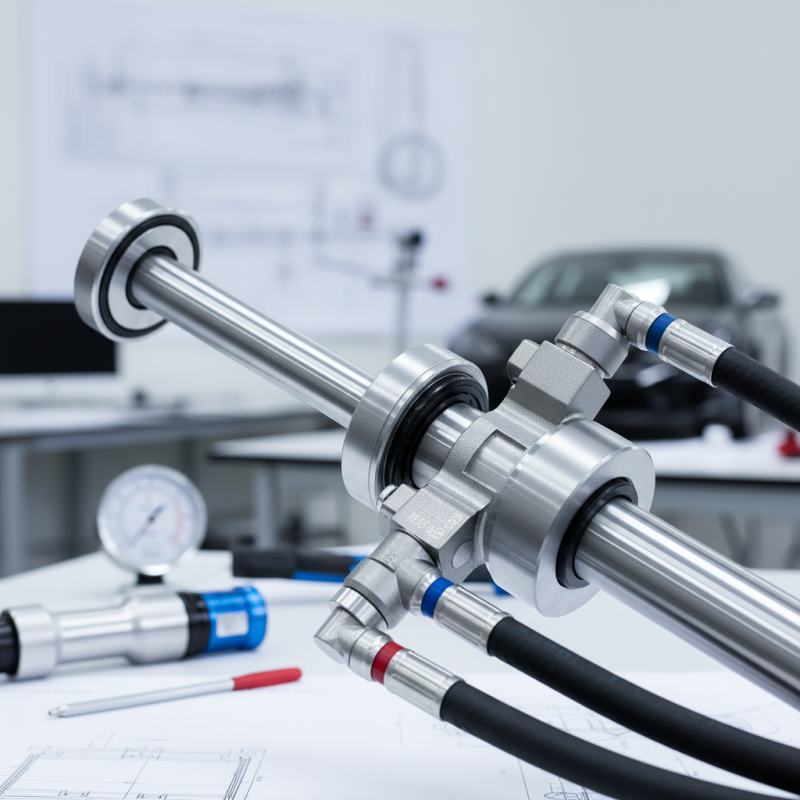
What is a Steering Cylinder: Definition and Basic Functionality
A steering cylinder is an essential component in hydraulic steering systems. It translates the driver’s input into precise movement of the vehicle's wheels. This cylinder uses hydraulic pressure to create motion, allowing for smooth and controlled steering. It connects to the steering linkage, facilitating the direct transfer of force.
In basic functionality, the steering cylinder operates by receiving hydraulic fluid from the pump. As the fluid enters the cylinder, it pushes the piston. This action generates the torque needed to turn the wheels. The design is simple yet effective, allowing for adjustments with minimal effort. However, leaks and wear can disrupt this process.
Many times, improper maintenance leads to steering issues. A worn-out seal can cause fluid to leak. This may result in decreased steering responsiveness. Drivers may experience a lack of control, making it crucial to check the system regularly. Recognizing these signs early can prevent more significant problems down the road.
Components of a Steering Cylinder: Key Parts and Their Roles
A steering cylinder is a vital component in hydraulic steering systems, commonly used in vehicles and heavy machinery. Understanding its structure reveals how it operates. The main parts include the cylinder body, piston, and seals. The cylinder body houses the piston and fluid. The piston is critical; it moves within the cylinder to assist in steering. Seals are essential in preventing fluid leaks, ensuring efficient operation.
Research by industry experts suggests that nearly 70% of steering problems stem from cylinder failure. This highlights the importance of reliable seals. Poor seal integrity can lead to fluid loss, resulting in steering issues. Regular maintenance can somewhat alleviate this problem but does not eliminate it entirely.
The piston itself plays a significant role in directional control. When fluid pressure pushes the piston, it moves and alters the angle of the steering gear. However, if the piston is damaged, the system may underperform. Data shows that 20% of hydraulic steering failures are linked to piston wear. Awareness of these components and their functions can lead to better performance and safety in steering systems.
How Hydraulic Pressure Powers the Steering Cylinder Mechanism
Hydraulic pressure is key to how a steering cylinder operates. The cylinder converts hydraulic pressure into linear motion. When the driver turns the steering wheel, hydraulic fluid is pushed into the cylinder. This fluid creates pressure, moving the piston inside the cylinder.
According to a recent report by the Hydraulic Institute, hydraulic systems can achieve efficiencies above 80%. However, mistakes in fluid selection or leakage can greatly reduce performance. Regular maintenance is essential for optimal function. Check for leaks and ensure fluid levels are appropriate.
Tip: Always use the recommended hydraulic fluid for your system. An incorrect type can lead to failures.
The steering cylinder mechanism is precise. Even minor inconsistencies can affect vehicle handling. Factors like temperature and fluid viscosity impact performance. The right hydraulic pressure ensures the steering system responds accurately. An imbalance could lead to safety risks.
Tip: Perform routine checks on your steering system, especially before road trips. This can prevent potential issues.
Common Applications of Steering Cylinders in Various Industries
Steering cylinders play a crucial role across various industries. They are commonly used in automotive, construction, and marine sectors. In automotive applications, steering cylinders aid in vehicle handling and maneuverability. Research from industry reports indicates that the automotive steering systems market is projected to grow at a CAGR of 6.3% from 2023 to 2028.
In construction machinery, steering cylinders are vital for controlling large equipment. Excavators, bulldozers, and cranes rely on these components for precise movement. Data shows that the global construction equipment market is expected to reach $250 billion by 2026. The efficiency provided by steering cylinders contributes significantly to this growth.
Tips: Regular maintenance is crucial. Check for any fluid leaks regularly. Signs of wear can be subtle yet detrimental. Keep an eye on responsiveness when steering. It reflects the cylinder's condition. Ensure that all connections are secure to prevent unexpected failures.
Marine industries also benefit from steering cylinders. They enhance the control of ships and boats. The marine industry is evolving, with a focus on automation. Steering cylinder functionality directly impacts safety and navigation efficiency. Innovative designs are emerging, though not all are foolproof. It's essential to evaluate new technologies carefully.
Steering Cylinder Applications Across Various Industries
Maintenance Tips for Ensuring Optimal Performance of Steering Cylinders
Steering cylinders are vital components in hydraulic steering systems. They ensure precision in vehicle control. Regular maintenance becomes essential for optimal performance. According to industry reports, nearly 30% of steering system failures can be traced back to neglected hydraulic components.
To maintain steering cylinders, periodic inspections are crucial. Look for signs of leaks, which can indicate wear. Fluid levels should be checked regularly. Experts suggest that fluid should be replaced every two years. This practice helps prevent contaminants from degrading performance and damaging seals.
Moreover, consider the environment where vehicles operate. Dust and debris can impact cylinder function. Ensure that components are cleaned and protected. Yet, many operators overlook this aspect. Small oversights can lead to larger issues down the line, such as uneven steering response. Addressing these details prevents costly repairs and enhances safety. Regular monitoring plays a key role in ensuring the longevity of steering cylinders.
What is a Steering Cylinder and How Does it Work? - Maintenance Tips for Ensuring Optimal Performance of Steering Cylinders
| Component | Function | Maintenance Tips | Common Issues |
| Cylinder Barrel | Houses the piston and hydraulic fluid | Inspect for corrosion and leaks | Rust or wear due to hydraulic fluid exposure |
| Piston | Transfers hydraulic pressure to create movement | Check for proper movement and lubrication | Sticking or scoring can reduce efficiency |
| Seals | Prevents hydraulic fluid leaks | Replace worn or damaged seals promptly | Leaking seals can lead to fluid loss |
| Hydraulic Fluid | Transmits power within the cylinder | Regularly check fluid levels and quality | Contaminated fluid can impair performance |
| Connecting Rod | Links the cylinder to steering mechanism | Ensure bolts are tightened and intact | Loose connections can lead to steering issues |