
A reliable air conditioner depends on several parts working together, not on one powerful component. This guide examines the top 10 Air Conditioner Parts that influence cooling, airflow, efficiency, and indoor comfort. The list focuses on common residential systems, including split and packaged units. It considers each part’s function, failure symptoms, maintenance needs, and practical importance.
The compressor drives the refrigeration cycle. The condenser coil releases heat outdoors. The evaporator coil absorbs heat indoors. Expansion devices control refrigerant flow. The blower motor pushes conditioned air through the ductwork. Filters protect coils and improve indoor air quality. Thermostats measure room temperature and send operating commands. Capacitors help motors start and run smoothly. Refrigerant lines connect the indoor and outdoor sections. Fans move air across the coils.
Small details matter. A blocked filter can restrict airflow within days. A weak capacitor may cause a humming outdoor unit. I have seen technicians find severe coil dust after homeowners reported poor cooling. Manufacturer service manuals and qualified HVAC professionals remain the safest sources for diagnosis. Electrical components can retain dangerous voltage after shutdown, so casual testing is not appropriate. Some systems use different designs, and this ranking cannot represent every model perfectly. That limitation deserves attention. Still, these ten parts provide a practical foundation for understanding system performance. The sections ahead explain what each component does, where it operates, and which warning signs should not be ignored.
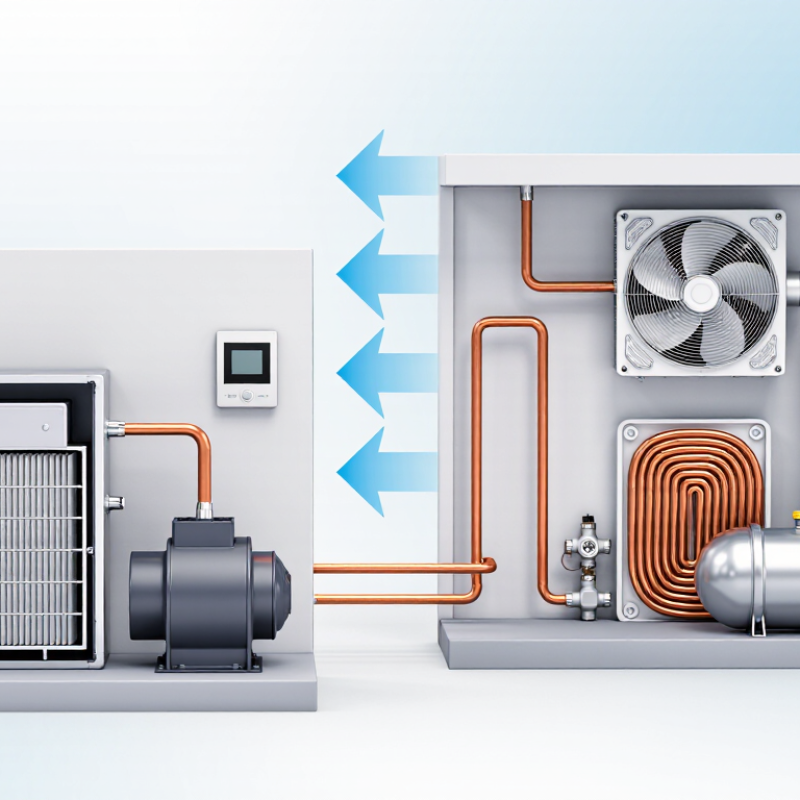
What Are the Top 10 Air Conditioner Parts? The core functions of ten essential parts explain how cooling actually works. The thermostat measures room temperature and signals operation. The air filter captures dust before it reaches the equipment. The evaporator coil absorbs indoor heat, while the blower fan pushes cooled air through ductwork. The compressor raises refrigerant pressure and starts the heat-transfer cycle. It is the system’s hardest worker.
Outside, the condenser coil releases absorbed heat. The condenser fan moves outdoor air across those metal fins. The expansion valve reduces refrigerant pressure and controls its flow into the evaporator. Refrigerant lines carry the fluid between indoor and outdoor sections. The drain pan collects condensation, and the drain line removes it safely. That makes ten functional parts when the pan and line are treated as one moisture-control assembly.
The International Energy Agency reports that space cooling could triple global electricity demand by 2050 without stronger efficiency measures. The U.S. Department of Energy also identifies heating and cooling as a major share of household energy use. Small faults can therefore matter. A clogged filter restricts airflow. Dirty coils raise operating strain. A weak capacitor may leave the blower humming without starting. I have seen a system cool unevenly because one drain line was only partly blocked. The ten-part model is practical, but imperfect; sensors, controls, wiring, and ductwork also shape performance. Technicians should verify airflow, refrigerant pressure, electrical readings, and temperature difference before replacing expensive components.

What Are the Top 10 Air Conditioner Parts?
How the Compressor and Refrigerant Circuit Create Cooling
An air conditioner depends on ten key parts: the compressor, condenser coil, evaporator coil, expansion device, refrigerant, blower motor, fan motor, filter, thermostat, and electrical controls. The compressor drives the cooling cycle. It pulls in low-pressure refrigerant vapor and compresses it into a hot, high-pressure gas. The condenser coil then releases heat outdoors. The gas cools and becomes a high-pressure liquid.
Cooling starts here. The liquid refrigerant passes through the expansion device, where pressure drops sharply. It becomes cold and ready to absorb heat. Inside the evaporator coil, refrigerant draws warmth from indoor air. The blower pushes that cooled air through the rooms. The refrigerant returns to the compressor, and the cycle repeats. The circuit appears simple, but diagnosis is rarely neat. A pressure reading alone can mislead. Poor airflow may imitate a refrigerant problem.
Tips: Keep the filter clean and maintain clear airflow around outdoor coils. Listen for unusual humming, rattling, or short cycling. Refrigerant should not disappear during normal operation. A leak may exist if levels keep falling. Never open the sealed circuit without proper training and equipment. Technicians should check temperatures, pressure, electrical readings, and airflow together. Some faults overlap, and even experienced professionals can misjudge the first clue. That possibility deserves attention.
What Are the Top 10 Air Conditioner Parts?
How Coils, Fans, and Filters Control Airflow and Heat
An air conditioner depends on ten key parts: the compressor, condenser coil, evaporator coil, expansion device, blower fan, condenser fan, air filter, thermostat, drain pan, and refrigerant lines. Each part manages pressure, temperature, airflow, or moisture. The evaporator coil absorbs indoor heat. The condenser coil releases that heat outside. Refrigerant lines connect both sections, carrying refrigerant through the cycle.
Airflow begins at the return grille and passes through the filter. A clogged filter restricts air and makes the blower work harder. Clean airflow helps the evaporator coil stay cold without freezing. The blower fan then pushes treated air through the ducts. Outside, the condenser fan moves air across the condenser coil. This airflow removes heat from the refrigerant. Small blockages can cause noticeable performance loss.
In field inspections, I often check airflow before blaming the compressor. A dirty coil may look acceptable from a distance. It can still hold dust between its fins. Thermostats also need accurate placement and calibration. A thermostat near sunlight may trigger unnecessary cooling. I have seen clean filters paired with weak airflow, usually because of duct leaks or a tired blower motor. That detail is easy to miss. Regular professional measurements, including temperature split and static pressure, provide more reliable evidence than sound alone.
How coils, fans, filters, and controls influence airflow and heat transfer
The normalized 0–10 scores represent each part’s primary engineering role in a typical residential split air-conditioning system. Filters, ducts, fans, and valves mainly control airflow, while coils, the compressor, and the expansion device control heat transfer and refrigerant flow. Actual system performance depends on equipment size, operating conditions, cleanliness, and installation quality.
What Are the Top 10 Air Conditioner Parts?
Air conditioners rely on electrical and control parts to start, regulate, and protect the system. The thermostat measures room temperature and sends operating commands. A control board processes those signals and coordinates the equipment. Contactors switch high-voltage power to the compressor and outdoor fan. Capacitors provide the starting boost motors need. Relays control smaller electrical loads. A transformer reduces voltage for safe control-circuit operation. Sensors monitor temperature, pressure, or coil conditions. Wiring carries power and communication signals between components. The disconnect provides a nearby shutoff point, while circuit breakers protect against excessive current.
Small failures can create confusing symptoms. A weak capacitor may cause a motor to hum without starting. Burned contactor points can produce intermittent cooling. A loose wire may leave the system completely silent. During service, technicians often inspect terminal tightness, voltage readings, corrosion, and unusual heat marks. These details matter more than guessing from one symptom. Power should be isolated before inspection, and live testing belongs to a qualified professional.
Control faults are not always obvious. A sensor can drift gradually, causing uneven room temperatures. A clean circuit board may still contain a failed relay. Even experienced technicians can misdiagnose a problem when several parts age together. Careful measurements, service records, and repeated checks improve reliability. Some repairs remain uncertain until the system operates through a full cooling cycle.
| No. | Component | System Area | Primary Function | Typical Electrical Details | Common Symptoms of Failure |
|---|---|---|---|---|---|
| 1 | Compressor | Refrigeration circuit | Compresses low-pressure refrigerant vapor and moves it through the refrigeration cycle. It is the main electrical load in many air-conditioning systems. | Usually a single-phase or three-phase motor. Starting current is normally higher than running current; exact voltage and current depend on the unit design. | No cooling, tripped breaker, abnormal humming, overheating, or repeated startup attempts. |
| 2 | Condenser Fan Motor | Outdoor unit | Moves outdoor air across the condenser coil to release heat from the refrigerant. | Commonly an AC motor with a rated voltage, speed, and horsepower specified on its nameplate. Some systems use electronically controlled motors. | Outdoor unit overheating, high-pressure shutdown, weak airflow, unusual noise, or a fan that does not rotate. |
| 3 | Blower Motor | Indoor air-handling section | Drives the indoor blower wheel or fan to circulate conditioned air through the evaporator coil and ductwork. | May use multiple speed taps, a capacitor, or an electronically controlled motor module. The operating current varies by motor type and airflow setting. | Low or no indoor airflow, poor cooling distribution, motor noise, overheating, or intermittent operation. |
| 4 | Run Capacitor | Motor and compressor circuits | Creates the phase shift needed for many single-phase motors and helps maintain efficient motor operation while running. | Rated in microfarads and voltage. Dual capacitors may serve both the compressor and condenser fan motor in one enclosure. | Hard starting, humming motors, reduced performance, overheating, bulging casing, or a motor that stops unexpectedly. |
| 5 | Contactor | High-voltage switching circuit | Uses a low-voltage control signal to switch power to high-voltage loads such as the compressor and outdoor fan motor. | Contains a control coil and power contacts. Coil voltage is commonly a low control voltage, while contact ratings must match the connected load. | Outdoor unit will not start, contacts remain stuck, chattering sounds, visible pitting, or intermittent cooling. |
| 6 | Thermostat or Controller | Measures room temperature and sends operating commands for cooling, heating, fan operation, and temperature control. | Typically communicates with the indoor unit through low-voltage control wiring. Advanced controllers may use digital communication protocols. | Incorrect room temperature, failure to call for cooling, short cycling, blank display, or unresponsive controls. | |
| 7 | Control Board | Processes sensor and control signals, manages relays or electronic switches, and coordinates indoor and outdoor unit operation. | Includes low-voltage terminals, relays, fuses, connectors, and microelectronic control circuits. Board design varies by system architecture. | Random shutdowns, error codes, incorrect sequencing, unresponsive components, or failure after electrical surges. | |
| 8 | Temperature Sensor | Detects air or coil temperature and provides feedback used to regulate cooling capacity and protect the system. | Many systems use thermistors whose resistance changes with temperature. Sensors must match the control board's specified resistance curve. | Erratic temperature readings, short cycling, frost on the coil, delayed operation, or sensor-related fault codes. | |
| 9 | Pressure Switch or Pressure Sensor | Monitors refrigerant pressure and helps protect the compressor from excessively high or low operating conditions. | Mechanical switches open or close at set pressure limits; electronic sensors send a variable signal to the control system. | Unexpected shutdowns, compressor lockout, repeated fault indications, or operation only under certain outdoor conditions. | |
| 10 | Disconnect, Fuse, or Circuit Breaker | Provides a means to isolate the equipment and protects wiring and components from excessive current or short circuits. | Protection devices must be correctly sized for the equipment's marked electrical ratings and installed according to applicable electrical codes. | Complete loss of power, repeated tripping, blown fuses, burnt terminals, or unsafe voltage conditions. |
The ten parts most often needing attention are the filter, thermostat, evaporator coil, condenser coil, compressor, fan motor, capacitor, contactor, expansion valve, and condensate drain line. Start with simple clues. A weak airflow suggests a blocked filter, dirty coil, or failing fan motor. Uneven temperatures may indicate thermostat errors or restricted airflow. The U.S. Department of Energy reports that replacing a dirty filter can reduce air-conditioning energy use by 5% to 15%. Check the filter every month during heavy use. Replace it when dust mats the surface.
Maintenance should be physical, not just visual. Keep the outdoor coil clear of leaves, then inspect bent fins and oily residue. A frozen indoor coil often points to low airflow or refrigerant trouble. Do not simply thaw it and continue running. That mistake can damage the compressor. The Energy Information Administration reports that air-conditioning accounts for a significant share of residential electricity consumption in warm climates, making neglected parts expensive over time. A digital thermostat can be checked against a nearby thermometer, but calibration errors are easy to miss.
Replacement requires judgment. Capacitors, contactors, compressors, and expansion valves involve electrical or refrigerant hazards. Turn off power at the disconnect, and use a qualified technician for testing. I have seen owners replace a capacitor when the real problem was a failing fan motor. That shortcut rarely lasts. Record unusual sounds, start-up delays, frost, and water around the drain line before service. Good notes make diagnosis faster.
Content © 2025 Komatsu. All Rights Reserved