Choosing among China’s top 10 Metal Distribution Box manufacturers requires more than comparing prices or glossy product photos. Buyers should examine enclosure materials, ingress protection, rated current, wiring space, and production quality. A powder-coated steel cabinet may suit a factory floor, while a corrosion-resistant enclosure may be better near damp equipment. Small details matter.
John Cadick, an electrical-safety author, has written extensively about safe electrical work. A concise editorial paraphrase of his safety guidance—not a verbatim quotation—is: “Reliable electrical protection depends on sound design, careful installation, and consistent maintenance.” This principle helps frame a practical supplier review. Ask for test reports, drawings, material specifications, and clear answers about customization. Then check whether the stated features match the intended installation and applicable technical requirements. A neat sample is useful, but it cannot prove consistent production.
This guide compares manufacturers by product range, engineering support, quality controls, and communication. It also considers how suppliers handle details such as cable-entry positions, door seals, mounting plates, and labeling. Those details can save time during installation. They can also expose weak planning. No ranking can replace a site-specific review, and supplier claims deserve verification. That part is easy to overlook. Use the list as a starting point, not a final purchasing decision.
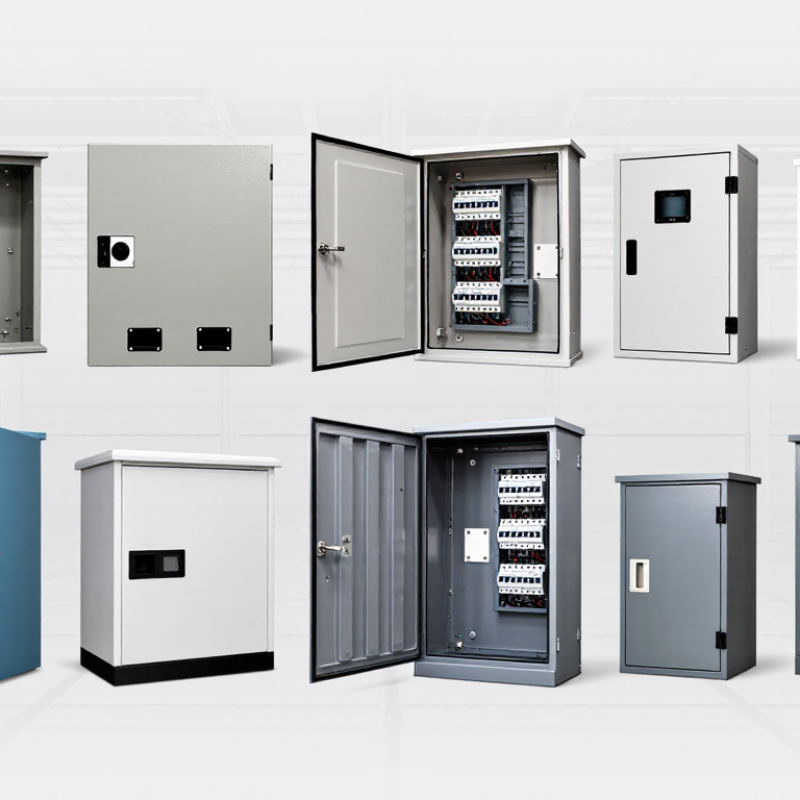
A metal distribution box is an enclosure that holds electrical distribution components, such as circuit breakers, busbars, and terminal blocks. It organizes incoming power and routes it to separate circuits. A steel or aluminum cabinet also helps shield internal parts from impact and accidental contact. That matters.
The box is used in homes, offices, factories, and utility rooms wherever power needs to be divided and controlled. In a workshop, for example, it may feed lighting, outlets, and machinery from one central panel. Outdoor installations need a suitable enclosure and carefully sealed cable entries. Metal alone does not make a box weatherproof.
Material and construction should match the environment. Painted steel is common indoors, while stainless steel may suit damp or corrosive areas. A properly bonded enclosure helps provide a path for fault current, but installation details matter. Poorly fitted glands or crowded wiring can undermine an otherwise solid cabinet. Even experienced installers should check clearances, heat buildup, and access for maintenance; these details are easy to underestimate.

China’s metal distribution box industry is built around several connected roles. Sheet-metal processors cut, punch, bend, and weld steel or stainless-steel panels. Enclosure manufacturers then add doors, hinges, mounting plates, and surface finishes. Some factories handle the full process; others rely on specialist suppliers for parts or coating. The structure often depends on order volume, enclosure complexity, and delivery needs.
Assembly teams fit circuit components and wiring accessories, while quality staff check dimensions, door alignment, coating coverage, and electrical clearances. Exporters and distributors may coordinate drawings, packaging, and shipment, but technical responsibility can vary. A tidy drawing does not always match a tidy installation. Confirm who checks the final assembly, especially when dimensions or cutouts are customized.
Tips: Share a clear layout, cable-entry locations, and required protection rating before requesting a quote. Ask for material and coating details, inspection records, and a sample enclosure when practical. Small details matter. A missing gland plate or awkward hinge can slow installation.
A standards-based view of enclosure product segmentation. The chart compares the solid-object and water-protection levels encoded in selected IEC 60529 IP ratings; it does not represent company market shares.
Manufacturers typically differentiate through enclosure fabrication, surface treatment, electrical assembly, and testing. In an IP code, the first digit indicates protection against access to hazardous parts and solid objects; the second indicates protection against water. For example, IP65 is dust-tight and protected against water jets.
A leading Chinese metal distribution box manufacturer does more than bend and weld sheet steel. Its engineering team should review the installation environment, cable entry points, enclosure dimensions, and expected heat load before confirming a design. Ask for drawings and material specifications, not just a quotation. Small details matter.
Production quality is visible in consistent welds, smooth door edges, uniform coating, and accurately aligned hinges. A dependable supplier can explain how it checks dimensions, coating thickness, grounding points, and door fit across production batches. Request sample inspection records and confirm how materials are traced. A neat sample is useful, but it cannot prove every unit will match.
Testing should reflect the box’s intended use, including moisture, dust, corrosion, or temperature exposure where relevant. The manufacturer should describe test methods clearly and provide evidence that matches the proposed product. Communication also counts: practical answers about tooling, lead times, packaging, and replacement parts often reveal more than polished sales language. No factory is flawless. Delays and revisions can happen, so assess how openly a supplier reports problems and corrects them. A site visit or independent inspection may help verify claims before a large order.
The International Energy Agency’s Electricity 2025 report says global electricity demand grew 4.3% in 2024. More power infrastructure means closer scrutiny of distribution-box suppliers. A useful profile checks sheet thickness, weld consistency, door alignment, coating quality, and documented ingress protection. Profile One: a high-volume steel-cabinet maker suits standard indoor projects. Profile Two: a custom fabricator handles unusual dimensions. Profile Three: a stainless-steel specialist serves corrosive sites. Fit matters more.
Profile Four: a modular-enclosure producer supports quick assembly. Profile Five: a heavy-gauge shop builds for vibration-prone installations. Profile Six: a weatherproof-box maker focuses on outdoor seals and drainage. Profile Seven: a powder-coating-led factory prioritizes surface durability. Profile Eight: a precision sheet-metal producer offers tighter cutout tolerances. Profile Nine: a small-batch supplier accommodates frequent design changes. Profile Ten: an export-oriented manufacturer typically emphasizes inspection records and shipment coordination.
These profiles describe capabilities, not verified rankings or named firms. That distinction matters. Ask for material certificates, dimensional inspection reports, coating specifications, and sample units before approval. Check hinge movement and gasket compression yourself; photographs can hide poor fit. IEA’s demand figure indicates a growing market, but it does not prove any supplier’s quality. Real quotations can also expose gaps that a polished catalog misses.
This is an anonymized overview of ten common metal distribution-box product profiles, not a verified ranking of individual manufacturers. Company names and company-specific performance claims are omitted. Actual materials, dimensions, protection ratings, and certifications vary by product and should be confirmed against the manufacturer’s technical documentation.
| Profile | Common enclosure type | Typical construction options | Common application | Key specification to verify |
|---|---|---|---|---|
| Profile 1 | Wall-mounted distribution enclosure | Painted carbon steel; single- or double-door designs may be available | Indoor branch-circuit distribution in commercial and light-industrial spaces | Mounting dimensions, internal usable space, door clearance, and required ingress protection |
| Profile 2 | Floor-standing modular cabinet | Sheet-steel cabinet with configurable panels and internal mounting arrangements | Electrical distribution and control assemblies in industrial facilities | Overall dimensions, rated current of the completed assembly, access arrangement, and assembly standard |
| Profile 3 | Outdoor weather-resistant box | Coated steel or stainless steel, with sealing components selected for the installation environment | Outdoor electrical equipment and site services | Declared IP rating under IEC 60529, corrosion protection, temperature range, and cable-entry method |
| Profile 4 | Stainless-steel enclosure | Stainless-steel sheet; grade and finish depend on the environment and cleaning requirements | Food-processing, wash-down, and other environments where corrosion resistance is important | Steel grade, surface finish, gasket compatibility, and suitability for the cleaning chemicals used |
| Profile 5 | Terminal and junction box | Compact metal enclosure with provision for terminals, glands, or conduit entries | Connecting and protecting wiring at local equipment or field locations | Terminal capacity, conductor range, entry sizes, earthing provision, and enclosure rating |
| Profile 6 | Metering cabinet | Metal enclosure with layouts configured for metering equipment and associated wiring | Metering installations in residential, commercial, or utility-related settings | Meter layout, utility requirements, access controls, wiring space, and applicable local rules |
| Profile 7 | Control-panel enclosure | Steel enclosure with mounting plate and cut-outs or provisions for operator devices | Housing control components, instruments, and operator interfaces | Heat dissipation, component clearances, cable routing, door cut-outs, and protection rating |
| Profile 8 | Corrosion-protected steel enclosure | Carbon steel with a protective coating system selected for the installation conditions | Industrial sites where moisture or corrosive exposure requires additional protection | Coating type and thickness, surface preparation, exposure suitability, and maintenance needs |
| Profile 9 | Compartmentalized distribution cabinet | Metal cabinet with separated functional sections where the design requires them | Distribution assemblies requiring organized segregation of equipment or circuits | Assembly design, separation form, temperature rise, short-circuit ratings, and applicable IEC 61439 requirements |
| Profile 10 | Custom-fabricated metal enclosure | Made-to-order sheet-metal construction with specified dimensions, finish, and openings | Projects with non-standard equipment, installation constraints, or integration needs | Approved drawings, tolerances, material certificates if required, finish, and inspection criteria |
When reviewing China’s top metal distribution box manufacturers, compare evidence, not catalogue language. Check enclosure dimensions, sheet thickness, coating finish, door fit, and wiring space. Ask whether the quoted model matches your installation drawings. A low price means little if cable entries or mounting points need later changes. Request sample photos, inspection records, and a clear production schedule.
Tips: Verify each certificate’s issuing body, validity, factory site, and product scope. Confirm that it covers the exact enclosure or series you plan to order. Check relevant protection ratings against your environment, such as dust exposure, humidity, and outdoor rain. Requirements can differ by destination and application, so confirm them with your project team.
A capable supplier should explain material options, customization limits, and quality checks in plain language. Ask how they inspect welds, coating thickness, hinges, and dimensional tolerances. Compare response times and revision handling, not just quoted lead times. A polished sample is useful, but it cannot prove every production batch will match. I would still ask for agreed acceptance criteria in writing; buyers sometimes skip this detail.
Content © 2025 Komatsu. All Rights Reserved