
three part picture of forklifts

Top 10 Moulded Case Circuit Breaker Suppliers Worldwide?

A Moulded Case Circuit Breaker is more than a switch in a grey cabinet. It must interrupt fault current, protect equipment, and fit the electrical system around it. Demand is supported by expanding power networks, industrial investment, and building upgrades. Fortune Business Insights estimated the broader global circuit breaker market at USD 6.37 billion in 2023, with a forecast of USD 9.24 billion by 2032. This figure covers more than MCCBs, so it should not be mistaken for an MCCB-only market estimate. Definitions matter.

Electrical engineering educator Tony R. Kuphaldt offers a useful foundational description: “A circuit breaker is an automatically-operated electrical switch designed to protect an electrical circuit from damage caused by overload or short circuit.” His wording captures the core function, though MCCB selection also depends on rated current, breaking capacity, trip settings, and installation conditions. A label alone is not enough.

This worldwide supplier overview looks beyond brand recognition. It considers product range, technical documentation, certifications, regional availability, and after-sales support. These details matter when a project needs a specific frame size or dependable replacement parts. Supplier rankings are not universal; availability and service can vary sharply by country. That is an imperfect measure. The list should therefore be read as a practical starting point, not a final purchasing decision. Check current datasheets and local support before choosing.
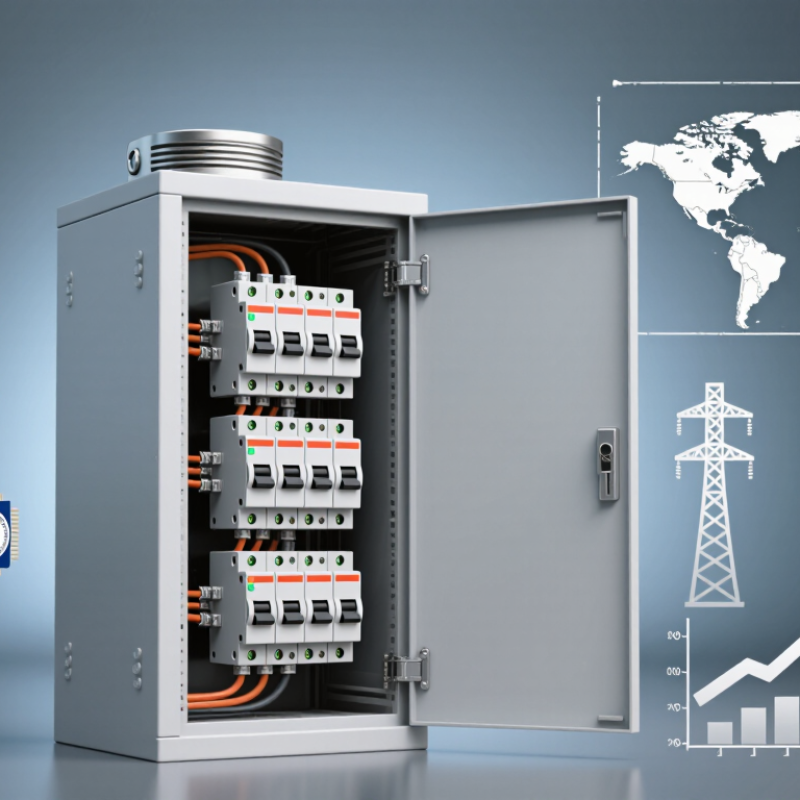
Top 10 Moulded Case Circuit Breaker Suppliers Worldwide?

What Is a Moulded Case Circuit Breaker?

A moulded case circuit breaker, or MCCB, is a protective switching device used in low-voltage electrical systems. Its insulating case encloses contacts and a trip mechanism. When current exceeds a safe level, the breaker opens the circuit to limit damage to cables and connected equipment. The case matters. It helps contain the operating components, but it does not make the device suitable for every environment or fault level.

Many MCCBs use thermal and magnetic trip elements. The thermal element responds to sustained overloads, while the magnetic element can react rapidly to high short-circuit currents. Some models use electronic trip units for more adjustable protection. During a fault, internal contacts separate and an arc-control system helps interrupt the current. Ratings such as rated current and breaking capacity must match the installation. A higher current rating is not automatically better.

After tripping, an MCCB may be reset once the cause has been investigated and corrected. Simply switching it back on can hide a serious problem.

Not a magic shield.

In real panels, space can be tight and old drawings may be inaccurate, so selection deserves careful checking. Installers should consider the load, conductor size, available fault current, and coordination with upstream protection. A breaker can protect a circuit, but it cannot replace sound wiring, inspection, or maintenance.

How the Global MCCB Supplier Market Is Structured

The global MCCB supplier market is not a simple ranking of manufacturers. It is a layered network of large-scale producers, regional specialists, contract manufacturers, and local distributors. Each plays a different role. Major producers often serve multiple regions and offer broad product ranges, while smaller suppliers may focus on particular current ratings, enclosure needs, or delivery times.

A supplier’s position depends on more than production volume. Buyers also compare interrupting capacity, trip settings, frame sizes, test documentation, and support after delivery. A molded case circuit breaker may look suitable on a datasheet, yet installation conditions can change what is appropriate. Ask how the supplier verifies performance and handles product traceability. Details matter. Distributors and system integrators can help match specifications to a project, but their technical knowledge varies.

This structure makes “top suppliers” difficult to define consistently. One company may excel in global availability; another may serve a regional market with faster, more tailored support. Comparing them requires clear criteria, such as certification scope, product consistency, lead times, and access to engineering help. Even then, the categories blur. A supplier’s catalogue can be impressive, but a slow response to a basic technical question deserves reflection.

Criteria for Comparing Leading MCCB Suppliers

Comparing leading MCCB suppliers starts with application fit, not catalogue size. Check rated current, operating voltage, pole count, and short-circuit breaking capacity against the panel design and expected fault level. Details matter. A 250 A frame, for example, may need derating inside a warm, crowded enclosure. Ask suppliers for temperature curves, terminal limits, and test reports for the exact model and configuration. Confirm compliance with relevant IEC standards and local certification requirements; a brochure claim alone is not enough.

Reliability also depends on consistent production controls. Review quality records, component traceability, routine test procedures, and how design changes are communicated. Ask how trip settings are verified and whether coordination data is available for upstream and downstream protection. Ask for evidence. Delivery performance, spare-part access, warranty terms, and technical response time matter after installation. Where practical, compare sample units for trip behavior and terminal fit instead of relying only on sales claims. Still, one inspection cannot prove years of field performance. Record what has been verified, what remains uncertain, and whether technical support can reach the project site.

Profiles of Ten Major MCCB Suppliers Worldwide

This guide profiles ten major moulded case circuit breaker suppliers serving markets worldwide. Each profile looks beyond product range to examine engineering capability, manufacturing consistency, and support for buyers. Names alone tell little. MCCBs must suit the fault levels, operating conditions, and maintenance practices of the systems they protect.

The profiles compare practical details: rated current, interrupting capacity, trip settings, frame sizes, and available accessories. They also consider test documentation, technical assistance, delivery reach, and replacement-part access. These details matter on a crowded switchboard, where a breaker’s dimensions and connection points can affect installation time. Check the product data carefully.

Supplier capabilities can differ by region and product line. A broad catalogue does not guarantee that every model fits a particular panel or duty cycle. Temperature derating, coordination requirements, and short-circuit ratings deserve close review. Paper specifications are useful, but real selection can be less tidy. Buyers should verify current documents and local support directly, especially when comparing suppliers with different testing methods or service networks.

Representative MCCB Rated-Current Classes

These commonly encountered current ratings illustrate the range of applications MCCBs can serve. Product availability, breaking capacity, and rating options vary by model and market; this chart is not a supplier ranking or a comparison of specific companies.

Applications and Factors in Choosing an MCCB Supplier

Moulded case circuit breakers protect distribution panels, motor feeders, and equipment in commercial buildings and industrial plants. A workshop compressor, for example, may draw a high starting current that requires careful protection selection. HVAC systems and pumping stations bring different load patterns. Fit matters. The breaker’s current rating, interrupting capacity, and trip characteristics should match the circuit and expected fault conditions. Incorrect coordination can leave downstream equipment exposed or cause unnecessary shutdowns.

When comparing MCCB suppliers, ask for clear datasheets, test documentation, and guidance on installation and maintenance. Check that stated ratings suit the system voltage, ambient temperature, and enclosure conditions at your site. Details count. Also consider product availability, replacement support, delivery consistency, and whether technical staff can answer application-specific questions. A low purchase price may look attractive, but delays or unclear specifications can increase project costs. A polished catalog can still hide gaps, so verify key performance claims against relevant test records. If possible, review a sample and confirm terminal access, adjustment settings, and the space needed inside the panel before placing a larger order.