
three part picture of forklifts

What Are the Top Scaffold Jack Base Suppliers?

Choosing the right Scaffold Jack Base supplier requires more than comparing online prices. It requires evidence, testing, and practical installation experience. OSHA reports that approximately 2.3 million construction workers use scaffolds each year. It also links scaffold accidents to falls, falling objects, and structural instability. These figures make base-jack quality a safety decision, not merely a purchasing decision.

Market research from Grand View Research identifies construction activity, infrastructure investment, and rental demand as major scaffolding-market drivers. However, broad market reports rarely evaluate jack-base threads, bearing plates, or supplier traceability in detail. That gap matters. Buyers should examine load ratings, steel grade, weld quality, adjustment range, corrosion protection, and compatibility with the intended scaffold system. Independent test documents are useful. Factory claims alone are not enough.

John W. Hinze, a respected construction-safety researcher, emphasized, “Safety must be managed as carefully as productivity and quality.” His principle applies directly to Scaffold Jack Base selection. A reliable supplier should provide consistent dimensions, batch records, inspection evidence, and responsive technical support. Suppliers with ISO 9001 systems may offer stronger process control, but certification does not replace product verification. The cheapest base may become the most expensive choice after delays, replacements, or unsafe movement. That assumption deserves testing.

This guide compares leading suppliers through practical criteria, including product quality, compliance support, delivery capability, and customer experience. Rankings remain imperfect because regional standards and project conditions differ. Still, careful comparison can reveal which companies deserve serious consideration.
What Are the Top Scaffold Jack Base Suppliers?

Understanding Scaffold Jack Bases and Their Uses

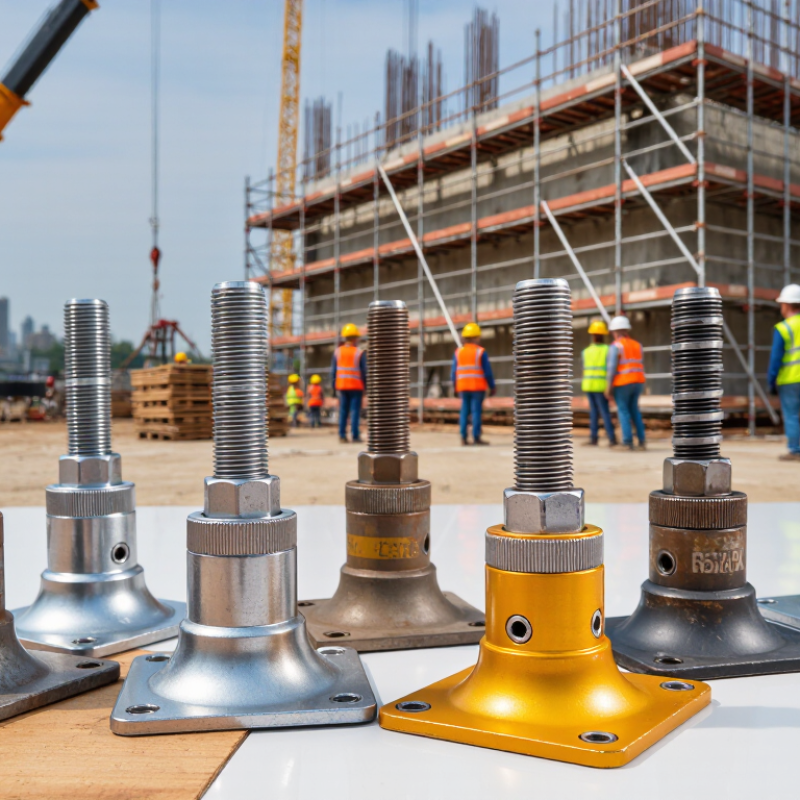
Scaffold jack bases are adjustable supports placed beneath scaffold standards. They help workers level platforms on uneven concrete, compacted soil, or sloped ground. A threaded stem allows fine height changes. The base plate spreads pressure and reduces movement.

Their purpose is practical, not decorative. A properly adjusted jack base keeps the scaffold frame plumb and transfers loads more evenly. OSHA estimates that scaffold accidents cause about 4,500 injuries and 50 deaths annually in the United States. That figure shows why small components deserve serious inspection. A bent stem, damaged thread, or undersized plate can affect the whole structure.

Reliable suppliers should provide clear load ratings, dimensional drawings, material specifications, and inspection guidance. Buyers should check thread compatibility with existing standards before ordering. Hot-dip galvanizing can improve corrosion resistance, especially on damp sites. Some suppliers offer swivel or U-head options for uneven surfaces, but these features require correct installation. More adjustment is not always safer. A jack extended too far may reduce stability. I have seen crews focus on platform height while overlooking base settlement. That mistake is easy to repeat.

Professional safety reports also emphasize competent assembly and regular inspection. Therefore, supplier evaluation should include traceable test documents, batch identification, replacement parts, and responsive technical support. The lowest quotation may exclude essential plates, locking devices, or corrosion protection. Ask what the package actually contains. Then compare usable load capacity, not just steel thickness.

Key Criteria for Evaluating Jack Base Suppliers

What Are the Top Scaffold Jack Base Suppliers?

Key Criteria for Evaluating Jack Base Suppliers

Choosing a scaffold jack base supplier requires more than comparing prices. OSHA estimates that about 2.3 million construction workers, or 65% of the construction workforce, work on scaffolds. That figure makes supplier reliability a practical safety issue, not just a purchasing concern. Check whether each jack base has traceable material certificates, load-test records, and clear adjustment limits. The supplier should explain steel grade, thread design, plate dimensions, and corrosion protection in plain language.

Standards matter. EN 12811-1 addresses the performance and general design of temporary works equipment, while EN 74-3 covers certain scaffold components and couplers. Ask for independent test evidence that matches the product configuration you will actually use. A polished certificate may not cover every size. This is easy to miss. Also review manufacturing inspections, batch identification, replacement-part availability, and delivery consistency. A technically strong product is less useful when one missing base delays an entire working platform.

Tips: Request one sample before placing a large order. Measure thread smoothness, plate flatness, weld quality, and locking-pin fit. Confirm packaging prevents bent threads during transport. Compare the supplier’s stated capacity with your engineer’s load calculation, not marketing language. Price still influences decisions, but choosing the cheapest option can age badly. One more check helps: ask how rejected components are recorded and controlled. Weak documentation may reveal weak production discipline.

Leading Types of Scaffold Jack Base Suppliers

When evaluating top scaffold jack base suppliers, buyers should identify the supplier type before comparing prices. Direct manufacturers usually provide adjustable screw jacks, base plates, and compatible accessories. Their technical teams can explain thread sizes, load ratings, and coating options. This route suits contractors with repeat orders or unusual dimensions. Documentation matters more than polished sales language.

Authorized industrial distributors offer broader access to multiple manufacturers and local inventory. They can arrange faster delivery, replacement parts, and basic product guidance. Ask for test records, material specifications, dimensional drawings, and traceable batch information. A reliable distributor should clarify whether products are new, refurbished, or imported through an uncertain channel. Site experience helps here. Inspectors often notice bent plates, uneven threads, or missing locking components only after delivery. That delay can disrupt an entire erection schedule.

Rental and scaffold-service suppliers are another leading type, especially for short projects or changing quantities. They may supply inspected jack bases with frames, ledgers, and guardrail components. This can reduce storage pressure, but condition reports must be reviewed before acceptance. Online industrial marketplaces provide comparison convenience, yet supplier verification is less consistent. Check independent reviews, response times, warranty terms, and return procedures. I would not choose on price alone. Even experienced teams can overlook thread damage during a rushed receiving inspection. A written checklist, clear load requirements, and sample inspection can expose weak purchasing decisions. Some specifications may still need an engineer’s review.

Comparing Supplier Quality, Compliance, and Pricing

What Are the Top Scaffold Jack Base Suppliers?

Comparing Supplier Quality, Compliance, and Pricing

A reliable scaffold jack base supplier should provide more than a low quotation. Inspect the threaded stem for smooth adjustment and consistent thread depth. Check the base plate for flatness, weld continuity, and visible distortion. Galvanized surfaces should look even, without peeling, heavy rust, or exposed steel. Ask for batch identification and material certificates. These details support traceability when a site problem appears later.

Compliance deserves equal attention. Suppliers should provide current load-test reports, dimensional drawings, and inspection records linked to specific batches. Confirm that their products match the standards required in your operating region. Factory audits can reveal weak process controls, even when paperwork looks complete. Pricing must include packaging, delivery, replacement rates, and inspection costs. A cheaper unit may become expensive after bent plates or damaged threads slow installation. No supplier is perfect. A missed detail can still happen during a busy inspection.

Tips: Request three samples before ordering in volume. Measure thread diameter, plate thickness, and adjustment range yourself. Compare test documents with the actual sample. Ask how rejected products are isolated and recorded. Keep communication in writing. Also, review lead times carefully; a low price has little value when a project waits several weeks. Experienced purchasing teams usually score quality, compliance, service, and total cost separately. That approach feels slower, but it reduces decisions based on attractive pricing alone.

How to Select the Right Scaffold Jack Base Supplier

What Are the Top Scaffold Jack Base Suppliers?

How to Select the Right Scaffold Jack Base Supplier

A dependable scaffold jack base supplier should provide more than a low quotation. Check the base plate size, adjustment range, thread quality, and stated load capacity. These details affect stability on uneven work surfaces. Ask for material specifications, inspection records, and batch traceability. Reliable suppliers can explain how each jack base was tested.

Look closely at manufacturing consistency. Threads should turn smoothly without excessive play. Welds should appear even, with no visible cracks, sharp edges, or heavy spatter. Galvanized surfaces need uniform coverage, especially around threads and weld zones. Request a physical sample before ordering large quantities. A photograph can hide small defects.

Supplier communication also matters. Ask about production lead times, packaging, replacement parts, and technical support. The supplier should understand your scaffold system rather than recommend one standard product for every project. Confirm that dimensions match your frames, standards, and applicable local requirements. An independent inspection may be worthwhile for major orders.

Cost deserves careful review. Extremely cheap products can create hidden delays and replacement expenses. Still, a higher price does not automatically prove better quality. Compare test documentation, inspection methods, delivery records, and warranty terms. One practical mistake is checking only the maximum load rating. Base condition, ground bearing, and adjustment height also influence real performance. Good selection requires questioning the supplier’s assumptions, including your own.

What Are the Top Scaffold Jack Base Suppliers? - How to Select the Right Scaffold Jack Base Supplier

Evaluation Dimension Recommended Benchmark What the Supplier Should Provide Importance Suggested Score
Applicable scaffold standard The product should be designed for the regulations and standards used at the project location, such as EN 12811-1, AS/NZS 1576.2, or applicable OSHA requirements. A current declaration of conformity, test report, technical data sheet, and clearly stated design standard. Critical 0–5
Base plate dimensions Common commercial base plates are approximately 120–150 mm square, or about 4.7–5.9 inches square; the required size depends on the scaffold design and ground conditions. Exact plate length, width, thickness, hole pattern, and dimensional drawings. High 0–5
Adjustment range Typical adjustable jack bases provide approximately 300–600 mm of threaded adjustment, while the permitted extension must follow the scaffold design and manufacturer instructions. Minimum and maximum adjustment, safe extension limit, locking method, and installation instructions. High 0–5
Material and corrosion protection Carbon steel is widely used. Hot-dip galvanizing or another documented protective coating is preferable for outdoor, humid, or coastal applications. Steel grade, coating method, coating thickness or mass, corrosion-resistance test information, and coating inspection records. High 0–5
Load capacity documentation Capacity must be supported by engineering calculations or testing for the complete jack-base assembly, including the plate, stem, nut, and connection. Rated working load, test load, test method, load-versus-extension data, and clear limitations against eccentric or lateral loading. Critical 0–5
Thread and nut compatibility The thread diameter, pitch, nut type, and connection geometry must match the scaffold system. Mixing incompatible components can reduce stability and adjustability. Thread dimensions, tolerance information, compatible standards, replacement-nut availability, and sample-fit confirmation. Critical 0–5
Manufacturing quality control Consistent weld quality, straight threaded stems, clean threads, accurate plate dimensions, and repeatable coating quality are essential for safe installation. Inspection plan, weld inspection records, dimensional inspection reports, batch traceability, and nonconformance procedure. High 0–5
Product identification and traceability Each production batch should be identifiable so that test records, material certificates, and corrective actions can be traced to the supplied goods. Batch number, production date, product code, inspection label, packing list, and retained quality records. Medium 0–5
Sample and pre-shipment inspection A pre-production sample and a documented pre-shipment inspection reduce the risk of dimensional, coating, or packaging defects. Sample approval process, inspection checklist, photographs, third-party inspection option, and corrective-action records. High 0–5
Supply capacity and lead time The supplier should demonstrate stable production capacity, realistic lead times, and the ability to maintain identical specifications across repeat orders. Monthly capacity, standard and custom lead times, production schedule, packaging capacity, and contingency plan. Medium 0–5
Total delivered cost Compare product price together with tooling, inspection, packaging, freight, duties, replacement parts, and warranty costs rather than comparing unit price alone. Itemized quotation, Incoterms, minimum order quantity, payment terms, packaging details, and warranty conditions. Medium 0–5
Maximum Evaluation Score 50
Selection note: The benchmarks shown are common procurement reference points, not universal design limits. Final acceptance should be based on the scaffold engineer’s design, the applicable local regulations, verified supplier documentation, and inspection of production samples.