
three part picture of forklifts

Why Choose Waterproof Switchgear for Global Projects?

Why Choose Waterproof Switchgear for Global Projects?

Global electrical projects face weather, dust, humidity, flooding, and demanding maintenance conditions. Waterproof Switchgear helps protect critical distribution systems where ordinary enclosures may fail. In coastal substations, rain can enter through cable glands. In tropical facilities, condensation may form before sunrise. In desert sites, fine dust can settle inside poorly sealed cabinets.

Reliability begins with the enclosure, but it does not end there. Engineers should review ingress protection ratings, material quality, drainage design, cable-entry methods, and corrosion resistance. Testing should reflect the real installation environment, not only a laboratory checklist. Experienced project teams also verify temperature limits, door seals, grounding continuity, and component compatibility before shipment.

Small details matter.

A properly selected Waterproof Switchgear unit can reduce unplanned shutdowns and protect sensitive switching equipment. It may also simplify maintenance in remote locations, where replacement parts and specialist technicians are difficult to arrange. However, waterproof protection is not a universal solution. Incorrect installation, damaged seals, poor ventilation, or neglected inspections can still create serious risks.

That point deserves attention.

Manufacturers and contractors should work from recognized technical standards and documented site conditions. Independent inspection, factory testing, and clear installation records strengthen confidence across international projects. From ports and wastewater plants to renewable energy sites, the best choice balances protection, serviceability, cost, and long-term performance. Some assumptions may prove wrong after commissioning, so feedback from operators should shape future specifications.
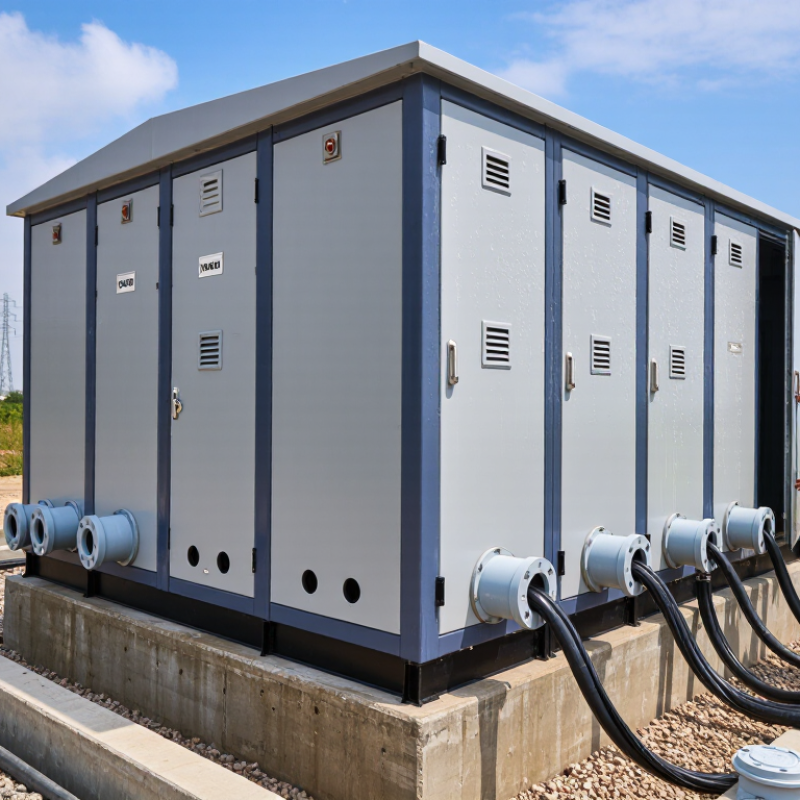
Why Choose Waterproof Switchgear for Global Projects?

What Is Waterproof Switchgear and How Does It Work?

Why Choose Waterproof Switchgear for Global Projects?

What Is Waterproof Switchgear and How Does It Work?

Waterproof switchgear is an enclosed electrical assembly for controlling, protecting, and distributing power in wet or exposed locations. It may contain circuit breakers, busbars, relays, terminals, and monitoring devices. Sealed doors, cable glands, drainage features, and corrosion-resistant materials help limit water entry. Its protection level depends on tested ingress ratings, not the word “waterproof” alone. That distinction matters.

Incoming power reaches a main breaker or isolator. Protective devices then divide power into outgoing circuits. If a short circuit, overload, or leakage occurs, the relevant device trips and isolates the fault. Seals around doors and cable entries help preserve the enclosure’s barrier. Pressure changes and temperature shifts still matter. A warm cabinet can draw humid air inward as it cools.

For global projects, engineers use this equipment in ports, treatment plants, tunnels, farms, and outdoor substations. Site conditions should guide the design. Salt spray needs different protection from clean rainwater. Dust, ultraviolet exposure, flooding depth, and maintenance access also affect performance. Installation errors remain a common weakness. A damaged gasket or poorly tightened gland can defeat a tested enclosure.

Field teams should inspect seals, torque connections, and verify insulation resistance before energizing. They should also test protective trips under controlled procedures. Waterproof switchgear reduces risk, but it cannot make careless installation safe. That assumption is too simple. Even experienced teams may overlook condensation inside a sealed cabinet. Heaters, vents, or desiccant systems may be necessary, although they add maintenance needs.

Which Environmental Risks Does Waterproof Switchgear Prevent?

Why Choose Waterproof Switchgear for Global Projects?

Waterproof switchgear reduces risks from rain, flooding, humidity, dust, and salt-laden air. These hazards can trigger insulation breakdown, corrosion, short circuits, and unplanned shutdowns. NOAA recorded 28 billion-dollar weather and climate disasters in the United States during 2023. The WMO’s State of the Global Climate 2023 report also confirmed record global temperatures and widespread extreme weather. Global infrastructure therefore faces less predictable operating conditions.

Water finds gaps. Proper enclosure selection matters. Under IEC 60529, an IP66 enclosure resists powerful water jets, while IP67 supports temporary immersion. Neither rating guarantees safety during prolonged flooding or poor installation. Engineers should review cable glands, door seals, drainage, condensation, and maintenance access. In coastal sites, salt deposits can attack terminals even without visible water. I have seen small sealing defects become expensive failures. That risk is easy to underestimate.

Tips:

Match the ingress rating to the site assessment, not marketing language. Check flood levels, wind-driven rain, dust concentration, altitude, and salt exposure. Use corrosion-resistant hardware and correctly tightened cable entries. Inspect gaskets after transport and commissioning. Keep ventilation and heating requirements in the design. Waterproofing alone is not enough. A sealed cabinet can still trap moisture internally, especially after rapid temperature changes. Periodic thermal imaging and insulation testing can reveal developing problems before an outage occurs. The choice may feel conservative, but replacing damaged switchgear offshore or in remote regions is rarely simple.

What Features Make Waterproof Switchgear Suitable for Global Projects?

Waterproof switchgear is built for projects where weather is part of the electrical design. In coastal sites, sealed enclosures help protect busbars, breakers, and terminals from salt spray. In construction areas, they reduce the risk of dust and driving rain entering sensitive compartments. An IP rating, such as IP65 or IP66, gives a measurable protection level under IEC 60529. It should never be treated as a marketing label alone.

Practical projects also need corrosion-resistant materials, reliable door gaskets, and correctly sized cable glands. Stainless steel or coated metal can perform well, but the choice depends on humidity, chemicals, and maintenance conditions. Internal heaters may prevent condensation during cold nights. Ventilation accessories can control heat without weakening enclosure protection. This balance matters in tropical substations and remote mining facilities. I have seen minor installation errors defeat otherwise strong equipment.

Global projects often face different voltage systems, grid practices, and inspection requirements. Switchgear with modular compartments makes later maintenance less disruptive. Clear terminal markings and multilingual documentation reduce commissioning mistakes. Factory routine tests, insulation checks, and documented ingress testing support professional verification. Still, waterproof does not mean maintenance-free. Gaskets age. Cable entries loosen. Drainage design may also be overlooked. A reliable specification should define testing, spare parts, local service capability, and environmental limits before procurement. Wetter is not always harder, but it is less forgiving.

How Should Waterproof Switchgear Be Selected for Different Regions?

Why Choose Waterproof Switchgear for Global Projects?

How Should Waterproof Switchgear Be Selected for Different Regions?

Waterproof switchgear supports safer power distribution in demanding environments. However, “waterproof” does not mean unlimited protection. Selection should begin with local weather, installation conditions, and applicable electrical standards. Coastal regions need strong resistance to salt mist and condensation. Tropical areas require protection against heavy rain, humidity, insects, and rapid temperature changes. Dry regions may demand sealed enclosures against fine dust and sand. Cold climates need materials that remain reliable during freezing and snowmelt. High-altitude sites also require attention to insulation performance and reduced air density.

Tips: Check the required IP rating, but do not rely on it alone. Confirm enclosure materials, cable-gland sealing, drainage, corrosion protection, and operating temperature. Ask for test records from qualified laboratories. Local engineers should verify compliance with regional codes before installation. Field inspection matters.

In my experience, installation quality can weaken excellent equipment. A poorly tightened gland may admit water during one storm. A blocked drain can turn condensation into a serious fault. Therefore, inspect joints, hinges, seals, and cable entries during commissioning and maintenance. Consider stainless steel or treated metal in coastal locations, while UV-resistant polymer materials may suit strong sunlight. Some projects over-specify protection without checking heat buildup inside the enclosure. That choice can reduce component life. The best solution balances water resistance, ventilation, corrosion control, accessibility, and service conditions for each region.

How Is Waterproof Switchgear Installed, Tested, and Maintained?

Waterproof switchgear is valuable on global projects because water damage rarely stops at one component. It can corrode busbars, weaken insulation, and trigger unexpected outages. Installation must begin with a site survey, not a catalogue choice. Engineers should record flood levels, salt exposure, drainage paths, and ambient temperature. The enclosure rating must match those conditions.

IEC 60529 classifies IP6X as dust-tight and IPX7 as protection against temporary immersion up to one metre for 30 minutes. IPX8 requires conditions specified by the manufacturer. These figures guide selection, but they do not protect careless installation. Fit certified cable glands, tighten covers to the specified torque, and keep drain plugs correctly positioned. A small gap can defeat an expensive enclosure.

Testing should include insulation resistance, contact resistance, earth continuity, and functional interlocks. Record readings before energising. Then repeat critical measurements after transport and during commissioning. NFPA 70B, the 2023 standard for electrical equipment maintenance, supports documented, condition-based maintenance. Inspect seals for compression, cracks, and dirt at scheduled intervals. Check heaters and ventilation in humid climates. In practice, teams sometimes trust the IP label too much. That is a mistake worth challenging. Water can enter through an unsealed gland, condensation, or a damaged door gasket. Maintenance records should include photographs, torque values, test instruments, and corrective actions.

Why Choose Waterproof Switchgear for Global Projects? - How Is Waterproof Switchgear Installed, Tested, and Maintained?

Project Dimension Data Point Typical Requirement or Value Why It Matters Recommended Verification
Environmental Protection Minimum enclosure protection IP55 for protected outdoor areas; IP65 or higher where dust and water jets are expected. Reduces the risk of dust ingress, rainwater entry, and contamination-related insulation failure. Confirm the required IP rating against the site exposure and verify the enclosure test documentation.
Environmental Protection Temporary immersion exposure IP67 may be specified for equipment that could be briefly submerged, subject to the project design. Provides greater protection in flood-prone locations, drainage channels, and low-level installations. Check the installation elevation, flood study, cable-entry design, and applicable enclosure test evidence.
Global Climate Operating temperature range Common project ranges are approximately −25°C to +40°C, with derating or heating required outside the rated range. Temperature affects insulation performance, mechanical clearances, condensation, and current-carrying capacity. Compare the equipment rating with the local climate data and review thermal calculations.
Global Climate Relative humidity and condensation Anti-condensation heaters, thermostats, ventilation control, or breathable drains may be required in humid locations. Condensation can reduce insulation resistance and accelerate corrosion even when the enclosure is correctly sealed. Inspect heater operation, thermostat settings, drain paths, and internal moisture indicators.
Installation Foundation and mounting Install on a level, rigid foundation above the design water level, with lifting and service clearances maintained. Prevents enclosure distortion, door misalignment, standing water, and unsafe access conditions. Check anchor torque, base level, equipment alignment, drainage, and manufacturer-approved clearances.
Installation Cable entry and sealing Use correctly sized cable glands, compression seals, blanking plugs, and sealed unused openings. Cable penetrations are among the most common paths for water and dust ingress. Verify gland size, sealing condition, tightening method, bend radius, and ingress-protection compatibility.
Installation Earthing and bonding Bond all exposed conductive parts and connect the protective earth in accordance with the project earthing design. Provides a controlled fault-current path and limits touch-voltage risk. Perform continuity and earth-resistance tests using calibrated instruments and record the results.
Installation Mechanical and electrical clearances Maintain the clearances, creepage distances, access zones, and ventilation paths specified for the assembly. Prevents flashover, overheating, restricted operation, and unsafe maintenance access. Complete a dimensional inspection before energization and compare findings with approved drawings.
Factory and Site Testing Visual and mechanical inspection Check enclosure condition, door seals, locks, busbar supports, labels, interlocks, and operating mechanisms. Identifies transport damage, loose components, incorrect assembly, and failed sealing surfaces. Use a signed inspection checklist and record corrective actions before functional testing.
Factory and Site Testing Insulation resistance Test phase-to-phase and phase-to-earth insulation with a test voltage suitable for the equipment design. Detects moisture, contamination, damaged insulation, and accidental conductive paths. Follow the approved test procedure, isolate sensitive components, and compare readings with project limits.
Factory and Site Testing Dielectric withstand test Apply the specified power-frequency withstand test voltage for the required duration under controlled conditions. Confirms that insulation can withstand temporary overvoltage stresses without breakdown. Conduct testing in accordance with the applicable switchgear assembly or medium-voltage standard.
Factory and Site Testing Protection and control verification Test trip settings, auxiliary contacts, alarms, interlocks, remote signals, and communication interfaces. Ensures the switchgear responds correctly to faults and operating commands. Perform secondary injection or functional simulation and retain signed test records.
Factory and Site Testing Water and ingress inspection Use the project-approved enclosure ingress test method; do not improvise high-pressure spraying on energized equipment. Confirms that doors, joints, cable entries, drains, and seals provide the intended environmental protection. Inspect for water entry, moisture traces, seal displacement, and blocked drainage after testing.
Commissioning Pre-energization checklist Confirm correct phase identification, torque records, fuse or breaker ratings, settings, earthing, cleanliness, and closure. Reduces commissioning faults and prevents energization with incomplete or unsafe conditions. Require an independent review and formal authorization before energization.
Maintenance Routine visual inspection Inspect doors, gaskets, cable glands, drains, corrosion, paint damage, dust, moisture, and signs of overheating. Early detection prevents water ingress, insulation deterioration, and unexpected outages. For harsh outdoor environments, inspect at least every 6 to 12 months or according to the risk assessment.
Maintenance Cleaning and moisture control Remove dust and contamination with approved dry or controlled cleaning methods; keep ventilation and drains clear. Contamination combined with moisture can create leakage paths and surface tracking. Record cleaning activities and investigate repeated condensation or contamination.
Maintenance Thermal inspection Use infrared inspection during representative load conditions where permitted by the safety procedure. Helps identify loose connections, overloaded circuits, unbalanced phases, and abnormal heating. Compare equivalent phases and investigate temperature differences rather than relying only on a fixed limit.
Maintenance Seal and corrosion replacement Replace cracked gaskets, damaged glands, missing plugs, corroded fasteners, and degraded protective coatings. Maintains the enclosure rating and mechanical integrity throughout the service life. Use compatible replacement materials and repeat the relevant inspection after repair.
Documentation Records retained Keep approved drawings, test certificates, torque records, protection settings, inspection reports, and maintenance history. Creates traceability for audits, fault analysis, future modifications, and safe maintenance. Review records after every intervention and update the equipment identification and revision status.
Reference Framework Common technical references Use the applicable editions of IEC 60529 for IP classification, IEC 61439 for low-voltage assemblies, and IEC 62271 for high-voltage switchgear. Provides a consistent basis for enclosure protection, design verification, testing, and operational safety. Confirm the exact standard, national adoption, project specification, and authority requirements before procurement.

Note: IP ratings, test voltages, inspection intervals, temperature limits, and installation requirements must be confirmed against the equipment rating, applicable standards, local regulations, site conditions, and the approved project specification.