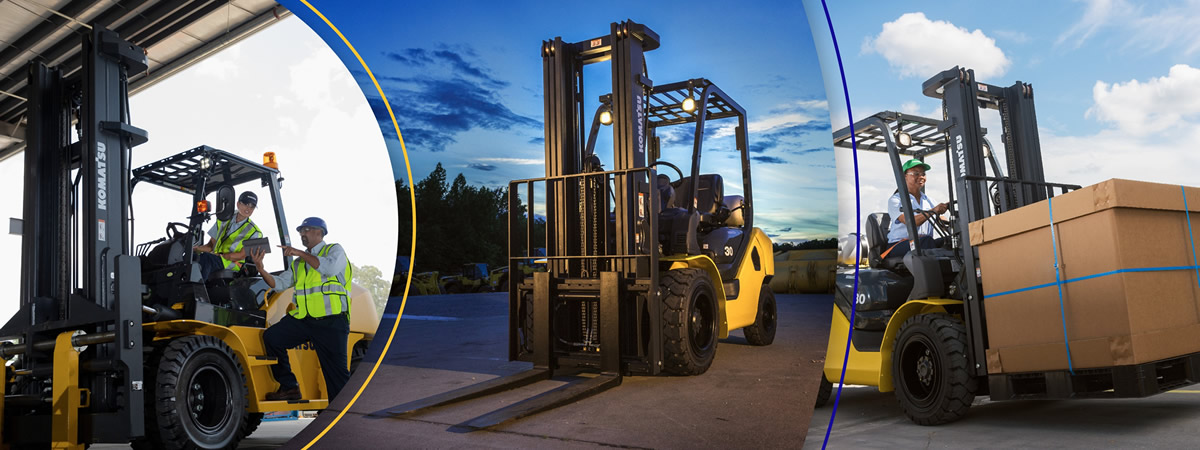
three part picture of forklifts

How to Choose the Best Electric Forklift Rental?

Choosing an Electric Forklift Rental starts with the work, not the price tag. A machine that looks suitable on a quote may struggle in a narrow aisle or run short during a long shift. Before comparing providers, note the heaviest load, lift height, aisle width, floor condition, and expected daily hours. Small details matter. A damp loading bay, a tight turning point, or a bulky attachment can change which truck fits.

Ask the rental provider to confirm the forklift’s rated capacity at your required lift height and with any planned attachment installed. Check battery type, charging time, charger availability, tire condition, and what maintenance support is included. For a multi-shift operation, ask how battery changes or charging downtime will affect the schedule. Delivery timing and operator familiarization also deserve attention; they are easy to leave until the last minute. A low daily rate can be appealing, but compare it with transport, service, and any stated usage limits. Read the rental terms carefully, and request written answers when a specification is unclear.

A practical choice should match real site conditions, not an idealized checklist. If possible, walk the provider through the route and the loads the truck will handle. One imperfect assumption can cause delays. Even experienced teams sometimes overlook floor transitions or charging access, so review the plan with the people who will use the equipment. The right rental is the one that performs safely and reliably throughout the job, with clear support when conditions change.
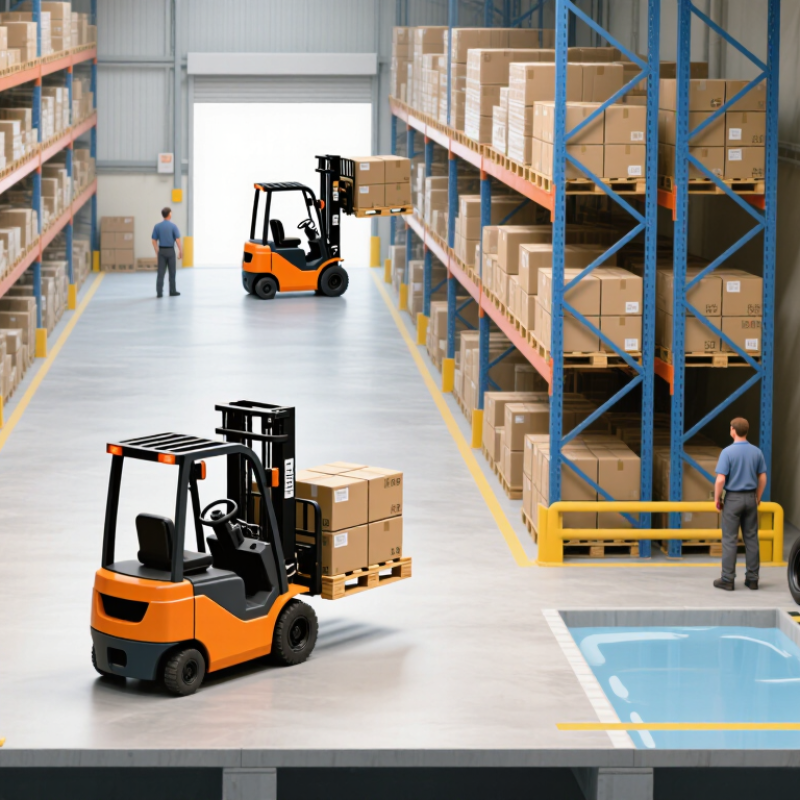
How to Choose the Best Electric Forklift Rental?

Define Your Load, Lift Height, and Worksite Requirements

How to Choose the Best Electric Forklift Rental?

Define Your Load, Lift Height, and Worksite Requirements

Start with the heaviest load you expect to move, not the average one. Include pallets, packaging, and any attachments in your estimate. Check the load’s dimensions, too: a wide or uneven pallet can affect stability even when its weight seems manageable. Leave a sensible capacity margin rather than choosing a truck that only meets the minimum on paper. Small details matter.

Measure the highest shelf or loading point, then confirm the forklift’s rated capacity at that lift height. Capacity can decrease as the load is raised or moved farther from the mast. Ask the rental provider for the relevant load chart, and compare it with your actual load dimensions. A quick glance at the maximum lift height is not enough.

Walk the worksite before selecting a model. Note aisle widths, floor conditions, ramps, doorways, and ceiling clearance. Electric forklifts are often suited to indoor work, but battery runtime and charging access still shape a shift. Tell the provider how many hours the truck will run and where it can be charged. Plans change, and estimates can be off; build in room for a longer shift or a tighter turn than expected.
Match Forklift Type and Capacity to Your Operations

Choosing an electric forklift starts with the route, not the rental listing. For tight indoor aisles, a three-wheel model can turn more easily; a four-wheel truck may feel steadier on longer runs or uneven floors. Reach trucks suit high racking, but need aisle clearance and a smooth surface. Measure doorways, rack openings, and turning space before arranging delivery. Small details matter.

Capacity needs more than a pallet’s listed weight. Check the load’s full weight, dimensions, and center of gravity, then compare them with the truck’s capacity chart at your required lift height. A long load or attachment can reduce safe capacity. Ask the rental provider to confirm the configuration in writing. Leave a sensible margin rather than choosing a truck that only works on paper.

Think through a typical shift. Will the forklift climb ramps, cross floor joints, or work near pedestrians? What charging access is available during breaks? Battery runtime varies with load, travel distance, and lift frequency, so a quoted shift time may not match your site. A short trial on the actual route can reveal awkward turns or poor visibility. A spreadsheet can miss those. And sometimes the first capacity estimate is wrong; revise it when real load measurements become available.

Compare Rental Terms, Battery Options, and Total Costs

Choosing an electric forklift rental starts with matching the agreement to the work, not just comparing the daily rate. Check the minimum rental period, delivery and collection charges, maintenance coverage, and fees for late returns. Ask how quickly a replacement truck can arrive if the rented unit fails. A cheap rate can become expensive when a busy loading bay sits idle.

Battery choice affects both operating routines and total cost. Lead-acid batteries often need a designated charging area and time to cool before charging. Lithium-ion batteries may support opportunity charging during breaks, but the truck and charger must be compatible. Check whether the rental includes the charger, cables, and battery servicing. Small details matter. On a two-shift site, limited charging access can disrupt work.

Estimate costs across the full rental period, including energy use, operator training, delivery, and possible damage charges. Compare the quoted package with your expected hours and load weights; a truck rated for light pallets may struggle with heavier goods. Ask whether maintenance visits are scheduled or only provided after a fault is reported. Terms can look clear on paper, yet unusual shift patterns may expose gaps, so have the supplier price your actual schedule in writing.

Check Equipment Condition, Safety Features, and Compliance

How to Choose the Best Electric Forklift Rental?

A rental can look clean and still have problems that affect daily work. Check the forks for cracks, bends, or uneven wear, and raise the mast to listen for grinding or jerky movement. Look closely. Inspect tires for chunks or flat spots, and check beneath the truck for fresh hydraulic leaks. Ask when the battery was last tested and how long a typical charge lasts. Test it unloaded. Confirm that the brakes, steering, horn, lights, backup alarm, and seat belt work before the forklift enters a busy aisle.

Safety features matter only when they suit the job. Check the capacity plate and compare its rated load with your heaviest pallet, including attachments. Make sure the operator can see clearly from the seat and that controls are labeled and responsive. A short operating check on a level, clear area can reveal issues a quick visual inspection misses. No checklist catches everything. If a control feels inconsistent, pause and ask the rental provider to inspect it; don’t assume it will improve during a shift.

Review the paperwork as carefully as the machine. Request maintenance and inspection records, operating instructions, and details of any known faults. Confirm that the unit’s configuration and safety equipment match your site procedures and applicable local requirements. Compliance rules can vary by location and workplace, so verify them with the relevant safety contact. One awkward detail: delivery pressure can make a small defect seem easy to overlook. Record concerns, including a weak alarm or damaged fork tip, before accepting the rental.

How to Choose the Best Electric Forklift Rental

Check the equipment condition, safety features, and compliance before accepting a rental.

Each bar marks a compliance check to verify under applicable OSHA powered industrial truck requirements. Confirm that the truck has a readable capacity marking, is inspected at the required interval, and is removed from service if unsafe. Also verify operator training and designated battery-charging areas. Inspect the rental for damage and confirm safety features are suitable for the truck and job.

Choose a Rental Provider and Arrange Delivery and Training

Ask the rental provider to match the forklift to your actual work: load weight, lift height, aisle width, floor condition, and daily operating hours. Share measurements, not guesses. A machine that fits the load may still struggle with a tight turning area. Confirm the quoted rate includes delivery, collection, battery charging equipment, and any weekend service. Get the delivery window in writing, and keep the route clear of pallets and low doorways. Small details matter.

Before signing, check who will train operators and what the training covers. OSHA’s Powered Industrial Trucks guidance reports an estimated 85 forklift-related deaths and 34,900 serious injuries each year in the United States; its guidance also identifies overturns as a major fatal hazard. Ask for practical instruction on the specific truck, including controls, load handling, parking, and pre-use checks. Verify that operators’ training and evaluation records are available. A certificate alone may not show that someone can handle your site’s ramps or uneven floor. Still, even a careful handover can miss something; walk the route with the provider before the first shift and raise any concern.