Why Is Regular Forklift Service Important? - Key Components Checked During Routine Maintenance
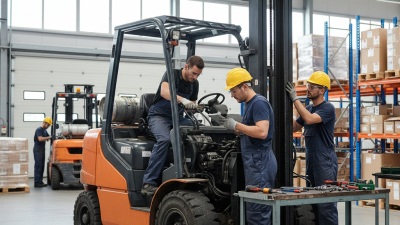
Routine service helps identify wear, leaks, and safety issues before they cause breakdowns or unsafe operation. Inspection intervals vary by truck type, operating conditions, and service history; follow the manufacturer’s manual and applicable workplace requirements. Operators should complete a pre-use inspection before each shift.
| Component or System | Typical Maintenance Checks | Why It Matters | Typical Timing |
|---|---|---|---|
| Brakes | Check pedal response, parking brake operation, brake fluid where applicable, and signs of leaks or excessive wear. | Reliable braking helps the operator stop and secure the truck safely, especially when carrying a load. | Pre-use checks; detailed inspection at scheduled service. |
| Steering and controls | Check steering response, control operation, unusual resistance, and loose or damaged components. | Proper steering and responsive controls support accurate maneuvering and reduce the risk of losing control. | Pre-use checks; service intervals set by the maintenance schedule. |
| Mast, forks, and lift chains | Look for cracks, bends, excessive wear, damaged fork heels, chain damage, and abnormal movement. Check lubrication and adjustment as specified. | These parts support and raise loads. Damage or uneven wear can affect load stability and lifting performance. | Visual checks before use; close inspection during scheduled maintenance. |
| Hydraulic system | Inspect hoses, fittings, cylinders, and connections for leaks or damage; check hydraulic fluid level and lift or tilt operation. | Hydraulic faults can reduce lifting capability and may cause unintended movement or fluid leaks. | Check for visible leaks before use; verify fluid and system condition at scheduled service. |
| Tires and wheels | Check tire condition, inflation on pneumatic tires, wheel fasteners, and signs of cuts, chunking, or uneven wear. | Tire condition affects traction, stability, ride quality, and the truck’s ability to carry loads as intended. | Visual checks before use; pressure and wear checks as required by tire type and service schedule. |
| Power source and electrical system | For battery trucks, inspect battery condition, cables, connectors, and charging equipment. For internal-combustion trucks, check the engine, belts, and fuel-system components as specified. | Good electrical connections and a well-maintained power source support dependable starting and operation. | Check for visible damage before use; service according to truck type and manufacturer guidance. |
| Fluids, filters, and cooling | Check applicable engine oil, coolant, transmission fluid, and filters; look for contamination, low levels, or leaks. | Correct fluid levels and clean filters help limit overheating and premature wear of mechanical systems. | Check levels as directed in the operator’s manual; replace fluids and filters at scheduled intervals. |
| Safety equipment | Test the horn, lights, alarms, seat belt, and other fitted safety devices; inspect the overhead guard for visible damage. | Functional safety equipment improves visibility and alerts people nearby to the truck’s movement. | Test before use; repair faults promptly and include in routine service. |
| Frame, fasteners, and general condition | Look for cracks, loose hardware, damaged covers, and signs of impact or abnormal vibration. | Early identification of structural or fastening issues can prevent worsening damage and unplanned downtime. | Walk-around check before use; thorough inspection during scheduled service. |