three part picture of forklifts

7 Pallet Jacks Buying Tips for Global Buyers

Buying Pallet Jacks for international operations involves more than comparing prices. A warehouse in Rotterdam may need a corrosion-resistant model, while a food distributor in Singapore may prioritize stainless steel and easy cleaning. Load weight, fork dimensions, steering effort, wheel material, and service access all affect daily performance. A small mismatch can create delays, damaged pallets, or unnecessary operator fatigue.

Material-handling consultant Mike O’Brien offers a useful reminder: “A pallet jack should fit the work, not merely the budget.” That principle guides these seven buying tips for global buyers. The right choice begins with the actual pallet sizes, floor conditions, travel distances, and lifting frequency. It also requires careful attention to manual and electric designs. Electric Pallet Jacks can reduce physical strain, but batteries, chargers, spare parts, and technician support need planning.

Look beyond the product brochure. Ask how the jack performs on uneven concrete, inside refrigerated rooms, or beside narrow loading docks. Check rated capacity, turning radius, ground clearance, warranty terms, and replacement-part availability. Confirm the supplier can provide clear manuals and responsive technical support in your region.

Some buyers focus too heavily on the initial quotation. That can be a costly shortcut. A cheaper jack may need more repairs, longer charging downtime, or earlier replacement. Even experienced purchasing teams can overlook local service limitations. These tips are designed to make the decision more practical, measurable, and reliable, while acknowledging that no single Pallet Jacks model suits every global warehouse.
7 Pallet Jacks Buying Tips for Global Buyers

Define the Pallet Jack Type and Capacity You Need

Selecting a pallet jack starts with the load, not the lowest quotation.

Manual models suit short moves and occasional use. Electric walkie models reduce pushing effort during repeated transfers.

Rider units fit longer travel distances and heavier daily workloads.

MHI’s 2024 Annual Industry Report reported that 83% of respondents viewed supply chain innovation as important to future success. That pressure should not encourage careless capacity choices.

Check the heaviest pallet, load-center distance, fork length, aisle width, floor condition, and ramp gradient. A 2,500-kilogram rating may not apply at every load center. Capacity labels must be read with the supplier’s load chart.

OSHA 1910.178 also requires appropriate operator training for powered industrial trucks. Some buyers overlook this when purchasing compact electric equipment.

Tips:

Record the heaviest real load, not the average. Add a practical safety margin, but avoid excessive capacity, which can increase size, cost, and turning difficulty. Measure pallet openings before selecting fork dimensions.

Confirm battery runtime against daily travel and charging access. In warehouse assessments, narrow aisles often change the decision more than headline capacity. This is where buyers sometimes misjudge.

Test the jack with a loaded pallet on the actual floor. A smooth showroom surface can hide vibration, slope, or poor traction.

Review service access, emergency controls, and documented inspection procedures before approval.
Evaluate Fork Dimensions, Materials, and Build Quality

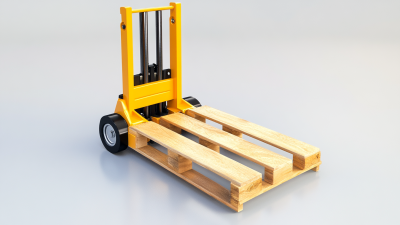
When global buyers assess pallet jacks, fork dimensions deserve more attention than a listed load capacity. Measure fork length, outside width, and the distance between forks. These numbers must match the pallet openings used in your facility. A fork that is too long may strike the pallet frame. A narrow fork may feel unstable under uneven loads. Measure twice.

Material selection affects daily performance. Reinforced steel forks usually tolerate impacts, rough floors, and repeated loading better than lighter constructions. However, thicker material can increase the jack’s weight and reduce handling comfort.

Weld quality also matters. Look for even weld beads, clean joints, and no visible cracks around the fork heels. Small defects grow under repeated stress.

Build quality should be checked through practical details, not appearance alone. Inspect the hydraulic pump, lowering control, wheels, handle connection, and protective coatings. Roll the jack across a hard surface and listen for unusual noise. Ask for load-testing records and dimensional drawings, but verify them against a physical sample when possible. Documents can be incomplete. I have seen measurements listed correctly while the actual fork spacing differed slightly. That small error caused delays at receiving docks. Consider pallet variation, floor conditions, replacement parts, and operator strength before choosing the final specification.

Compare Maneuverability, Safety Features, and Ergonomics

When evaluating pallet jacks, test maneuverability with a loaded pallet, not an empty frame. Check turning radius, handle response, and wheel tracking in narrow aisles. Small steering wheels may struggle on cracked concrete or dock plates. Larger, resilient wheels usually roll more smoothly, but they can increase turning effort. Measure the fork length against your pallet sizes. An awkward fit can shift the load and reduce control.

Safety details deserve close inspection. Look for reliable braking, controlled lowering, and a handle that keeps hands clear of pinch points. Some models include an emergency reverse button, which can help when operators work near racking. Confirm the rated capacity and load center from technical documents. Do not rely on attractive numbers alone. I have seen buyers overlook uneven floors and select equipment that performed poorly after installation.

Ergonomics affects every trip across the warehouse. The handle should suit different operator heights, with a comfortable grip and manageable steering force. Pumping should feel smooth, without sudden resistance or excessive wrist movement. Consider noise, vibration, and service access during daily use. Ask operators to test the jack for several minutes, then observe their posture and turning technique. Their feedback may challenge the original specification. No checklist is perfect. A short trial can reveal more than a polished product sheet.

Check Compliance, Maintenance, Warranty, and Spare Parts

7 Pallet Jacks Buying Tips for Global Buyers

Check the paperwork before comparing prices. A pallet jack should match the safety, lifting, labeling, and electrical requirements of its destination market. Ask for test records, user instructions, load charts, and material details in the required language. Confirm that the rated capacity reflects real warehouse conditions, not only laboratory testing. Uneven floors, narrow aisles, and frequent loading can reduce practical performance.

Maintenance planning should begin before shipment. Request a service schedule covering wheels, steering joints, hydraulic seals, handles, and brakes. Keep inspection points clear. Ask whether technicians can replace common parts without special tools. Spare parts availability matters more than a low purchase price. Confirm part numbers, stock locations, lead times, and shipping arrangements. A damaged wheel can stop a busy loading area for days. That cost is easy to underestimate.

Read the warranty line by line. Check its duration, coverage, exclusions, labor terms, and claim procedure. Clarify whether transport damage, consumable components, and improper storage are excluded. Written response times are useful, although they may not reflect every regional delay. A practical buyer also requests a sample maintenance record and installation guidance. Paperwork can look complete yet remain vague. Leave room for questions, especially when local service capacity is limited.

Assess Suppliers, Total Costs, and International Shipping Terms

Global pallet jack buying requires more than comparing unit prices. Supplier capability matters when a 2.5-ton jack arrives with damaged wheels or missing documents. The World Bank’s 2023 Logistics Performance Index collected responses from 4,090 logistics professionals across 139 economies. Its findings highlight reliability, shipment tracking, and delivery timeliness as practical trade concerns. Ask suppliers for load-test records, spare-parts availability, export packaging photos, and recent inspection evidence. A factory video is useful, but it is not proof.

Buying tip: Calculate landed cost before negotiating. Include the jack, export packing, inland transport, ocean freight, insurance, duties, port charges, and local delivery. Request quotes using the same Incoterms 2020 rule. A low FOB price can become expensive after destination handling fees. Keep the calculation in a simple spreadsheet. Missed charges are common.

Shipping conditions deserve careful attention. UNCTAD’s Review of Maritime Transport reports that over 80% of world merchandise trade moves by sea. Congestion, container shortages, and schedule changes can therefore affect delivery dates. Confirm the port, shipment window, booking responsibility, and damage-claim process in writing. For small orders, compare consolidated cargo with full-container shipping. Consolidation may reduce freight cost, but handling increases. I have seen buyers overlook battery restrictions and wooden-crate treatment requirements. That mistake can delay clearance. Check the destination country’s rules with a licensed customs professional. Perfect planning is rare. Recheck every assumption.

7 Pallet Jacks Buying Tips for Global Buyers - Assess Suppliers, Total Costs, and International Shipping Terms

No. Buying Tip Key Evaluation Dimensions Typical Reference Data Recommended Buyer Action
1 Verify the Required Load Capacity Rated capacity, load-center position, pallet weight distribution, and operating surface. Common manual pallet-jack capacities are approximately 2,000–2,500 kg (4,409–5,512 lb). Capacity ratings normally depend on a specified load center, often around 600 mm. Select a rated capacity at least 10–20% above the heaviest regular load, while confirming the load center and pallet type in writing.
2 Match Fork Dimensions to the Pallets Fork length, outside fork width, individual fork width, lowered height, and maximum lift height. A widely used configuration is about 1,150 mm fork length and 540–685 mm outside fork width. Many standard manual units lift from roughly 75–85 mm to approximately 190–205 mm. Measure the actual pallet entry openings, rack clearances, truck tailgate height, and turning aisles before ordering.
3 Assess Supplier Quality and Documentation Factory capability, quality-control process, traceability, spare parts, warranty terms, and test records. A credible technical file should identify rated capacity, dimensions, materials, wheel specifications, operating instructions, inspection criteria, and applicable market requirements. Request a pre-production sample or inspection unit, production photos, a component list, serial-number traceability, and a written spare-parts schedule.
4 Choose Wheels for the Operating Environment Wheel material, diameter, noise level, floor protection, chemical exposure, temperature, and rolling resistance. Polyurethane wheels generally offer lower noise and better floor protection on smooth indoor floors; nylon wheels typically roll more easily under heavy loads but can be noisier and harder on uneven floors; rubber provides better cushioning and traction. Specify wheel material and size separately for steering and load wheels, and test the jack on the roughest floor used at the destination site.
5 Calculate the Total Landed Cost Product price, export packing, inland transport, freight, insurance, duties, import VAT or GST, customs fees, inspection, and destination delivery. The landed-cost formula is: Product + Origin Charges + International Freight + Insurance + Duty + Tax + Destination Charges. Duty and tax depend on the importing country, customs classification, and declared customs value. Compare suppliers using the same quantity, packaging, currency, delivery point, customs assumptions, and validity period; do not compare unit prices alone.
6 Select Appropriate International Shipping Terms Incoterms® rule, named place, transfer of risk, export clearance, freight responsibility, insurance, and import clearance. EXW usually places most transport responsibility on the buyer; FOB is used for port-to-port sea shipments; CIF includes cost, insurance, and freight to the named destination port; DAP generally includes delivery to the named place but not import clearance, duties, or taxes; DDP may include import clearance and duties when legally and operationally available. Write the exact Incoterms® rule, named location, shipping mode, and cost responsibilities into the purchase contract. Confirm the rule version and verify that the seller can legally perform import obligations.
7 Control Pre-Shipment Inspection and Import Compliance Quantity, dimensions, load test, brake or neutral function, hydraulic leakage, packaging, labels, manuals, certificates, and customs documents. Core shipping documents commonly include a commercial invoice, packing list, transport document, and any required certificate of origin or conformity documentation. Wooden packaging may require treatment and marking under applicable international plant-health rules. Approve a written inspection checklist before production, inspect a representative sample before shipment, photograph packed goods, and confirm local safety, labeling, tax, and customs requirements.

Note: Reference specifications are typical market ranges rather than universal requirements. Confirm final dimensions, capacity, certification, freight rates, customs classification, duties, taxes, and Incoterms® responsibilities for the specific destination and order.