Why Choose Electric Forklift Rental?
Choosing an Electric Forklift Rental can help a business handle changing workloads without purchasing equipment it may not need year-round. Electric models are often suited to indoor environments, where reduced exhaust emissions and quieter operation can matter. But the right choice depends on the job, not just the power source. A warehouse with narrow aisles has different needs from a loading area with uneven outdoor surfaces.
Before requesting a quote, note the maximum load, lift height, aisle width, and hours of daily use. Check the truck’s capacity plate and compare its rating with your heaviest loads. Ask about battery runtime, charging access, delivery, maintenance, and what happens if the unit needs service. Details matter. A forklift that looks suitable on paper may not fit through a tight doorway or complete a full shift without charging.
Rental terms also deserve a close read. Confirm the rental period, included support, and any fees for transport or damage. If possible, arrange a site assessment or equipment demonstration before delivery. That sounds simple. It isn’t always. A rental is not automatically cheaper, and electric equipment still requires a practical charging plan. Yet, with clear requirements and a reliable supplier, businesses can match equipment to demand, test a model before buying, and avoid committing capital too early. The best decision leaves room to reconsider when the workload changes.
What Electric Forklift Rental Means
Electric forklift rental means paying for temporary access to a truck rather than buying and owning it. The agreement may cover a short peak season, a warehouse move, or a longer period while demand remains uncertain. The details vary: some quotes include delivery, maintenance, a battery, and a charger; others list these separately. Check the contract.
The Industrial Truck Association classifies electric trucks into rider, narrow-aisle, and hand-truck categories. Each fits different work, from moving pallets across a loading bay to handling stock in tight aisles. A small detail matters: a truck’s rated capacity can change with its load height and attachments, so match the model to actual tasks.
OSHA’s forklift safety eTool cites estimates of 85 work-related deaths and 34,900 serious injuries annually in the United States. Those figures are not rental-specific, but they make operator familiarization and service responsibility worth clarifying.
Ask who checks the battery, charger, and tires. Rental can reduce upfront commitment, but it is not automatically cheaper; usage hours and charging needs can upset a tidy estimate.
How the Rental Process Works
Why Choose Electric Forklift Rental?
How the Rental Process Works
The rental process starts with a clear picture of the work. Note the heaviest load, its dimensions, required lift height, aisle width, and floor condition. A pallet that looks manageable can feel very different on a narrow ramp. Include daily operating hours and access to charging. Small details matter.
Share these details with the rental provider and ask which machine suits the site. Compare the quoted rental period, delivery arrangements, included maintenance, and procedures for reporting faults. Confirm who will unload the forklift and where it can be parked. Get the key terms in writing. No guesswork.
Before signing, check that the agreed machine can reach the required height and handle the planned load. A rushed estimate can miss an awkward turning point or a shift change. That happens. At delivery, inspect the forks, tires, controls, and battery area, then report visible damage. Make sure operators receive suitable instruction before use. During the rental, follow the supplied charging and care guidance, and contact the provider if performance changes. Before collection, agree on the return time and clear access to the pickup point. A little planning helps avoid delays, though site conditions can still surprise you.
Key Benefits for Warehouse Operations
Why Choose Electric Forklift Rental?
Key Benefits for Warehouse Operations
Electric forklift rental can help warehouses match equipment to changing workloads without committing to a permanent fleet. A seasonal increase in pallet volume may call for an extra truck for several weeks, while a new shift pattern could require a longer rental. This flexibility can reduce idle equipment and make costs easier to plan. Check the rental terms, service coverage, and battery arrangements before choosing a truck.
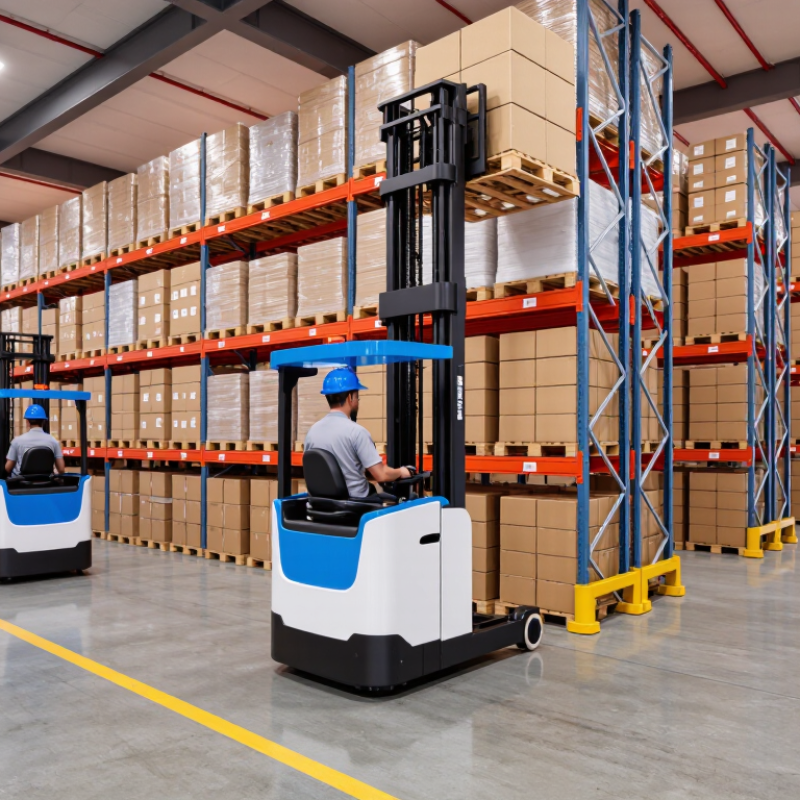
Inside a warehouse, electric forklifts operate with no tailpipe exhaust and often produce less noise than combustion-powered models. That can make busy aisles more comfortable for operators and nearby staff. It matters. Electric models also suit many indoor tasks, from moving palletized stock near loading areas to replenishing high shelving.
Match lift capacity, turning radius, and mast height to the actual layout; a tight aisle can expose a poor fit quickly. Charging needs attention, too. Map charging breaks against shift schedules, and confirm that the site has suitable charging access.
Rental does not solve every problem, and operators may need time to adjust to a different control layout. A short trial can reveal issues before the equipment becomes part of daily routines.
Costs and Equipment Selection Factors
Electric forklift rental costs depend on more than the daily rate. Compare the full quote: delivery, battery and charger, attachments, planned hours, and overtime fees. A low rate can lose its appeal when a second battery or special fork carriage is needed. Small details matter. Ask whether the rental includes charging equipment and who handles battery checks during the shift.
Match the truck to the actual load, not just its stated weight. Check load center, lift height, aisle width, floor condition, ramp grade, and operating hours. OSHA’s powered industrial truck standard requires capacity information on the truck nameplate; confirm that the rated capacity suits your load and configuration. For energy context, the U.S. Department of Energy’s Alternative Fuels Data Center reports that electric vehicles convert about 77% of grid energy into power at the wheels, compared with roughly 12–30% for conventional gasoline vehicles. That is a road-vehicle benchmark, not a forklift savings guarantee. Not always. Cold rooms, long shifts, and limited charging access can change the economics. A neat spreadsheet can still mislead; compare rental terms against your real shift pattern and site conditions.
Why Choose Electric Forklift Rental? Costs and Equipment Selection Factors
Renting can help avoid a large upfront purchase and match equipment to short-term demand. These indicative U.S. planning ranges are for standard electric counterbalance forklifts on a monthly rental; actual rates vary by location, rental term, lift height, battery and charger, delivery, and maintenance. Choose capacity and lift height for the load and rack requirements, and check aisle width, operating hours, and charging access before renting. Figures are estimates, not quotes.
Common Uses and Practical Limitations
Why Choose Electric Forklift Rental? Common Uses and Practical Limitations
Electric forklift rentals suit indoor warehouses, food distribution spaces, and retail backrooms where exhaust and noise matter. They handle pallet moves, narrow aisles, and steady loading tasks well. MHI’s 2024 Annual Industry Report found that 55% of surveyed supply-chain professionals expected to increase technology investment. That broader trend supports testing equipment before committing, though it does not prove every site needs electric trucks. A short rental can reveal whether the truck’s lift height, turning radius, and battery life match a real shift.
There are limits.
Cold storage, rough outdoor yards, steep ramps, and continuous multi-shift work can reduce useful runtime or require specialized equipment. Charging also needs planning: OSHA’s powered-industrial-truck standard requires designated battery-charging areas and suitable safeguards. Check charger access, charging time, and spare-battery arrangements before delivery. The quiet operation can hide warning sounds, too; staff still need clear traffic rules and daily checks. Small detail, big consequence. Electricity has no tailpipe emissions at the point of use, but charging does not make a truck impact-free. Rental costs may also rise when usage is unpredictable or equipment must stay onsite between shifts. A trial period helps, but one unusually light week can give a misleading result.